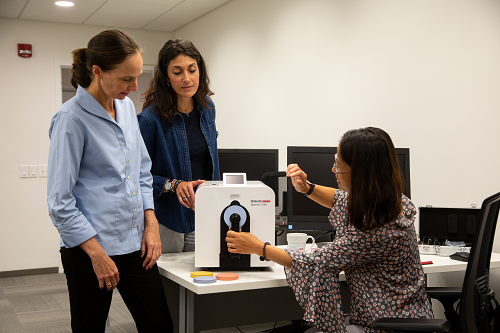
Datacolor’s in-person, hands-on introduction to color science and technology combines essential color theory with real-world application. This course provides participants with a strong foundation in the principles of color and practical strategies for managing color effectively across products and processes.
Participants build confidence in understanding the language of color technology, making informed color decisions, and communicating color accurately. Through practical examples and interactive discussion, attendees learn how to avoid common color pitfalls and apply proven techniques that can be used immediately to improve color outcomes.
Who Should Attend
This course is designed for anyone involved in the color supply or decision chain, including professionals who rely on digital color technology as well as those who work primarily with visual color evaluation. It is ideal for beginners as well as experienced professionals seeking a stronger foundation in color science.
Learning Outcomes
Participants will learn to:
• Understand the foundations of color science
• Work with color coordinates and color differences
• Apply color tolerances (CIELAB, CMC, CIE2000)
• Understand measurement technology and geometry (D/8, 45/0, etc.)
• Recognize and avoid common color mistakes
• Compare different surfaces, textures, and materials effectively
• Create color descriptions that achieve the intended result
• Design color for improved manufacturability
• Understand visual versus instrumental agreement (and when differences may be acceptable)
• Interpret common colorimetric acronyms (what to use and what to avoid)
• Compare raw material strength appropriately (and when not to)
• Create digital standards that perform reliably
• Understand metamerism: what it is, what it is not, and when it can be beneficial
Course Outline
Foundations of Color Science
• Basic principles of light, color, and perception
• How humans see color and why perception varies
• The relationship between physical color and visual appearance
Color Coordinates and Color Differences
• Understanding color spaces and color coordinates
• How color differences are calculated and interpreted
• Practical use of Delta E in color evaluation
Color Tolerances
• Overview of tolerance systems (CIELAB, CMC, CIE2000)
• Strengths and limitations of each method
• Selecting the right tolerance for your application
Measurement Technology
• How spectrophotometers measure color
• Measurement geometries (D/8, 45/0, etc.) and their impact
• Instrument agreement and measurement best practices
Managing Color in Real-World Applications
• Recognizing and avoiding common color mistakes
• Comparing surfaces, textures, and materials
• Writing effective color descriptions
• Designing color for manufacturability
• Visual versus instrumental evaluation: alignment and exceptions
Advanced Practical Concepts
• Understanding and using common colorimetric acronyms
• Comparing raw material strength (and when not to)
• Building digital standards that perform reliably
• Understanding metamerism and how to manage it strategically
Recommended Additional Course
Hands-On: Datacolor Match Pigment + Tools
Course Logistics
• Doors open: 8:15 a.m.
• Courses begin: 8:45 a.m.
• Coffee, beverages, snacks, and lunch are included