Connected Color Intelligence FAQ – Elementor

Connected Color Intelligence

Connected Color Intelligence FAQ

Clear up your key questions about how automation and connectivity can help you create an autonomous, efficient textile color lab.

1. Market Pressures and Skills Gap

Why demands for speed, consistency and traceability are rising just as experienced colorists become harder to find.

What is the “human factor” in textile color management?

The human factor is the dependence of color work on specific people, their knowledge and their manual effort. Most labs already have spectrophotometers, formulation software and dispensing systems, and a line heard in almost every lab, anywhere in the world, is “we have the tools, they just don’t talk to each other.” Three forces make this urgent today: brands want shorter development cycles with less room for trial and error, experienced colorists are becoming scarce, and consumers and brands care more about how and where fabric is dyed, which demands more traceability and documentation. Together they ask labs for more speed, consistency and traceability, right as the expertise to deliver all three is shrinking.

Why is the shortage of experienced colorists so significant?

It is a demographic fact rather than a passing trend: senior colorists are retiring or moving on, and the pipeline of new talent is not keeping up. Labs need more consistent results with less specialized oversight to guarantee them. The shortage also quietly touches every other pressure. Faster timelines are harder to meet with fewer experienced people to lean on, and traceability is harder to deliver when processes depend on manual work and memory, so each pressure hits twice as hard.

What is the knowledge risk when an experienced colorist leaves?

It is the quietest risk and probably the most dangerous. When the know-how to solve a color problem lives in one person’s head, it leaves with that person, and it will not show up on a spreadsheet even though it is a real risk to the business. Common warning signs include the same color coming out differently depending on who dyed it or which shift was on, know-how held by only two or three people, and a reliance on paper, spreadsheets and tribal knowledge.

How are these pressures playing out in North America and Europe?

In North America, US production grew from about $55 billion in 2020 to about $65 billion in 2025, and Mexico is a large part of that story under the USMCA yarn-forward rule. Neither wins on price; their pitch is speed, with three- to four-week turnarounds versus twelve to twenty weeks from Asia. Europe is arguably feeling it hardest right now: textile and clothing employment fell close to 2% in the first quarter of 2026 alone, and EU imports from Turkey, Europe’s own nearshoring advantage, still fell more than 5% last year as cheaper competitors, and now Egypt, close the gap. Proximity alone is no longer winning.

And in Latin America, Central America and Africa?

Peru and Brazil both lean on quality and trade access rather than price. Peru sends about 60% of its textile exports to the US under a duty-free agreement built on the same yarn-forward logic as Mexico and Central America. Brazil faces a trade deficit driven by a flood of cheap Chinese imports and has responded by investing in automation rather than matching that price. Central America’s whole business model runs on the same yarn-forward logic, and parts of Africa, such as Egypt, are becoming the next nearshoring option for Europe.

If nobody wins on price, what does win?

Nobody, anywhere, is winning by being the cheapest. The producers that win are faster, more consistent and able to prove where things came from, whatever their region. It is the same problem wearing a different local costume. In the webinar poll, attendees chose among faster timelines, the skills gap, sustainability and traceability, proving origin for duty-free access, or all of these equally, and the options are closely linked.

Is the colorist skills gap really something new, or was there already a gap between generations before?

 It’s not new, but it is accelerating. There’s a generational factor at play: spending five or ten years becoming an expert in one discipline isn’t as appealing to younger generations as it used to be, and fewer schools are teaching the fundamentals of color management and textile  the way they once did. It’s not that the training disappeared, it’s that fewer people are choosing to pursue it. Looking ahead, the industry likely needs two parallel and complementary paths: solutions built for color experts to unleash further their expertise, and solutions that empower people without deep color expertise to still make high-quality color decisions.

Is this shortage of expertise happening on both the mill/lab side and the brand side of the colorist industry?

Yes, it’s happening everywhere, but for different reasons depending on the region. In some manufacturing hubs, workers are unwilling to take night shifts for color work, which limits how many shifts a factory can realistically run without automating or operating with a very limited team. On the brand side, especially among more established, traditional brands, the issue is less about shift work and more about career appeal: fewer people want to invest years building deep color expertise. The result is the same everywhere: there are still experts, but fewer of them, and that’s not a trend that looks like it’s reversing on its own.

How connecting formulation, measurement, dispensing and business systems changes speed, cost and delivery.

What are the biggest bottlenecks in a textile lab, and what do they cost?

Most fall into a handful of buckets: slow approval cycles with samples waiting days for a signature, disconnected systems where someone retypes data by hand, inconsistent results that vary by who dyed or which shift was on, too many re-dyes, knowledge walking out with retiring colorists, and a reliance on paper, spreadsheets and tribal knowledge. Almost all of these are human problems dressed up as technical ones: the labs are digital but not connected. The costs show up where nobody measures them. A recipe formulated correctly can be transcribed wrongly into the ERP, so one keystroke makes the batch wrong before it starts. A finished job may never reach the brand’s system, so approval stalls for days. Production may run a correction round only because it lacks the original lab data. Multiplied across thousands of jobs a year, this drags down development time, on-time delivery and margin.

What does a connected lab look like day to day?

Orders come in automatically, with no retyping. Formulation is data-driven, drawing on the lab’s own recipe history rather than on whoever happens to be on shift. Every result is measured and validated by instrument rather than by a trained eye, and the approved recipe flows straight to the dispenser. Managers see all of it in real time without having to ask anyone how it is going.

What is connected color intelligence, and is it a product?

It is a concept and a direction, not a product: the next evolution of digital color management and a direct answer to the human factor problem. It starts inside the lab, where formulation software, spectrophotometers, dispensing equipment and business systems such as ERP and MES work as one flow instead of separate islands. The colorist’s knowledge is captured instead of lost, manual re-entry disappears, data enters once and moves wherever it needs to go, recipes are informed by real formulation history rather than memory, and job management happens in real time.

Which parts of the workflow feel least connected?

The second webinar poll asked attendees to choose among lab formulation to ERP and production systems, lab to brand communication and approvals, recipe history and knowledge capture, the measurement and validation to correction loop, or all of it. The handoff between the lab and the ERP is where errors and delays creep in most often. Lab-to-brand communication is where the industry has the most room to grow over the next few years.

What is Datacolor Textile Lab Manager (TLM), and how does it work?

TLM is where Datacolor has put connected color intelligence into practice inside the lab, with more coming across the rest of the color chain. An order is pulled straight from the ERP with no retyping. The formulation engine proposes a recipe from the lab’s own history, and the colorist reviews, adjusts or overrides it. The recipe goes straight to the dispenser, the sample is measured and validated by spectrophotometer, and if it fails the correction loop starts immediately. Once approved, the recipe flows back to the ERP on its own, with labels and performance data captured along the way. Technicians see their queue and what is next, and managers can prioritize, approve and see workload in real time, which removes the time lost asking what to work on or hunting for information.

What results have labs seen with TLM?

There are two real examples, both in China, where TLM has been live the longest. The pressure behind them is the same one described in section 1, whether a mill feeds the US market from Guatemala or the EU market from Turkey. Lianfa Textile cut its development cycle by 30% and raised on-time completion by 15% by removing steps where data was getting lost or retyped. Yangzi now hits target color in one or two attempts and gets yarn out the door in under a week, with less repeat dyeing, fewer samples shipped back and forth and less customer waiting. To judge your own lab, ask whether you have the tools but not the connection; for more background, see Mathieu Bonenfant’s Datacolor blog article, “Why the Textile Color Lab Needs Its Next Evolution.”

We match sublimation prints to approved dyed fabric standards using a Datacolor P300 and a RIP printer, currently adjusting CMYK manually in Adobe Illustrator and running test prints. Which steps should we standardize and automate first, and what data should we save so different operators can reproduce and approve color with fewer trials?

This is a great example of exactly the kind of disconnected workflow we discussed during the session, color moving from a design file, through a printer, to a measurement device. The honest answer is that the right approach depends on the specific production setup, so this is a good candidate for a closer look from Datacolor’s professional services and application engineering teams. The broader principle holds regardless of the specifics: the workflow should run end-to-end, from design through final quality control, rather than as a series of disconnected manual steps.

We manufacture sports apparel using both dyed fabrics and sublimation printing across multiple factories, and we're trying to match sublimated colors to dyed fabric standards. We measure LAB Delta E with a spectrophotometer, but still manually adjust CMYK values in Illustrator, and each factory uses different printers, RIP software, and color setups. What's the best way to automate or improve this?

Datacolor can support the dyed fabrics processes and measurement of the consistency of the color over multiple substrates/factories/processes. However, Datacolor is not providing color management for sublimation printing. The best approach is probably to contact your press vendor and/or color management software [RIP] vendor to get support on how to best manage the color from file to product.

How can this automation be implemented when there is only one person in the company who understands it at least a little bit?

On the positive side, if only one person understands color management, automating the process will enable to still operate even if that person is out. So it is really worth considering. The problem could be if some updates are required to the automation. And only that person does know. This is why the Textile Lab Manager is not only a solution to enable automation. It also simplifies greatly integration to make sure updates are easy to manage, supporting business continuity. In addition, as discussed, the goal of a platform like Textile Lab Manager isn’t just to automate tasks, it’s to move formulation history and decision-making logic out of one person’s head and into a shared system the whole team can draw on. That way, the expertise doesn’t disappear if that one person is out sick, changes roles, or leaves the company. On the implementation side, our professional services and training team build onboarding support into the rollout so more than one person understands the system from day one, rather than leaving it dependent on a single internal champion.

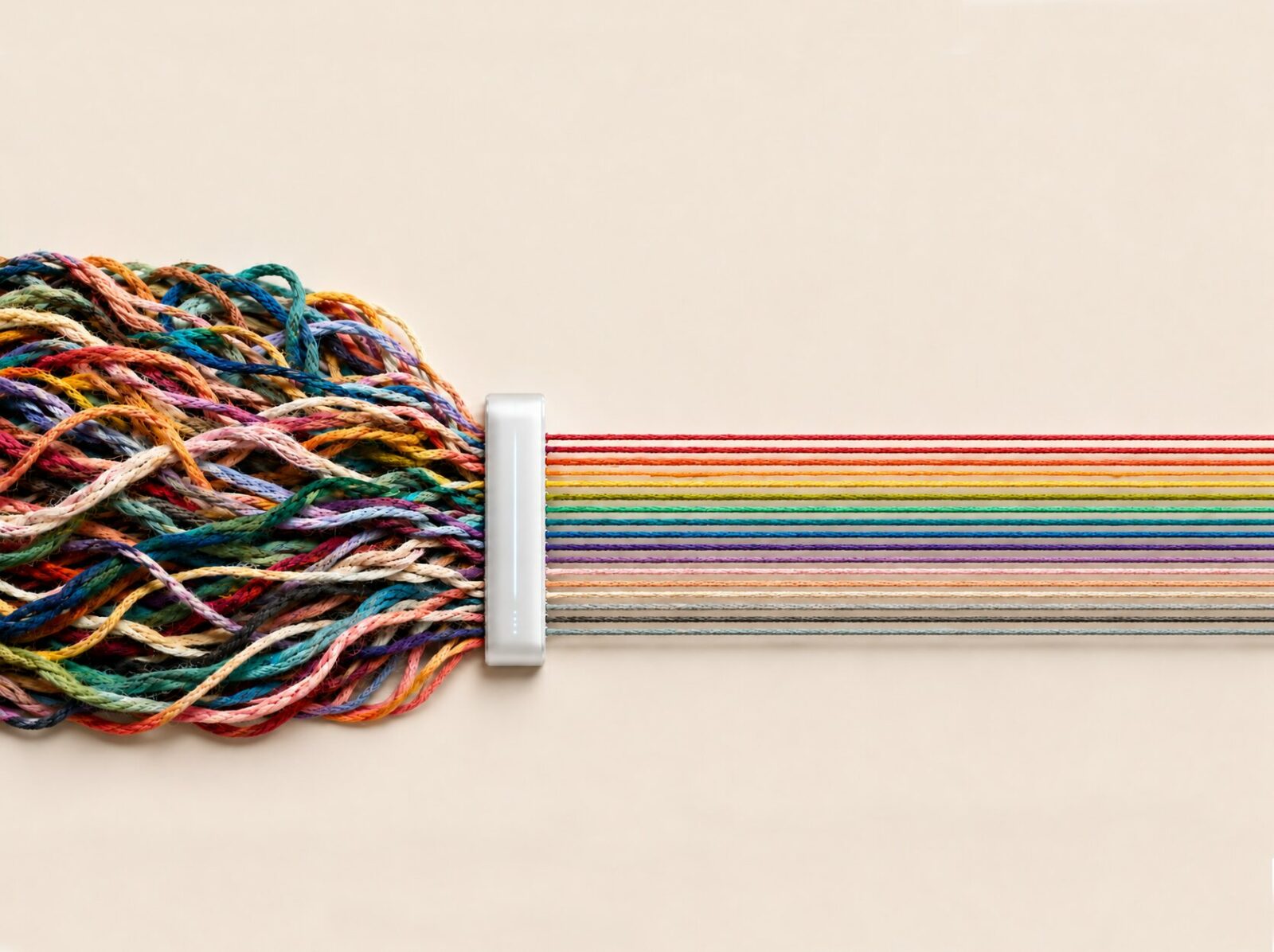
How instruments, formulation software, dispensers and business systems work together on the lab floor.

What equipment does a modern textile lab already have, and where is the gap?

Most labs already run spectrophotometers, formulation software and dispensing systems, and matching color by eye under bad lighting is mostly a thing of the past. The precision built into these tools is not the issue. What is missing is the connection between them, so that data entered once can move to wherever it is needed instead of being retyped between separate islands.

How does instrument-based validation change the lab?

In a connected lab, every result is measured and validated by instrument rather than by a trained eye. That gives the lab an objective basis for approval and removes the dependency on whichever person happens to review a sample. In the TLM workflow, if a sample fails measurement, the correction loop starts immediately. Human judgment still has a role in the final call on how a color will look in real use, as covered in section 4.

How does the approved recipe reach the dispenser, and why does that matter?

In the connected workflow, the recipe goes straight to the dispenser with no transcription in between. This matters because manual transcription is where small errors enter: a recipe formulated correctly can be entered wrongly with a single keystroke, and the batch is wrong before it even starts. Removing the retyping step removes that risk.

How can a lab reduce re-dyes and correction rounds?

Too many re-dyes are one of the most common bottlenecks, and many correction rounds are avoidable. Giving production access to the original lab data, rather than making it rebuild that data from scratch, removes one cause. Formulating from the lab’s own recipe history instead of memory, and validating results by instrument, address others. Fewer correction rounds also mean less water, fewer chemicals and less energy used.

Why is there such a big precision gap between a portable device like the Check 3 and a benchtop instrument like the Spectro 1000 / DC1000? And is there any risk in using a Spectro 1000 every day in relation to light exposure?

On the precision gap: these are two different classes of equipment by design. Benchtop instruments like the DC1000 are built for the highest level of precision, typically for operation in the lab for optimal color measurement. Portable devices trade some of that precision for ruggedness and convenience, so a gap in accuracy between them is expected and normal, not a flaw in either device. On daily use and light exposure: this isn’t a reliability concern. These instruments are built to perform reliably over many years of regular use. One practical note worth underlining, though: sample conditioning matters more than people often realize. Measuring a sample at an inconsistent temperature, for example, can introduce meaningful Delta E variation, so proper humidity and temperature conditioning of the sample is just as important as the instrument itself for getting precise, repeatable results.

Which color mode would you recommend for artwork created in Adobe Illustrator to be printed and pressed on fabric: CMYK, Lab, or sRGB?

For specifying and communicating the target color itself, Lab is the better choice. It’s a device-independent space based on human color perception, so a Lab value (plus a Delta E tolerance) means the same thing regardless of which printer, substrate, or software is reading it, which is exactly why spectrophotometers report in Lab/Delta E rather than CMYK. CMYK and sRGB are both device-dependent: the same CMYK values can produce different results depending on the specific inks, printer, and fabric, and sRGB is calibrated for screens, not dye or ink. In practice: define and approve your target color in Lab, that becomes your shared standard across every factory and operator, then let each specific printer and fabric combination have its own calibrated profile (ICC profiling) that converts that Lab target into the right values for that device. The best is to work with your print/press vendor and/or color management software [RIP] vendor to get their support on how to best manage color from file to press.

Keeping the experienced colorist’s judgment at the center as approvals and communication move from email to connected data.

Does a connected lab mean replacing the colorist?

No. Replacing the colorist was never the idea. The aim is to take the colorist out of repetitive, administrative work, such as retyping data, chasing approvals and memorizing recipes, so they are free for the part only an experienced human does well: judgment, adjustment and decisions in the gray areas. Solving for the human factor means the lab no longer needs the right person available, on the right day, remembering the right thing, just to run.

What is left for the person once the busywork is automated?

The judgment call. An experienced colorist knows that a sample which technically passes still will not look right on the garment, knows when to override a suggested recipe because something about a dye lot is off, and knows how to walk a junior technician through a tricky correction. That took years to build, and no system should touch it. With the repetitive layer off their plate, people spend more of the day making calls and less of it typing, chasing and re-checking, and no longer need to remember by heart which auxiliary worked on which substrate two years ago.

What about colorists who trust their own judgment more than a system?

The workflow is built around that judgment. The formulation engine proposes a recipe from the lab’s own history, and the colorist reviews, adjusts or overrides it. The system informs the decision rather than making it, and the experienced person keeps the final say.

What happens when an experienced colorist retires?

When a colorist’s decisions and formulation history live in a connected system, not only in their head, the pattern recognition stays in the lab. The next hire inherits it from day one, instead of spending years learning beside a mentor who may or may not have time that week. Managers benefit too: rather than firefighting and hoping the right person is on shift, they can see where their team’s real strengths are and actually develop people. The goal is to give colorists leverage and to make sure that what they build does not disappear the day they walk out.

Why is an excellent but disconnected lab not enough anymore?

A recipe that is perfect at lab scale still has to perform at production volume, and that quality has to be visible to the brand that specified the color. Connected color intelligence therefore does not stop at the lab door. Today, much of the lab-to-brand communication runs on email, shared folders and attachments that are outdated the second they are sent, so approvals that should take days take weeks. It is the same human-factor problem, at the scale of the whole chain.

What is coming for the rest of the color chain?

The lab is where Datacolor is starting, with more coming across the rest of the color chain. Lab-to-brand communication is the part of connected color intelligence that reaches furthest past the lab, and it is where the industry has the most room to grow over the next few years. Not everything that is coming has been shared yet.

How can apparel brands improve color consistency across multiple overseas factories, especially when reviewing physical fabric samples and approving colors remotely?

This comes back to the core theme of the session: color consistency, and the ability to delegate color decisions with confidence when production is outsourced. The direction Datacolor is working toward is a single platform that brings together both physical approvals (what you can see and hold) and digital approvals, since the two aren’t opposites, they complement each other. This is part of a broader push to connect not just the lab, but the full supply chain. We’ll be sharing more on this in future sessions.

How can we effectively balance digital color approvals with human visual perception, especially when a color falls within an established Delta E tolerance but still isn't visually acceptable? Are there best practices for setting realistic tolerances or incorporating visual consideration into digital approvals without losing efficiency and consistency?

Digital approval and visual judgment shouldn’t be treated as opposites, both matter, and the goal is to bring them together rather than pick one. The starting point is a solid, well-documented protocol: consistent equipment, a proper light booth, and clearly defined operating procedures for how visual checks are performed, an area where Datacolor’s professional services team can help directly. Beyond process, Datacolor is also working toward bringing physical and digital approval into one system, because there will always be cases where the data says a color is within tolerance, but the human eye says otherwise. In those cases, trust your eye: the end consumer’s experience is a visual one, so that human judgment call should ultimately prevail. As automation and AI take on more of the repetitive work, color still comes down to experience, taste, and judgment, which is exactly why color experts remain essential.

How documentation, proof of origin and efficient workflows connect to sustainability, compliance and the people who work in the lab.

Why is traceability becoming a bigger requirement?

Consumers, and the brands that answer to them, care about how and where fabric is dyed. That pushes the lab toward more traceability, more documentation and more of a paper trail. For labs that still rely on paper, spreadsheets and tribal knowledge, delivering that level of documentation is hard to do at the same time as meeting faster timelines.

Why does proof of origin matter for duty-free access?

Duty-free access now depends on proving where materials actually came from. This sits behind arrangements such as the USMCA yarn-forward rule, the agreement under which Peru sends about 60% of its textile exports to the US, and the model Central America’s business runs on. Many labs are not yet set up to document origin cleanly, which turns lab records into a commercial issue as well as a quality one.

How can a connected workflow support documentation?

In the TLM workflow, orders are pulled straight from the ERP, results are validated by instrument, labels and performance data are captured along the way, and the approved recipe flows back to the ERP on its own. That replaces paper and spreadsheets with data that moves between systems, rather than information that has to be assembled by hand. It also means documentation depends less on any one person remembering to record it.

How does a better workflow reduce a lab’s environmental footprint?

Directly. Every correction round avoided is water not used, chemicals not wasted and energy not burned. Improving the workflow improves the footprint, because the two are the same thing. Fewer re-dyes and fewer samples shipped back and forth, as seen at Yangzi, are practical examples.

How does a connected workflow affect the people working in the lab?

Much of the daily friction in a lab is human: people losing time asking what to work on next, retyping data, chasing approvals and re-checking results, and managers hunting for information that should already be there. A connected workflow gives technicians a clear queue and managers real-time visibility, and it lets experienced colorists spend more of the day on judgment calls. It also keeps the lab running without depending on one specific person being available.

Why is traceability becoming a bigger requirement?

Consumers, and the brands that answer to them, care about how and where fabric is dyed. That pushes the lab toward more traceability, more documentation and more of a paper trail. For labs that still rely on paper, spreadsheets and tribal knowledge, delivering that level of documentation is hard to do at the same time as meeting faster timelines.

More