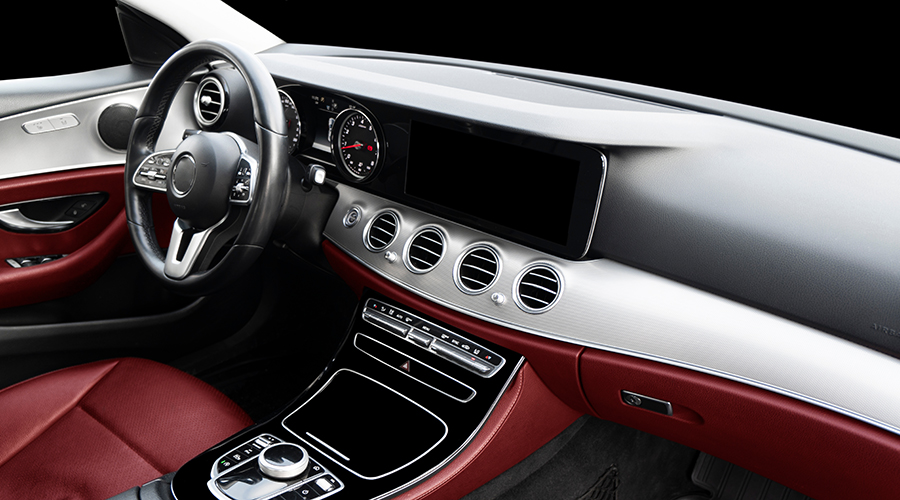
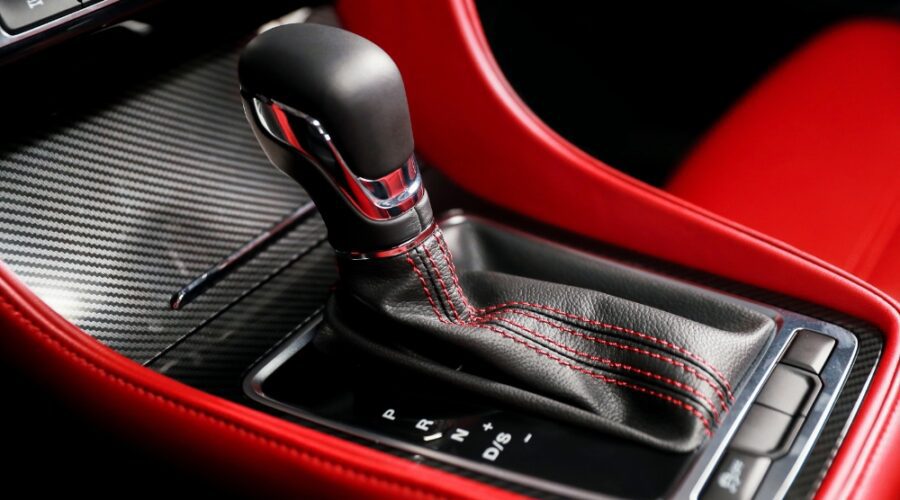
In the automotive world, precision defines perception. A vehicle’s interior must not only function well—it must reflect quality, craftsmanship, and brand identity. One of the most visually critical aspects of this is color harmony. When colors clash across materials like leather, plastics, textiles, and coated metals, the entire interior feels disjointed—even if each component meets its individual spec.
This blog explores the challenges of achieving color consistency in complex automotive supply chains and how digital color management solutions empower manufacturers to get it right the first time.
The Hidden Complexity of Automotive Interiors
Designing a vehicle interior involves coordinating thousands of components across a global supply chain. A single model may have over 30,000 parts from 1,000 suppliers—all working to match fewer than 10 standardized colors. Each material behaves differently with color, especially under varying light conditions and gloss levels.
Without robust color control, even slight deviations can result in mismatched parts that undermine perceived quality. Worse, they can trigger costly production delays and rework.
Why Traditional Methods Fall Short
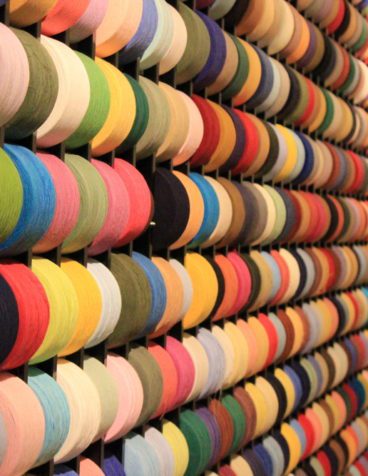
Many manufacturers still rely on visual evaluation using physical samples. While this may work in isolated scenarios, it introduces subjectivity and slows down decision-making.
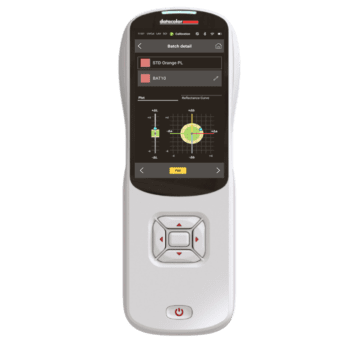
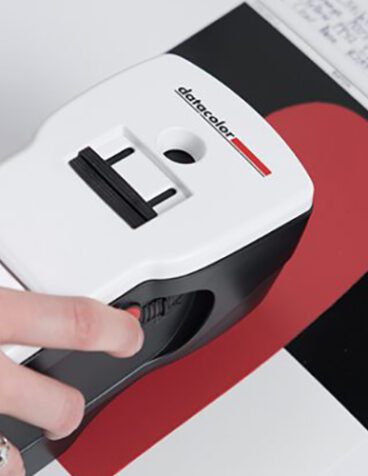
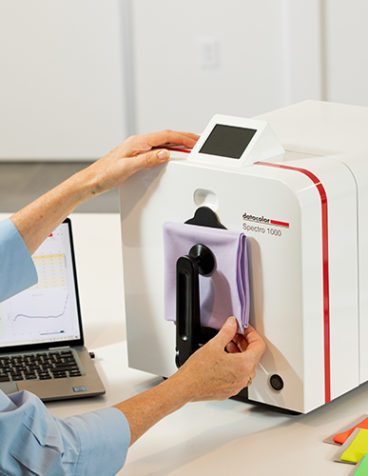
As BMW discovered, shifting to digital color management slashed development time for master samples by 50% and improved consistency across suppliers. Audi, too, uses Datacolor’s handheld devices with gloss and texture analysis to maintain interior harmony across its global supplier base.
Four Pillars of Effective Color Management
To navigate complexity and achieve color precision, automotive OEMs and suppliers need a coordinated strategy:
Achieve Consistency: Digitally measure and control color across all materials to remove subjectivity and ensure visual harmony.
Communicate Effectively: Use cloud-based systems and integrations to share digital color standards quickly—reducing dependency on physical samples.
Shorten Time to Market: Speed up approvals and prevent bottlenecks with fast, accurate quality control checks and real-time collaboration.
Formulate Precisely: Optimize recipes for dyes, pigments, and resins. Be ready to adapt to ingredient shortages or regulatory changes without sacrificing quality.
How Datacolor Supports Automotive Manufacturers
Datacolor provides tools and software that support every stage of automotive interior development:
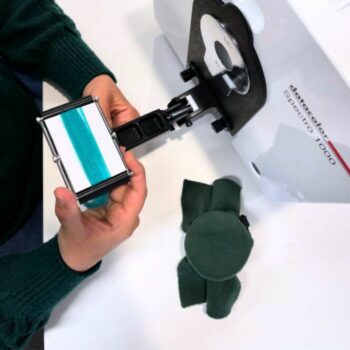
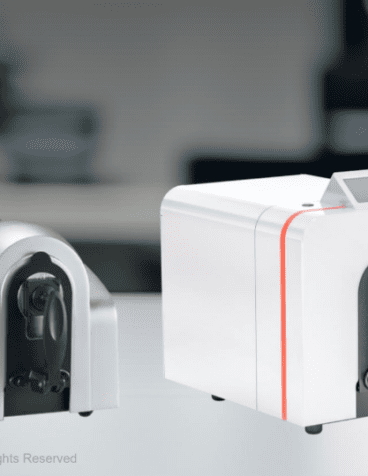
Design: Match interior colors using major color libraries and visualize data with spectrophotometers.
Quality Control: Verify color accuracy on the production floor with handheld measurement tools.
Formulation: Achieve first-shot color matches and reduce waste with recycle-enabled formulation software.
Coordination: Integrate color data into ERP, MES, or LIMS systems to streamline workflows and manage master data.
Case in point: BMW cut development time and cost. Premium car manufacturers ensured visual harmony using gloss-sensitive devices. Explore customer stories.
Advancing Sustainability Through Digital Color Management
Sustainability is no longer optional. Digital color control supports environmental goals by:
Reducing material and dye waste
Minimizing energy and water usage
Eliminating unnecessary physical samples
Supporting regulatory compliance and circular manufacturing
With tools like Datacolor’s formulation and quality control systems, manufacturers can build greener, more resilient supply chains.
Make Color Harmony a Standard, Not a Struggle
Color harmony isn’t just a cosmetic goal—it’s a competitive advantage. With Datacolor’s proven tools and expertise, automotive manufacturers can reduce errors, control costs, and build stunning interiors that align with brand vision and customer expectations.

 Want to Get Color Right?