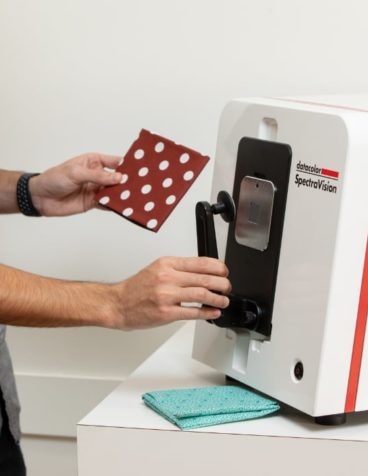
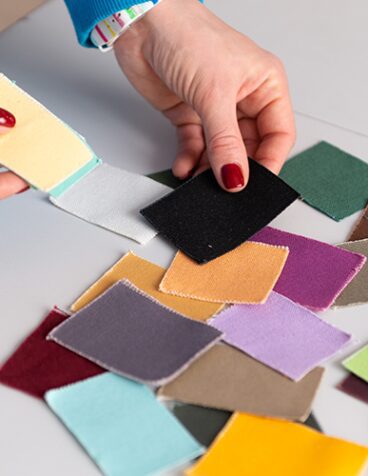
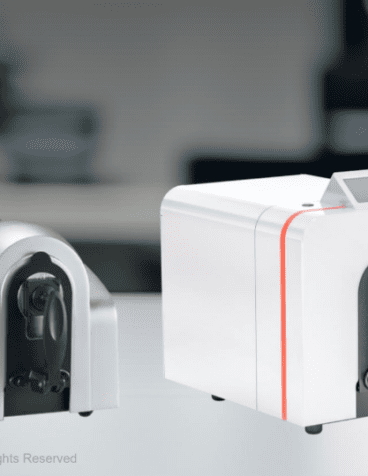
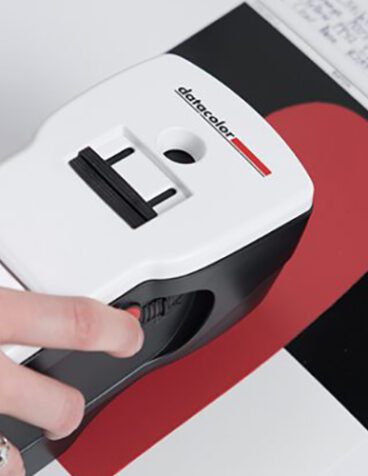
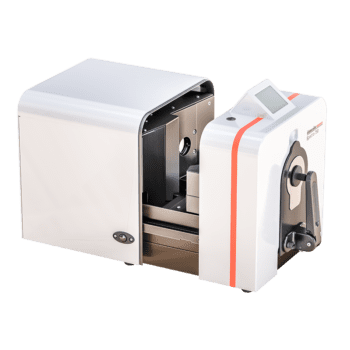
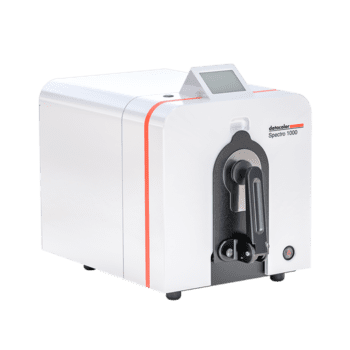
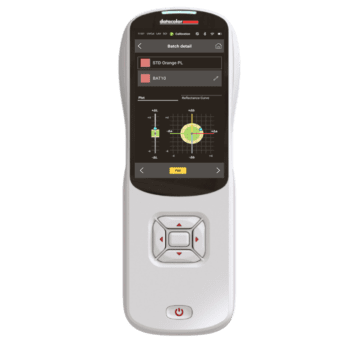
The main types of color measurement instruments are benchtop spectrophotometers, portable spectrophotometers, colorimeters or color lookup devices, and visual evaluation tools such as light booths.
For most industrial color management programs, the key choice is between a benchtop spectrophotometer for lab-based color control and a portable spectrophotometer for measurements in production, at supplier locations or in the field.
Colorimeters can support quick color checks, but spectrophotometers provide the spectral data needed for formulation, quality control, supplier alignment and color approvals.
The right solution depends on your material, tolerances, workflow and where color decisions are made. Equally important are standardized procedures, calibration and consistent color communication across teams and suppliers.
Color Measurement vs. Color Management
Color measurement is the objective measurement of a sample. Color management is the process of using that data to define, communicate, approve and reproduce color consistently.
Measurement instruments generate color data that can be used for:
quality control;
formulation;
color approvals;
supplier communication;
digital color workflows.
Color management connects those measurements to the wider production process, helping organizations maintain color consistency across batches, facilities and suppliers.
Color measurement instruments evaluate the light reflected from or transmitted through a sample and convert it into objective color data.
A spectrophotometer measures color across the visible spectrum and provides data that software can use to calculate color differences, establish tolerances and make pass/fail decisions.
Measurement results are influenced by:
measurement mode, such as reflectance or transmission;
A light booth provides controlled lighting conditions for visual color evaluation.
Light booths are commonly used for:
color approvals;
metamerism checks;
customer sign-off;
texture and gloss assessment;
visual quality control.
While instrumental measurement provides objective data, light booths for visual color evaluation help ensure color is assessed consistently across teams and locations.
Color and Appearance Instruments
Some products require more than color data. Factors such as gloss, texture, transparency, metallic effects and surface structure can influence whether two parts appear to match.
This is common in automotive interiors, plastics, coatings, consumer goods and decorative surfaces. In these applications, color measurement may need to be combined with appearance evaluation to reflect how the product is viewed under real-world conditions.
Reflectance measures light reflected from opaque materials.
Transmission measures light passing through transparent or translucent materials.
Selecting the correct measurement mode is essential for generating meaningful color data.
Aperture, Geometry and Sample Presentation
Aperture size, measurement geometry and sample preparation can significantly influence results. The correct setup depends on the material, texture and application.
Color quality control software for reporting, approvals and supplier communication.
The most effective color management programs combine accurate measurement, standardized procedures and digital color communication across the supply chain.
Need Help Choosing the Right Color Measurement Instrument?
Whether you’re building a new color quality program or upgrading an existing workflow, Datacolor can help you identify the right combination of instruments, software and processes for your application.
Frequently Asked Questions About Color Measurement Instruments
What are the main types of color measurement instruments?
The main types are benchtop spectrophotometers, portable spectrophotometers, colorimeters, color lookup devices and visual evaluation tools such as light booths.
What is the difference between a colorimeter and a spectrophotometer?
A colorimeter measures color using filters, while a spectrophotometer captures detailed spectral data. Spectrophotometers are generally preferred for formulation, quality control and supplier alignment.
When should you use a benchtop spectrophotometer?
Use a benchtop spectrophotometer for lab-based color control, formulation, standard development and applications that require high accuracy and repeatability.
When should you use a portable spectrophotometer?
Portable spectrophotometers are ideal when color measurements need to be performed on the production floor, at supplier sites or on large components that cannot easily be moved.
Is a light booth a color measurement instrument?
No. A light booth is a visual evaluation tool used to assess color under controlled lighting conditions. It complements, but does not replace, instrumental measurement.
What is inter-instrument agreement?
Inter-instrument agreement measures how closely different instruments produce the same result when measuring the same sample. It is essential for multi-site and supplier-based color workflows.
Which instrument is best for transparent or translucent materials?
A spectrophotometer with transmission measurement capability is typically required for transparent or translucent materials.
How does color measurement reduce rework and waste?
Reliable color data helps identify issues earlier, reduce approval disputes and improve consistency, resulting in fewer rejected batches, less rework and lower material waste.
What role does software play in color measurement?
Color quality control software supports pass/fail decisions, reporting, documentation, supplier communication and auditability across the color workflow.

 Want to Get Color Right?