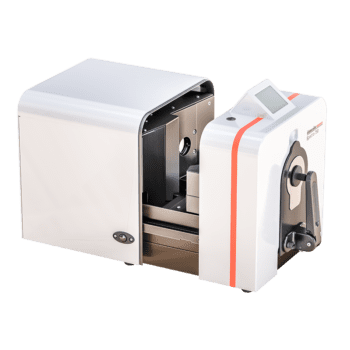
Achieving consistent color in wood coatings is more challenging than many manufacturers realize. Unlike metal, plastic or other uniform substrates, wood naturally varies in grain, porosity, texture and absorption. Even within the same species, these variations can affect how stains and coatings appear.
For manufacturers of wood coatings, furniture, cabinetry, flooring, architectural products and decorative surfaces, maintaining color consistency requires more than visual evaluation alone.
Digital color management helps manufacturers produce repeatable, measurable and consistent color results while reducing waste, minimizing rework and improving quality control throughout production.
Whether working with transparent stains, semi-transparent finishes or opaque coatings, digital color management provides the data and process control needed to achieve reliable results across batches, production sites and supply chain partners.
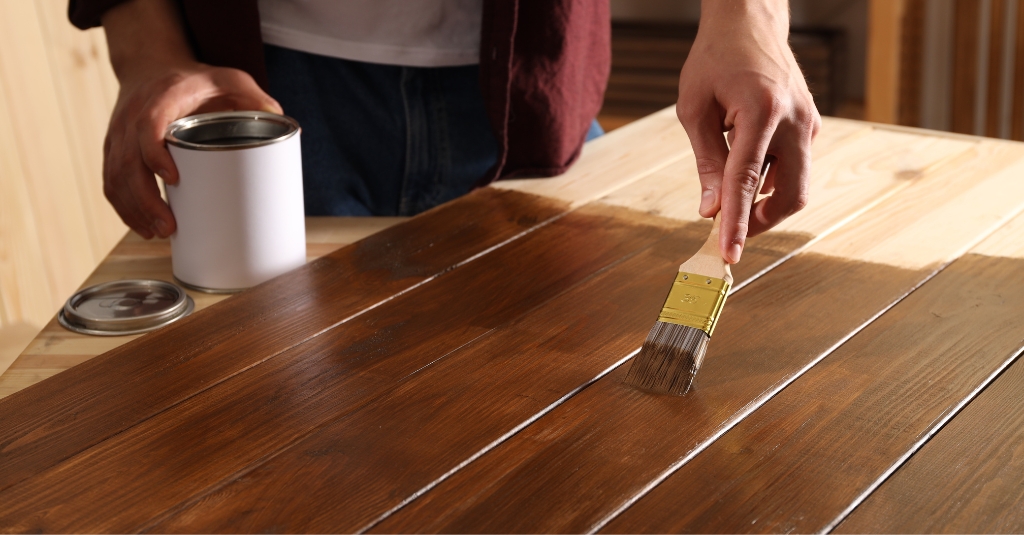
Why Color Consistency Is Challenging in Wood Coatings
Wood is one of the most visually complex substrates used in manufacturing.
Unlike plastic or painted metal, wood introduces natural variability that directly affects color appearance.
Common challenges include:
- Variations in grain patterns
- Differences in porosity and absorption
- Natural color variation between wood species
- Knots and surface irregularities
- Changes in moisture content
- Environmental influences during application and drying
As a result, the same stain or coating formulation may produce different visual outcomes depending on the substrate being coated.
This makes objective color measurement and standardized color workflows especially important.
Related reading: The Key to Consistent Color in Paint and Coatings.
Industry-Wide Challenges in Paint and Coatings
Wood coatings manufacturers face many of the same pressures affecting the broader paint and coatings industry.
Raw Material Variability
Pigments, colorants, resins and additives can change due to supply constraints or reformulation requirements.
Even small raw material changes can affect color accuracy and batch-to-batch consistency.
Related reading: Reformulation in Color Management.
Sustainability and Regulatory Requirements
Manufacturers are under increasing pressure to reduce VOCs, improve sustainability and adopt alternative raw materials.
These changes often introduce new formulation challenges that can impact color performance.
Related reading: Formulating for Sustainability.
Cost and Efficiency Pressures
Every correction cycle consumes:
- Raw materials
- Operator time
- Laboratory resources
- Production capacity
Reducing formulation iterations helps improve profitability and accelerate time to market.
Waste Reduction Goals
Off-color batches often result in:
- Rework
- Scrap
- Additional production runs
- Delayed shipments
Improving first-shot accuracy is one of the most effective ways to reduce waste and support sustainability objectives.
Related reading: Reduce Waste from Off-Color Materials.
Unique Color Challenges in Wood Coatings
Wood coatings introduce several challenges that are less common in other coating applications.
Color Consistency Across Variable Substrates
Wood species absorb stains and coatings differently.
For example:
- Oak may absorb coatings differently than maple.
- Pine often behaves differently than walnut.
- Even boards from the same tree can produce different visual outcomes.
This variability makes visual color approval difficult and increases the need for objective measurement.
Maintaining Transparency or Opacity
Transparent stains must enhance the natural beauty of wood while maintaining consistent color appearance.
Opaque coatings require uniform coverage despite variations in grain, texture and substrate absorption.
Both scenarios require precise formulation control.
Custom Color Requirements
Customers increasingly request customized finishes and proprietary colors.
Whether creating a transparent stain or an opaque finish, manufacturers need efficient ways to predict color outcomes without excessive sampling and corrections.
Process Variability
Final appearance can be influenced by:
- Application method
- Film thickness
- Drying conditions
- Temperature
- Humidity
- Substrate preparation
Without process control, even a correct formulation may produce inconsistent results.
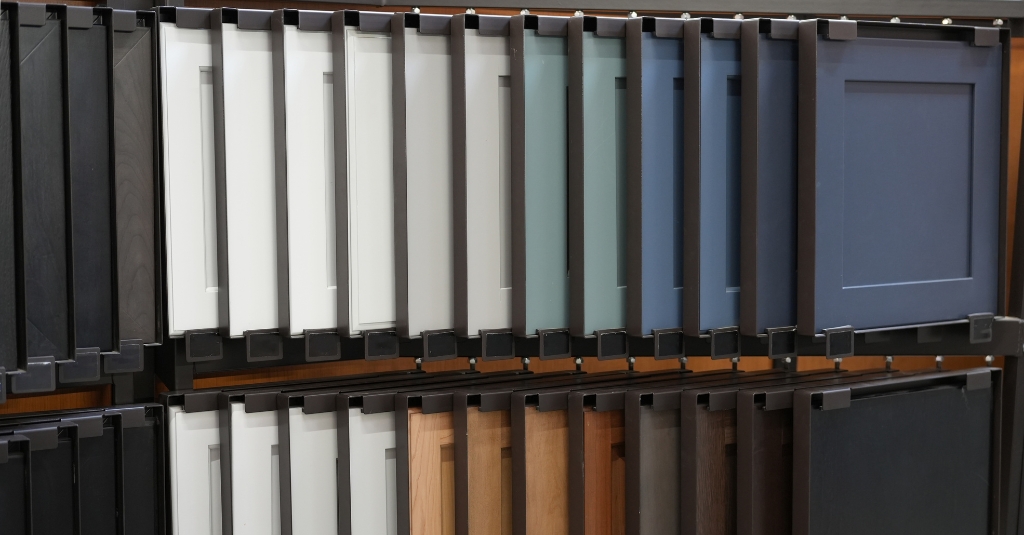
How Digital Color Management Solves Wood Coating Challenges
Digital color management replaces subjective color decisions with objective measurement and data-driven workflows.
This creates greater consistency throughout formulation, quality control and production.
1. Improved Color Consistency Across Wood Species
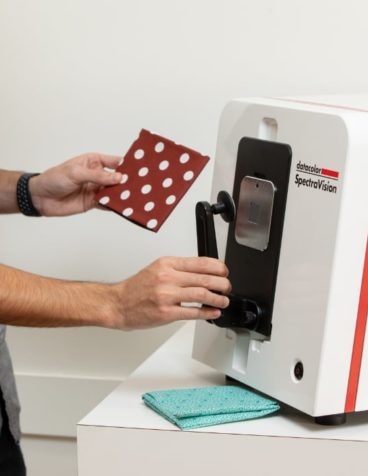
Modern color management systems combine spectrophotometers with formulation software to accurately measure color and predict performance across different substrates.
Benefits include:
- Better repeatability
- Improved reproducibility
- Faster color approvals
- Reduced supplier variation
- More reliable color communication
Related reading: Digital Color Management in the Paint and Coating Industry.
2. More Accurate Transparent and Opaque Coatings
Digital formulation systems help manufacturers optimize both transparency and coverage.
For transparent stains:
- Preserve natural grain appearance
- Maintain the target color
- Reduce visual variation
For opaque coatings:
- Improve hiding power
- Achieve a uniform appearance
- Minimize visible substrate influence
This leads to greater consistency between approved samples and production batches.
3. Faster Custom Color Development
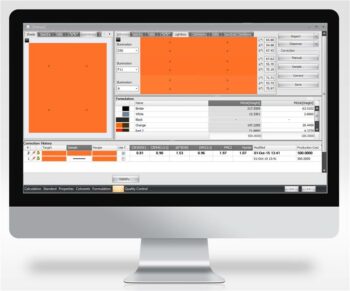
Color formulation software enables manufacturers to predict formulations digitally rather than relying entirely on manual trial-and-error adjustments.
This supports:
- Faster product development
- Reduced laboratory workload
- Improved first-shot accuracy
- Faster customer approvals
Related reading: SmartMatch: Smarter Business.

4. Reduced Waste Through Better First-Shot Accuracy
Every formulation correction increases costs.
Advanced formulation software continuously learns from previous corrections and production outcomes to improve future predictions.
The result:
- Fewer corrections
- Less rework
- Lower material consumption
- Reduced waste generation
- Improved sustainability performance
Related reading: Sustainability in Manufacturing: Why Color Consistency Matters.
5. Greater Flexibility When Raw Materials Change
Raw material substitutions are increasingly common.
Digital color management systems help manufacturers adapt formulations quickly while maintaining color specifications.
This allows organizations to:
- Maintain production schedules
- Reduce approval delays
- Improve supplier flexibility
- Protect product quality
6. Stronger Quality Control with Spectrophotometers
Visual evaluation alone cannot consistently detect subtle color differences.
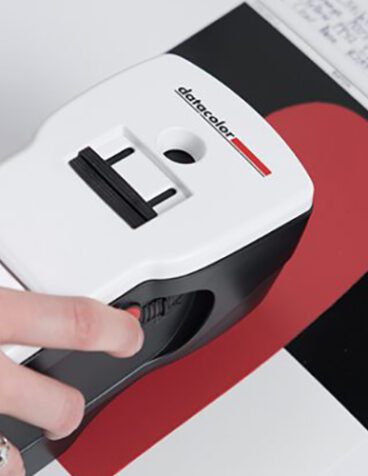
Spectrophotometers provide objective color measurements that support:
- Quality control
- Batch verification
- Auditability
- Supplier alignment
- Digital color approval workflows
Measurements can be compared against predefined tolerances to determine whether a batch meets specifications before it reaches customers.
Related reading: Using a Spectrophotometer for Color Measurement.
Why Digital Color Management Matters for Wood Coatings Manufacturers
Manufacturers that implement digital color management often experience measurable improvements across operations:
| Business Objective |
Digital Color Management Benefit |
| Color consistency |
More accurate and repeatable color decisions |
| Quality control |
Objective pass/fail evaluation |
| Waste reduction |
Fewer off-spec batches and corrections |
| Supplier alignment |
Consistent color communication |
| Faster approvals |
Reduced reliance on physical samples |
| Sustainability |
Less waste and rework |
| Productivity |
Improved laboratory and production efficiency |
The combination of objective measurement, formulation software and standardized workflows helps manufacturers achieve consistent results regardless of substrate variability.
Building a More Reliable Wood Coatings Workflow
Wood will always introduce variability.
The goal is not to eliminate that variability, but to manage it effectively.
By combining:
- Spectrophotometers
- Color formulation software
- Digital color communication
- Standardized quality control processes
manufacturers can achieve greater accuracy, repeatability and consistency across wood coating applications.
The result is improved product quality, fewer production issues, faster approvals and stronger confidence throughout the supply chain.
Explore Digital Color Management Solutions for Wood Coatings
Whether you’re producing transparent stains, opaque coatings, furniture finishes, flooring products or decorative wood surfaces, digital color management can help improve color accuracy while reducing waste and operational complexity.
Learn more about Datacolor color management solutions for paint and coatings or explore Datacolor Match Pigment formulation software.
Improve Color Consistency in Wood Coatings
Discover how objective color measurement and formulation software can help reduce waste, accelerate approvals and create more consistent wood finishes.
Connect with a Datacolor Expert

 Want to Get Color Right?