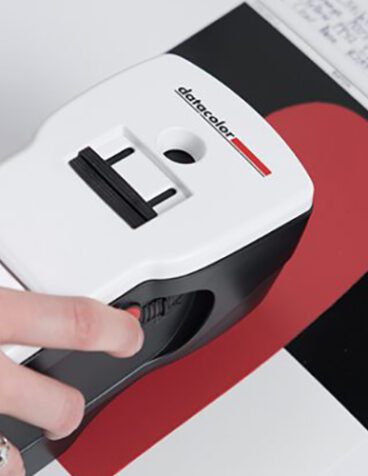
Color is not a design detail. It is one of the most valuable assets a brand owns. It shapes recognition, reinforces trust, and influences how quality is perceived at the moment of purchase. When a brand color appears inconsistent across packaging, print, and regions, the impact reaches far beyond aesthetics. It weakens credibility and introduces doubt.
Most professionals working in packaging or print have experienced this moment. A carton arrives on press and everyone pauses. The color looks almost right. Almost. The conversation begins. Is the proof wrong. Is the ink drifting. Is the substrate different. Is the lighting misleading. What should have been a confident approval turns into a debate.
Across global packaging and print supply chains, color inconsistency remains one of the most persistent and costly challenges. This is rarely due to lack of expertise. More often, it is the result of fragmented systems that make alignment difficult even for highly capable teams.
Why Color Consistency Remains Difficult
Most organizations operate with multiple disconnected sources of truth. Designers define colors inside creative applications. Prepress teams rely on separate proofing environments. Ink labs develop formulations based on their own references. Press operators judge output using physical samples. Quality teams apply experience and visual judgment.
Each step introduces interpretation. Over time, interpretation becomes variation.
Consider a global beverage brand launching a refreshed package design. The design agency works with approved colors inside creative tools. The packaging converter matches ink based on historical samples. A regional printer in another country uses a different substrate and relies on a legacy drawdown for reference. The brand team compares finished samples under office lighting rather than controlled viewing conditions. Everyone is trying to do the right thing. Yet the bottles on shelf look slightly different from market to market.
It becomes even more complex when production spans multiple substrates, multiple sites, and multiple suppliers. What begins as a precise creative intent gradually becomes a moving target.
Many organizations only recognize how fragmented their environment has become when rejection rates increase, approval cycles slow, and internal confidence begins to erode. For others, the realization happens when leadership begins asking harder questions about how well brand identity is truly being protected across the supply chain.
If your teams struggle to answer where the single authoritative version of each brand color truly lives, it may be time to take a closer look at the system supporting your workflow.
Speak with a color expert
Why Connected Color Management Matters
Modern cloud based color management platforms are not simply repositories for color data. When designed correctly, they function as connective infrastructure that links color creation, specification, production, and quality control into a governed system.
This is where Datacolor expertise in measurement science becomes essential. Reliable color communication depends not only on connectivity but on trust in the underlying data, the measurement methodology, and the integrity of the system managing that information.
Imagine a scenario where a designer in London selects an approved brand red inside Adobe Illustrator, confident that the color reflects measured and validated data. A prepress team in Chicago uses that same reference for proofing. A printer in Singapore evaluates press output against that identical standard. A quality manager in Frankfurt reviews performance data remotely and sees objective results rather than subjective opinions. That is what connected color management enables.
A connected platform allows approved color standards to become the single source of truth across design, prepress, production, and quality teams. It allows organizations to move away from subjective comparison and toward objective evaluation. Color decisions become grounded in measured data rather than interpretation.
For organizations managing complex and distributed production networks, this shift often marks the difference between chasing color problems and preventing them.
What Leading Organizations Now Expect
As packaging and print operations grow more complex, expectations for color management technology have evolved. Brands and converters no longer view color tools as isolated utilities. They expect enterprise level infrastructure that supports real world production.
That means reliable access to approved color standards. It means compatibility with professional creative tools such as Adobe Photoshop, Illustrator, and InDesign. It means integration with proofing systems and production workflows. It means strong security, protection of intellectual property, and the ability to support multiple measurement devices.
These expectations are driven by reality. Teams responsible for protecting brand integrity across regions and suppliers need systems that are as disciplined as the work they perform.
One packaging quality director described it simply. They did not need more opinions about color. They needed fewer opinions and more facts. What they lacked was not effort. It was alignment.
Organizations evaluating their current environment often discover that while individual tools may be strong, the system connecting them is weak. That gap is where inconsistency thrives.
Strengthening the Brand Color Workflow
Effective color management still begins with discipline. Brand colors must be clearly defined and approved. Visual intent must be established with precision. Technical specifications must support that intent.
The difference today lies in how those specifications are managed and deployed.
Rather than relying on static files, disconnected libraries, or informal communication, approved color data lives in a centralized environment. Designers access measured and approved colors directly within creative tools. Prepress teams rely on the same data for proofing and evaluation. Press operators assess quality against the same reference used during specification. Ink labs formulate against shared targets rather than interpreting separate samples.
A consumer goods company once discovered they had more than twelve slightly different definitions of the same brand blue across their global suppliers. None were dramatically wrong. All were slightly different. By consolidating those references into a single governed system, they reduced disputes, shortened approvals, and regained confidence that everyone was working toward the same target.
When standards evolve, updates reach everyone immediately. Governance becomes practical rather than theoretical.
Many organizations begin this transformation by mapping how many versions of their brand colors currently exist across teams, regions, and partners. That exercise alone often reveals why consistency has been so difficult to sustain.
The Business Impact of Getting Color Right
When color workflows become connected and governed, the impact extends well beyond visual quality. Rejections decrease because expectations are clearer and evaluation becomes more objective. Approval cycles become faster because fewer debates are driven by interpretation. Waste decreases because fewer jobs require correction. Productivity improves because teams spend less time compensating for preventable inconsistency.
There is also strategic value. Brand owners gain confidence that their identity is protected across markets. Suppliers strengthen credibility by demonstrating disciplined control. Relationships improve because expectations are transparent and measurable.
A print partner once described the shift as moving from defending their output to demonstrating their performance. Instead of arguing whether color was acceptable, they could show that it was on target.
For many organizations, the turning point comes when leadership recognizes that color consistency is not simply a quality issue. It is a brand protection issue.
Why This Conversation Is Growing Now
Packaging and print continue to evolve quickly. Brands are investing more in differentiation, sustainability, premium finishes, and innovation. These advances increase both the importance of color accuracy and the complexity of achieving it.
At the same time, production networks continue to expand across regions and partners. Without connected infrastructure, complexity magnifies inconsistency. With the right systems in place, complexity becomes manageable.
Organizations that begin assessing the maturity of their color management approach today are often better positioned to scale with confidence as expectations continue to rise.
Color challenges are rarely caused by lack of talent. They are usually caused by lack of alignment.
When teams rely on fragmented references and disconnected workflows, inconsistency becomes unavoidable. When organizations invest in connected, governed, and measurement driven color management, consistency becomes repeatable.
For brands and suppliers focused on protecting identity, reducing waste, and improving performance, this is no longer a technical detail. It is foundational capability.
If your organization is beginning to question how well your current color ecosystem truly supports consistency across sites and partners, a structured evaluation of your workflow can often uncover meaningful opportunities for improvement.
Request a Demo


 Want to Get Color Right?