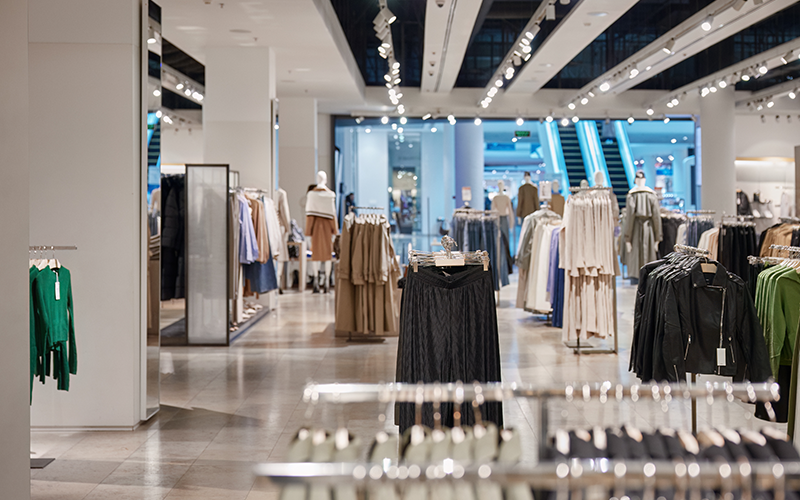
The European Union’s ban on the manufacturing, importing and exporting of mercury-containing fluorescent lamps (as of 31 December 2025 or 31 December 2026, depending on the lamp category) is a clear signal for the green transformation of global retail lighting. For all brands and their supply chains that rely on precision visual merchandising, a common and urgent issue has emerged : as this switch from fluorescent lamps to LED light sources is ongoing, how to ensure color consistency, accuracy and brand power in store visual merchandising?
LED is not simply an “energy-saving alternative”. In retail scenarios, it is a key optical variable that defines the true color of a product and influences consumer perception. In the face of the market color temperature (CCT), color rendering index (CRI) and even the spectral distribution of LED light source, brand if the lack of scientific selection standards and evaluation methods, is very likely to lead to the phenomenon of the same color and different spectra – the color of the goods under the store lights and the design standards, supply chain color or online picture serious inconsistencies, direct damage to the brand reputation and sales conversion.
The technological advantages of LED light sources: from lighting tools to brand language
While traditional retail lighting only meets the basic need to “see”, modern LED technology has evolved into a core component of brand visual communication.The advantages of LED light sources lie not only in their energy efficiency and environmental friendliness – up to 80% compared to traditional halogen lamps and 25 times longer lifespan – but also in their unrivaled precision light control. The advantage of LED light source is not only energy saving and environmental protection – compared with the traditional halogen lamp energy saving up to 80%, 25 times longer life – but also lies in its unrivaled precision light control ability.
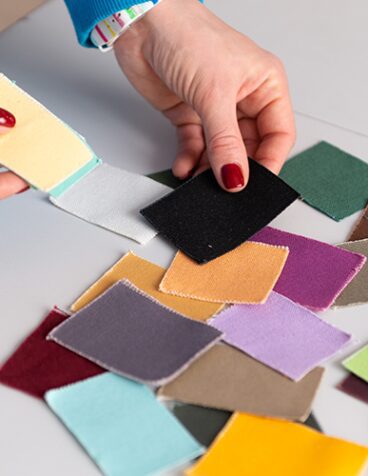
The LED’s color temperature can be adjusted from a warm 2400K candlelight to a cool 6000K daylight, and the color rendering index (CRI) can be as high as 98 (100 for sunlight), which means that garment colors can be rendered in a near-natural state under LED light.

LED light source selection
Choosing the right LED light source is essential for accurate color measurement and consistent illumination quality. As LED technology evolves, new LED types and illuminants continue to enter the market. Because each brand may define its own measurement standards, the same color temperature can correspond to multiple illuminants. Therefore, when selecting an illuminant in color‑measurement software, it’s important to base your choice on the specific brand’s recommendations. If no brand‑specific SOP is available, select an LED illuminant whose color temperature and color‑rendering index (CRI) closely match the corresponding CIE standard LED illuminant.
LED-B3: 4103K color temperature lighting body, corresponding to the light box light source for the L40-8, L840, L40-B3, etc., corresponding to the Datacolor Tools software light source name for the LED-B3, in the use of brands such as M&S.
LED-B2: 2998K color temperature lighting body, corresponding to the light box light source for L30-8, L830, L30-B2, etc., corresponding to the Datacolor Tools software light source name LED-B2, in the use of brands such as M&S.
LED35: for about 3500k LED lighting body, corresponding to the light box light source for the L835, L35-8, etc., corresponding to the Datacolor Tools software light source name for the LED35, in the use of brands such as Adidas, Uniqlo, JCPenny and so on.
LEDT8G: for about 4000K LED lighting body, corresponding to the light box light source for L840 or L940 light source, corresponding to Datacolor Tools software light source name for LEDT8G, in the use of brands such as Wal-Mart.
LED31: for about 3100K LED lighting body, corresponding to the light box light source for the L31, L31-9 light source, corresponding to the Datacolor Tools software light source name for the LED31, in the use of brands such as H&M.
LEDLCW or LCWU30 lighting body: for the color temperature of about 3000K LED lighting body, corresponding to the light box light source for LEDU30 light source, corresponding to the Datacolor Tools software light source name for LED LCW U30, in the use of brands such as LCWaikiki company.
Building a Reliable Color Evaluation System: Professional Tools and Standardized Practices
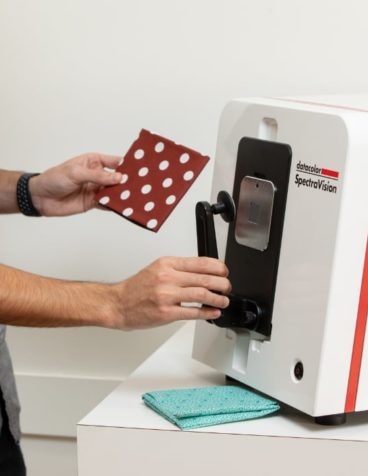
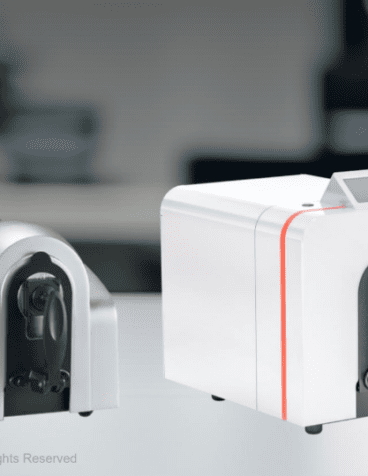
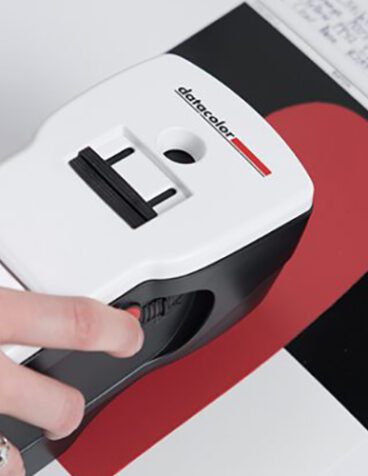
Datacolor offers complete color management solutions, including spectrophotometers and light booths. Based on specific brand or customer requirements, Datacolor can develop customized LED light source solutions to ensure color evaluation aligns precisely with brand visual standards.
The Datacolor Spectro 1000 spectrophotometer, used together with its software, includes a professional light source database that is widely recognized by leading global brands. In addition, Datacolor offers a range of professional light booths equipped with high-quality LED light sources that meet international brand specifications, providing a reliable and consistent color evaluation environment for retail, manufacturing, and design applications.

 Want to Get Color Right?