For paint and coatings teams, color accuracy depends on more than a well-defined standard or a skilled technician. It also depends on the condition of the instruments used to measure, approve, and communicate color across the supply chain. That is why instrument calibration in global color workflows is a critical part of maintaining reliable color data.
Spectrophotometers are designed for precision, but no instrument remains perfectly stable forever. Over time, normal use, environmental conditions, aging components, and handling can cause measurement performance to shift. This gradual change, known as instrument drift, can be difficult to detect until it begins affecting production decisions.
In a single lab, drift may create confusion. In a global workflow, it can create costly misalignment between development teams, manufacturing sites, suppliers, and customers.
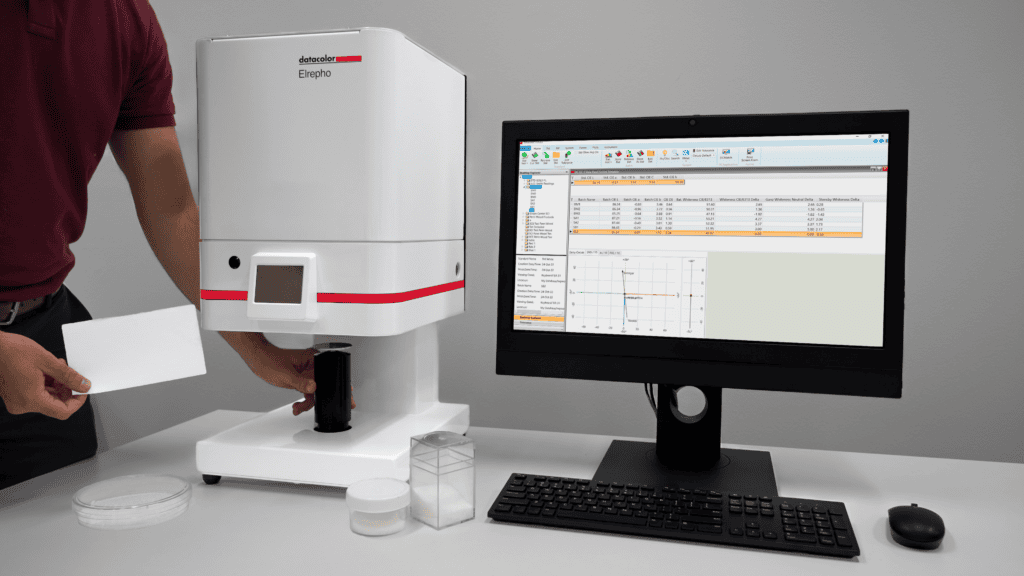
Why Instrument Calibration Matters in Global Color Workflows
When color decisions are made across multiple locations, measurement consistency becomes a shared responsibility. A color may be developed in one region, produced in another, and approved by a customer or supplier using a separate instrument. If those instruments are not properly calibrated and maintained, the data may not be comparable.
This is where instrument calibration in global color workflows becomes especially important. Calibration helps confirm that instruments are performing within expected specifications, so teams can make decisions based on reliable data rather than assumptions.
For paint and coatings teams, this supports faster approvals, clearer supplier communication, and fewer disputes over whether a color is truly in tolerance. It also helps prevent situations where one location approves a batch while another rejects the same sample.
Why Instrument Drift Happens Over Time
Instrument drift is inevitable because spectrophotometers are physical measurement systems. Components age, light sources change, sensors can lose sensitivity, and optics may be affected by dust or contamination. Environmental factors such as temperature, humidity, vibration, and frequent handling can also influence long-term performance.
The problem is that drift often happens gradually. An instrument may still power on, complete measurements, and generate reports, even when its readings are slowly moving away from expected values.
This is one reason instrument calibration in global color workflows should not be treated as a one-time setup task. It needs to be part of an ongoing quality process that includes routine checks, annual calibration, service documentation, and clear procedures for managing instruments that fall outside specification.
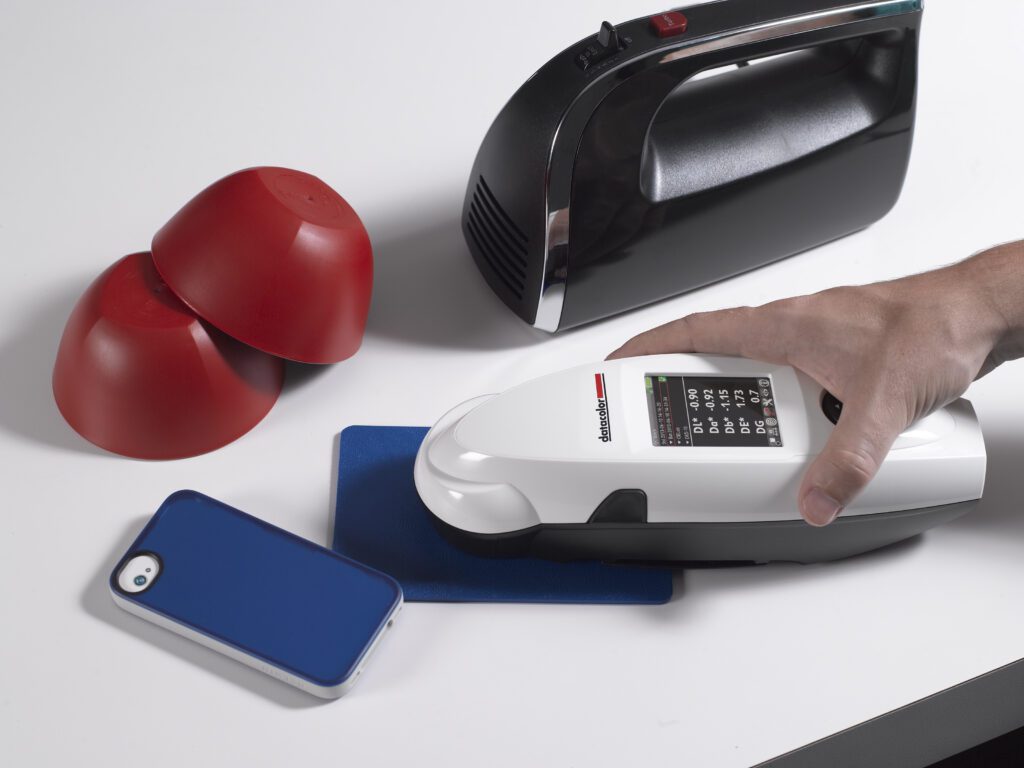
Annual Instrument Calibration in Global Color Workflows
Routine daily checks are valuable, but they do not replace professional annual calibration. Daily checks help operators confirm that an instrument is ready for normal use. Annual calibration provides a deeper verification of whether the instrument continues to meet required performance specifications.
For global paint and coatings operations, annual calibration supports several important quality goals. It helps maintain consistency across locations, strengthens confidence in batch approvals, supports audit readiness, and provides documentation when measurement results are challenged.
A strong calibration program should include a defined schedule for every instrument, clear ownership of service records, and a process for removing instruments from use if they fail calibration. Teams should also ensure that supplier and customer-facing instruments are included in the broader quality strategy when they are part of the approval workflow.
The Business Risks When Instruments Fail
When a spectrophotometer drifts or fails, the consequences can extend well beyond the lab. In paint and coatings operations, color measurement data is often used to approve production batches, adjust formulations, confirm supplier submissions, and communicate quality to customers.
A failed instrument can lead to rework, scrap, production delays, expedited shipping, customer complaints, and supplier disputes. It can also reduce confidence in historical data. If teams discover that an instrument has been drifting for months, they may need to review previous approvals and determine whether quality decisions were affected.
For management teams, this turns instrument health into a business issue. Reliable color measurement helps protect customer satisfaction, reduce waste, and improve operational efficiency.
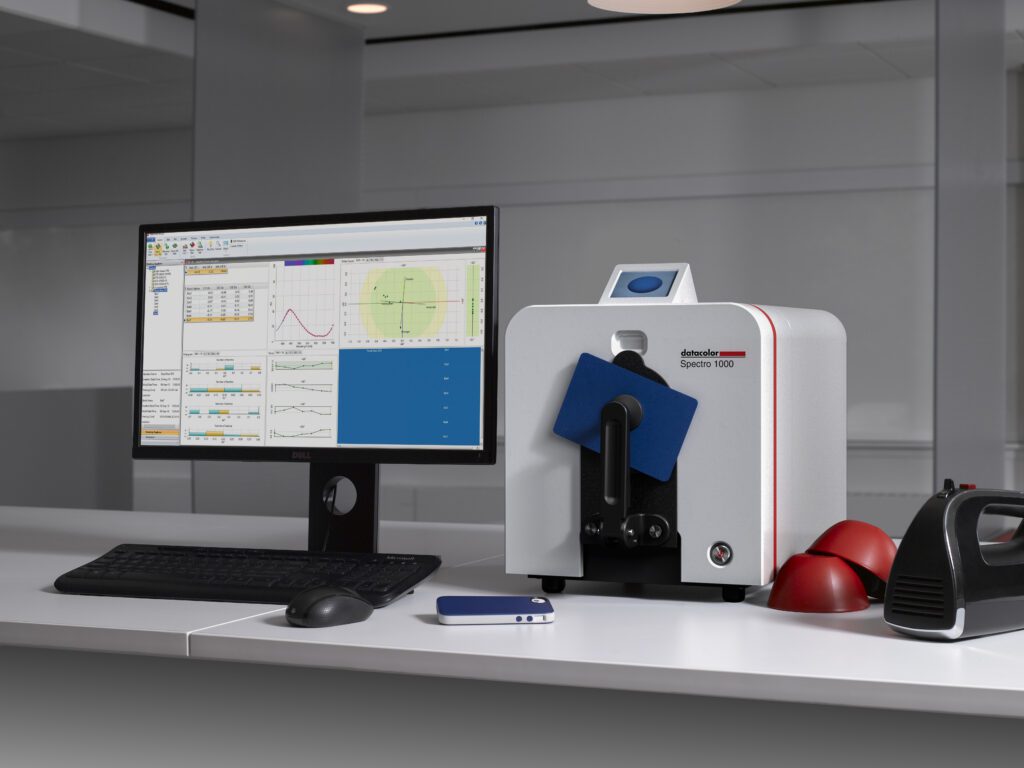
Predictive Monitoring for Instrument Calibration in Global Color Workflows
Traditional maintenance programs often respond after a problem appears. Predictive monitoring gives teams a more proactive way to manage instrument calibration in global color workflows.
By tracking instrument performance over time, quality teams can identify early warning signs before a failure affects production. Useful indicators may include calibration history, repeatability data, diagnostic results, service records, tile measurements, and agreement between instruments at different locations.
For example, an instrument may still pass routine checks but show a gradual trend toward a warning limit. With centralized performance data, the team can schedule service before the instrument creates a quality issue.
Predictive monitoring also improves root cause analysis. When a color mismatch occurs, teams can quickly determine whether the issue is related to the sample, process conditions, operator technique, environment, or the instrument itself.
Strengthening Color Confidence Across Every Site
Managing drift is not about eliminating every source of variation. It is about building a controlled process that keeps variation visible, documented, and manageable. For paint and coatings teams, instrument calibration in global color workflows is one of the most practical ways to protect measurement confidence.
With annual calibration, routine checks, predictive monitoring, and centralized visibility, organizations can reduce avoidable color issues before they disrupt production or customer relationships.
This approach helps teams improve first-time-right results, reduce rework, strengthen supplier alignment, and make faster, more confident color decisions.

 Want to Get Color Right?