Aircraft interior color matching plays a critical role in creating a cohesive passenger experience. From seat fabrics and carpets to sidewall panels and overhead bins, every component contributes to how travelers perceive an airline’s brand. While passengers may not consciously evaluate color consistency, they quickly notice when something looks out of place.
Achieving that level of consistency is not always simple. Aircraft interiors combine multiple materials, suppliers, and manufacturing processes, often spread across different locations. Even small variations can become visible once components are assembled inside the cabin, affecting both airline branding and perceived quality.
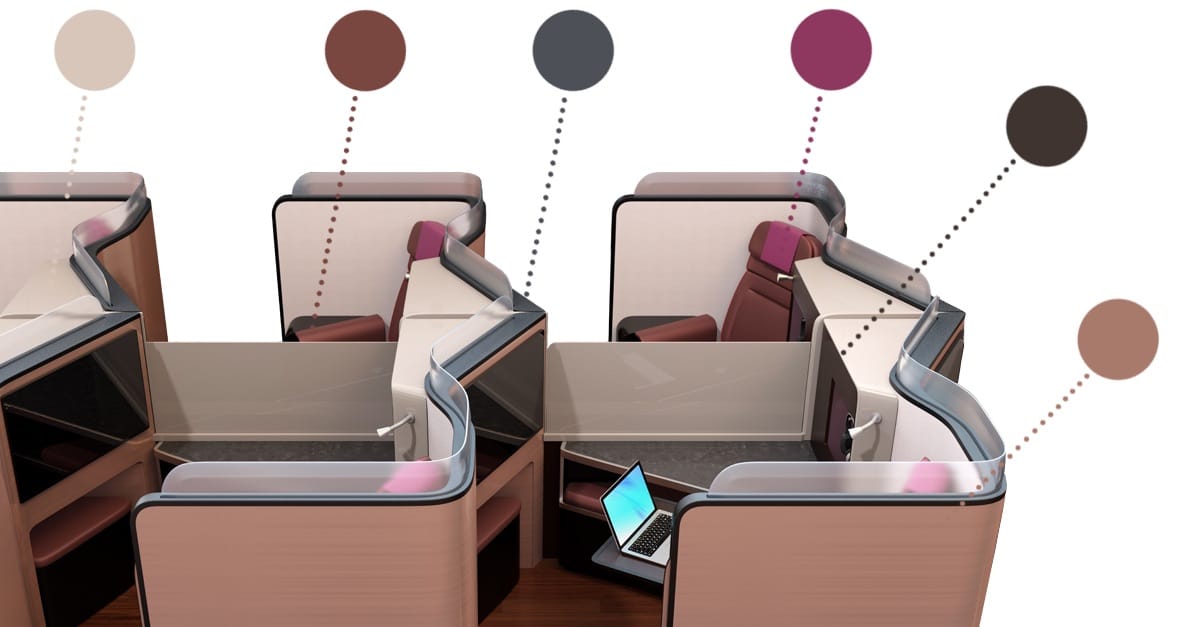
Aircraft Interior Color Matching Requires More Than Design Vision
Airlines invest heavily in cabin design to create recognizable and memorable environments. Color helps reinforce brand identity while supporting a consistent passenger experience across the fleet.
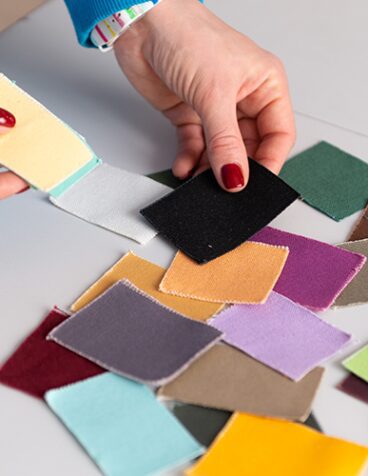
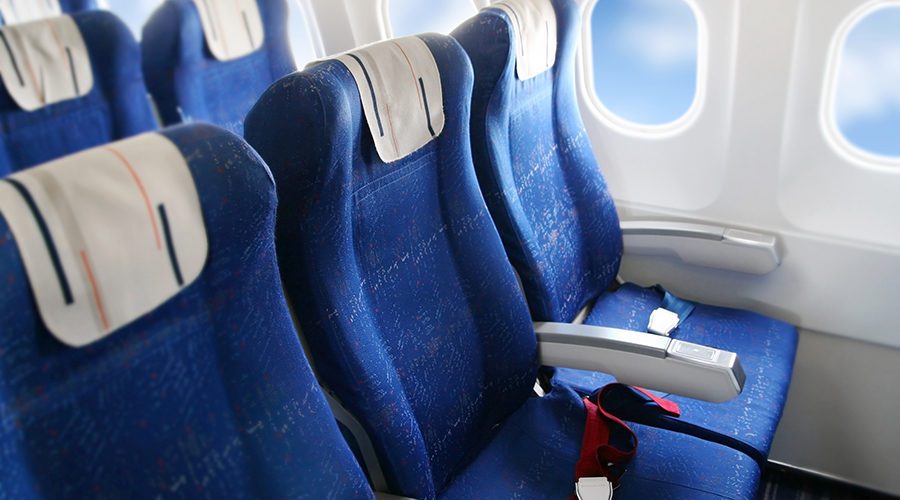
However, selecting a color palette is only the beginning. A typical aircraft interior includes seat upholstery, carpets, sidewall panels, tray tables, overhead storage bins, curtains, and safety equipment housings. Each component must meet strict aviation requirements while maintaining visual consistency with surrounding materials.
The challenge is that color specifications must be reproduced across a wide range of materials, manufacturing methods, and suppliers. What appears perfectly coordinated during the design phase can become much more difficult to maintain throughout production.
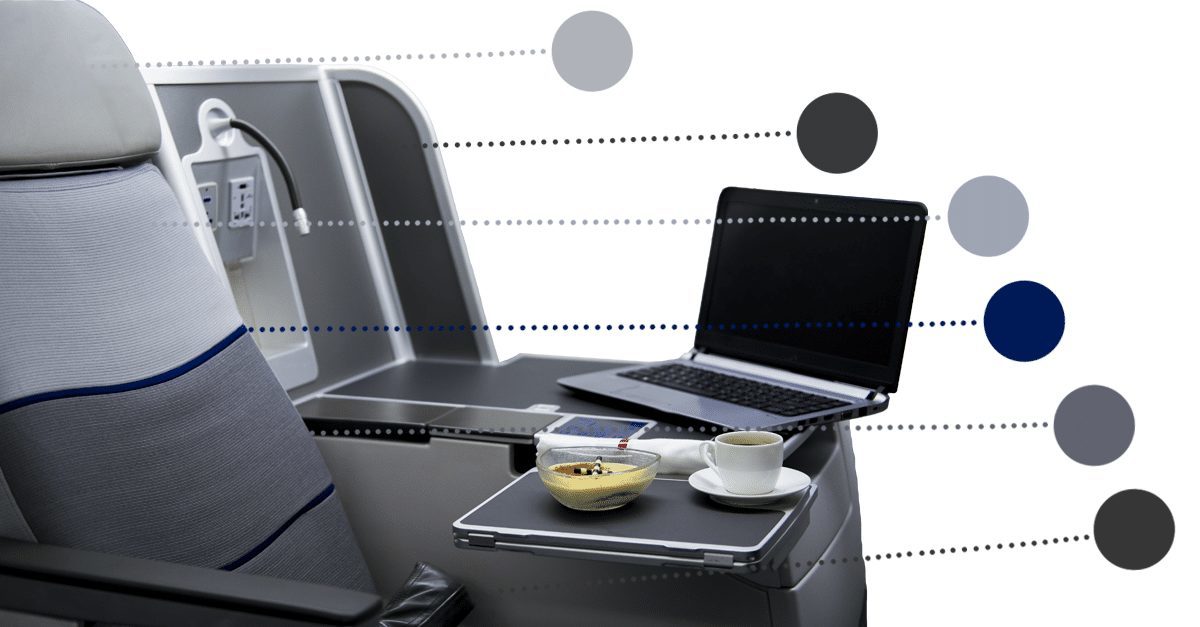
The Supply Chain Challenge Behind Cabin Color Consistency
Modern airline cabin interiors depend on complex global supply chains. Different suppliers may be responsible for producing fabrics, plastics, laminates, and painted components, each using their own equipment, materials, and quality processes.
Although every supplier may work from the same color standard, several factors can influence the result:
Small differences can appear even when suppliers meet the approved standard, making aircraft interior color matching more difficult to achieve.
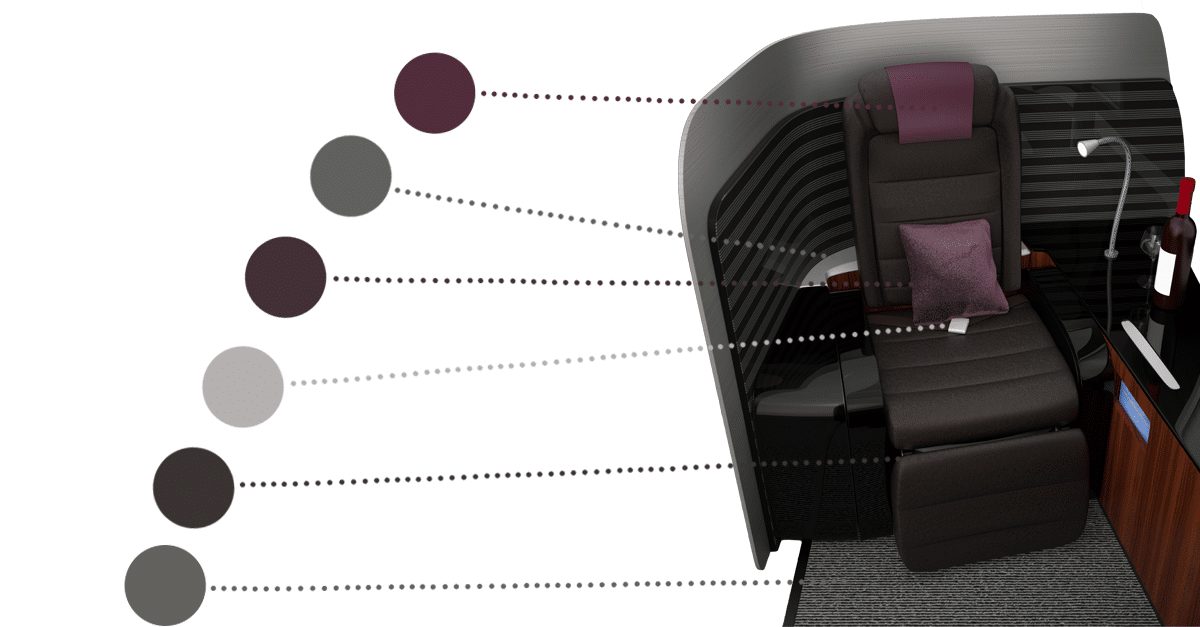
How Different Materials Affect Color Appearance
One of the biggest obstacles to aircraft interior color matching is the variety of materials used throughout the interior.
Aircraft cabins combine:
Each material interacts with light differently, influencing how color is perceived.
For example, a seat fabric and a plastic armrest may be produced to the same color specification yet still appear different when viewed together. Differences in gloss, texture, and surface reflectance can affect visual appearance.
This challenge is often linked to metamerism, a phenomenon in which two materials appear to match under one lighting condition but look different under another. In aircraft environments, where lighting conditions vary between airports, daylight, cabin lighting, and maintenance facilities, these differences can become even more apparent.
Why Cabin Refurbishment Creates Additional Challenges
Maintaining color consistency becomes even more difficult during cabin refurbishment programs.
Throughout an aircraft’s service life, airlines frequently replace carpets, seat covers, and other cabin components without replacing the entire interior. New materials must visually align with components that may have been exposed to years of wear, cleaning products, and environmental conditions.
As a result, matching replacement parts often requires more than reproducing the original color specification. Accurate color measurement and standardized evaluation methods become essential for maintaining consistency throughout the cabin.
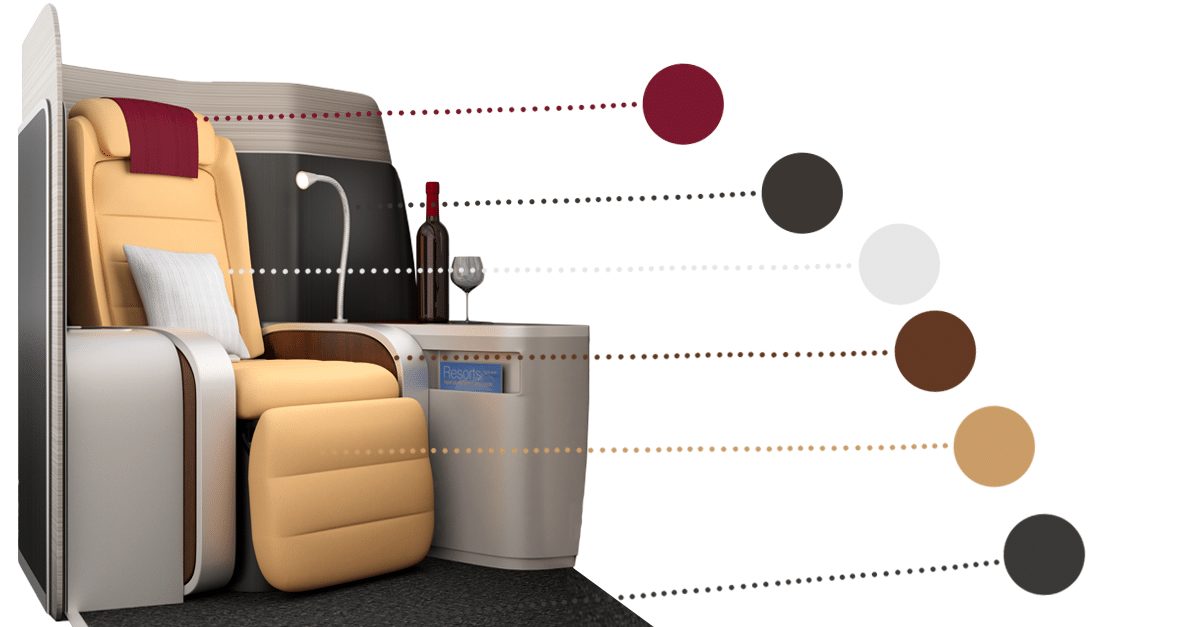
Improving Aircraft Interior Color Matching Through Digital Workflows
Traditional visual evaluation can be subjective, particularly when multiple suppliers and locations are involved.
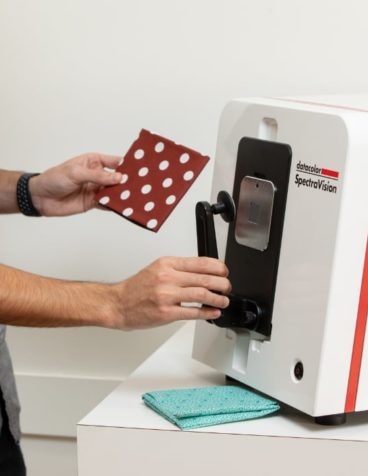
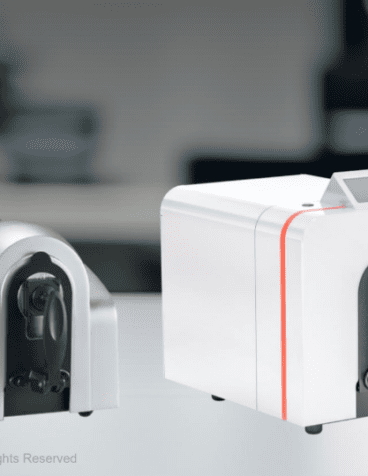
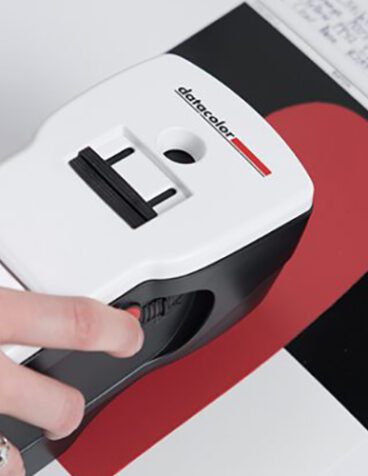
Digital color management helps support aircraft interior color matching by providing objective color data that can be shared throughout the supply chain.
Benefits include:
- More consistent communication between suppliers
- Faster approval processes
- Greater confidence in production decisions
By working from shared digital standards, suppliers can make more informed decisions and identify potential issues before components reach final assembly.
This approach helps airlines maintain color consistency while improving efficiency across increasingly global production networks.
Building Color Consistency Across Cabin Supply Chains
As aircraft interior becomes more sophisticated, maintaining visual consistency requires a product-level perspective.
Color can no longer be managed separately by individual suppliers or individual components. Every seat, panel, trim piece, and textile contributes to the overall passenger experience.
Organizations that successfully manage aircraft interior color matching focus on collaboration, standardization, and objective measurement throughout the development and production process. By aligning aviation suppliers around shared color standards, airlines can improve their color matching, reduce rework, and maintain a cohesive cabin design throughout the life of an aircraft.
Ultimately, passengers may never notice when color matching is done correctly. But they often notice when it is not. That is why aircraft interior color matching remains an essential part of delivering a high-quality cabin experience.

 Want to Get Color Right?