Whether it’s a garment on a retail shelf, a freshly painted surface, or a molded plastic component, color consistency starts with accurate measurement. Spectrophotometers are the instruments that make that possible—but the two most common form factors, portable (handheld) and benchtop, are built for different jobs. Understanding which to use, and when you may need both, is essential for any color management program in textile and apparel, paint and coatings, or plastics manufacturing.
Portable Spectrophotometers: Color Measurement on the Move
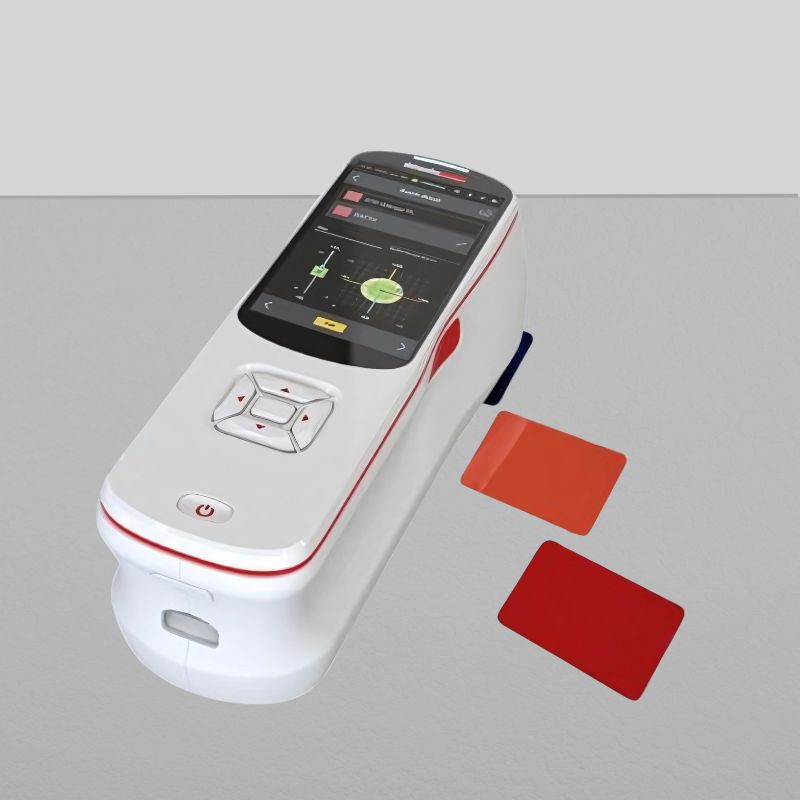 |
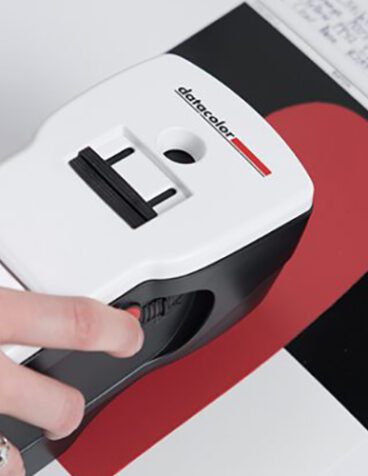
A portable spectrophotometer is a compact, battery-powered device designed to bring measurement to the sample. It’s ideal for situations where materials can’t easily be moved to a lab—think rolls of fabric on a loom, painted panels on a job site, or injection-molded parts still on the production line.
Portables excel at rapid spot-checking during production to catch color drift early, incoming inspection of materials from suppliers, and field work at remote facilities. Many offer Bluetooth or Wi-Fi connectivity for instant data transfer to quality control software.
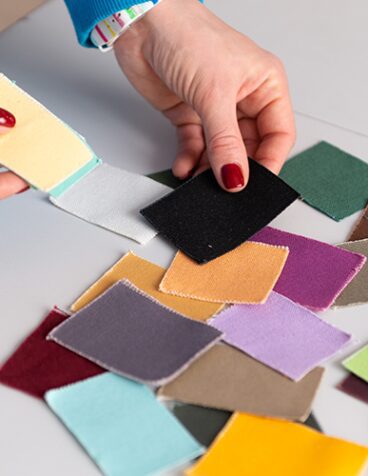
In textiles, they’re used to verify dye lot consistency and inspect incoming materials from global suppliers. |
In paint and coatings, they enable on-site color matching and verification of large or installed surfaces. In plastics, they’re used for quick checks at the press and incoming resin verification.
Explore Datacolor’s full lineup of portable spectrophotometers.
Benchtop Spectrophotometers: Lab-Grade Precision
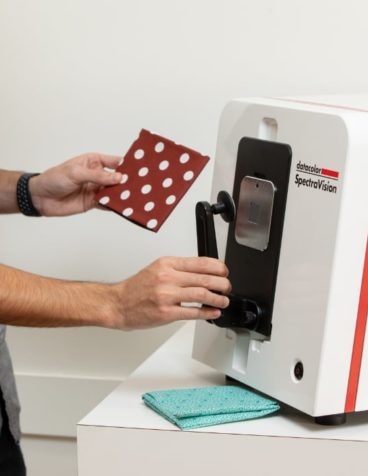
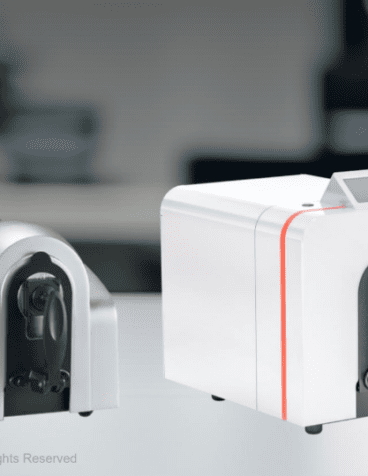
| A benchtop spectrophotometer is a larger, stationary instrument housed in a quality control lab. Free from the constraints of portability, benchtops incorporate more advanced optics and larger integrating spheres, delivering superior accuracy and repeatability—critical when tolerances are tight. Beyond precision, benchtops offer capabilities most portables cannot match. They support transmission measurements for transparent and translucent materials like clear films, liquid dyes, and resins.
They include built-in sample positioning, backing, and video targeting systems that minimize operator variability. And they commonly feature controlled UV illumination for accurately measuring samples treated with optical brightening agents (OBAs). |
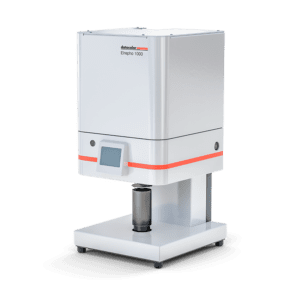 |
In textiles, benchtops are the reference instrument for creating color standards and developing dye formulations. In paint and coatings, they’re the backbone of the color lab—used for formulating new colors, building spectral databases, and evaluating opacity or haze. In plastics, they handle colorant formulation, transmission measurements on clear materials, and master standard creation.
Learn more about Datacolor’s benchtop spectrophotometers.
Key Differences at a Glance
- Accuracy and repeatability favor benchtops due to their stable, controlled measurement environment. Portables are well-suited for relative comparisons and pass/fail checks.
- Measurement modes: Benchtops support both reflectance and transmission; most portables are limited to reflectance (though some sphere-based models offer SPIN/SPEX readings).
- Sample handling is more controlled on a benchtop with integrated clamps and backers, while portables require the operator to manage positioning and backing manually.
- Cost: Benchtops are a larger investment, but using a less precise instrument for tasks that demand high accuracy can cost more in rework over time.
Do You Need a Portable, a Benchtop, or Both?
For many organizations, the answer is both. A common and effective approach is to use a benchtop as the master reference in the lab—where standards are created, formulations developed, and final approvals made—while deploying portables on production floors and at supplier sites to verify compliance. This is especially powerful in global supply chains, where a benchtop establishes the digital standard with maximum precision and portable instruments across the network verify against it.
Choose a portable if your primary need is on-the-go spot checks and field work. Choose a benchtop if you’re creating standards, formulating colorants, or measuring transparent materials. Invest in both if your workflow spans color development through production QC across multiple sites.
Why Inter-Instrument Agreement Matters—and How Datacolor Does It Differently
When multiple spectrophotometers are in use across labs, factories, and supplier sites, inter-instrument agreement (IIA) determines whether everyone is truly speaking the same color language.
Datacolor takes a unique approach: all instruments are calibrated to a master at the geometry level, not the product level. This means every Datacolor d/8 instrument—whether a flagship Spectro 1000 benchtop or a Spectro P300 portable—correlates back to the same master reference. The result is stronger agreement between different models, which is exactly how real-world color programs operate: a high-end benchtop in the lab paired with portables at supplier sites.
Many competitors set IIA at the individual product level, meaning their premium benchtop may not correlate as tightly with their own portable devices of the same geometry. This can create discrepancies between facilities and make it harder to reach consensus on color. Datacolor’s geometry-level approach helps close that gap, giving teams greater confidence that measurements are truly comparable regardless of which instrument took the reading.
Find the Right Spectrophotometer for Your Application
Explore the full range of Datacolor spectrophotometers for textile, paint, and plastics applications.
Whether you need the flexibility of a portable, the precision of a benchtop, or both working together, our color experts can help.
Request a demo

 Want to Get Color Right?