A version of this article originally appeared in Products Finishing Magazine.
Color management is critical in powder coatings because the color development process is slower, less forgiving and more resource-intensive than in many other coating applications. Once a powder coating is manufactured, it is shipped ready to apply. If the color is wrong, it cannot be corrected as easily as a liquid paint batch at the point of sale.
For powder coating manufacturers, this makes first-time color accuracy essential. A poor match can lead to repeated lab work, wasted raw materials, delayed customer approvals, production disruption and higher costs. Digital color management helps teams reduce these risks by using objective color data, formulation software, spectrophotometers and quality control tools to measure, match, communicate and approve color more reliably.
Powder coatings are used across industries where durability, appearance and performance matter. As demand for accurate color matching grows, manufacturers need workflows that improve speed without sacrificing quality.
For a broader foundation, see digital color management and color management solutions for paint and coatings.
What Is Color Management in Powder Coatings?
Color management in powder coatings is the process of measuring, formulating, evaluating and communicating color using objective data.
A strong color management workflow connects the lab, production, quality control, suppliers and customers around the same color standard. Instead of relying only on visual judgment or repeated physical trials, teams use color measurement instruments and software to make color decisions more predictable.
In powder coatings, color management typically includes:
- Measuring color standards and samples
- Building and maintaining digital color databases
- Developing accurate powder coating formulas
- Checking color differences against tolerances
- Evaluating visual appearance under controlled lighting
- Communicating color data across locations
- Documenting approvals, corrections and production decisions
This helps manufacturers reduce trial-and-error, improve formula accuracy and make color decisions that are easier to repeat across batches and production sites.
For more context on how measurement supports these workflows, see using a spectrophotometer for color measurement and the different types of color measurement instruments.
Why Powder Coating Color Matching Is Challenging
Powder coating color development is more complex than many liquid coating workflows.
In architectural coatings, a color can often be created by dispensing colorants into a base, mixing, shaking and adjusting the formula if needed. If the result is off, the batch may be corrected by adding more colorant.
Powder coatings are different. Even at lab scale, developing one color can require weighing dry materials, preparing a premix, extruding the premix, cooling, grinding, applying the powder and curing the sample before color can be evaluated. If the result is incorrect, the process often needs to restart.
That makes accuracy early in the workflow especially important.
Common challenges in powder coating color matching include:
- Long development cycles
- Limited ability to correct after manufacturing
- Raw material variability
- Pigment and additive interactions
- Curing temperature and time effects
- Gloss and surface texture differences
- Metamerism under different light sources
- Inconsistent visual evaluation
- Formula transfer between sites
- Customer approval delays
The more manual or subjective the process is, the greater the risk of rework and wasted material. Digital color management reduces that risk by improving prediction, measurement and correction before production decisions become expensive.
Why Visual Evaluation Alone Is Not Enough
Visual color evaluation remains useful, but it is not reliable enough on its own for powder coating quality control.
Human perception can be affected by lighting, background, viewing angle, surface texture, gloss, evaluator experience and fatigue. Two people may judge the same sample differently. A color may also appear correct under one light source but shift under another.
This is especially important in powder coatings because surface appearance can influence how color is perceived. Gloss, texture, orange peel, metallic effects and substrate differences can all affect the final visual result.
Controlled visual assessment should therefore be combined with digital measurement. Spectrophotometers provide objective color data, while controlled viewing environments help confirm whether the measured result is acceptable in real-world conditions.
For related guidance, see light booths for color assessment, light sources and color evaluation and what metamerism is.
How Gloss and Surface Effects Influence Powder Coating Color
Gloss can make two powder coating samples look different even when their measured color values are close.
A glossy surface reflects light differently than a matte or textured surface. This changes the visual appearance of the coating and can create disagreement between instrumental readings and visual evaluation. In powder coatings, gloss and texture are often part of the product specification, not just secondary surface properties.
A color may need to be matched in:
- High-gloss finishes
- Satin finishes
- Matte finishes
- Textured finishes
- Metallic or special-effect finishes
- Functional coatings where appearance and performance both matter
Because of this, powder coating manufacturers should define whether they are controlling color, gloss, appearance or all three. Measurement geometry, gloss compensation and visual assessment procedures should be aligned with the product requirement.
For a deeper explanation, see how gloss impacts color measurements and matching.
Why Digitalization Is Key in the Powder Coating Supply Chain
Digital color management helps powder coating manufacturers respond faster to customer requests, reduce avoidable lab work and improve production confidence.
Without digital color tools, companies may spend days testing whether they can match a customer’s requested color using available raw materials. If the match is not feasible, the delay can affect quoting, sampling, approval and production planning.
With digital tools, teams can evaluate color data, available ingredients and formulation options earlier. If the required raw materials are not available, the lab can identify the issue sooner and reformulate before wasting additional time and material.
Digital color management can support:
- Faster feasibility checks
- More accurate formula predictions
- Better use of existing raw materials
- Reduced trial-and-error in the lab
- Faster customer response
- Clearer supplier communication
- More consistent production transfer
- Better documentation for quality audits
For companies working across multiple locations, centralized digital data is especially valuable. A shared database helps labs and factories access approved formulas, standards, correction history and quality data. This reduces the need to repeatedly match the same color at different sites.
For more on supply chain color communication, see digital color communication with color measurement instruments and keys to reliable digital color communication.
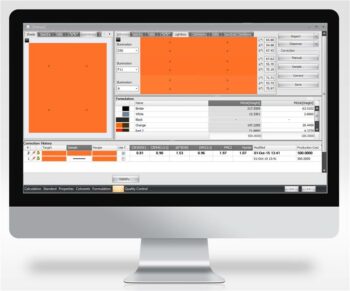
How Formulation Software Improves Powder Coating Workflows
Formulation software helps powder coating manufacturers predict and optimize formulas before physical trials consume lab time and materials.
A digital formulation workflow can use color measurement data, pigment databases, ingredient availability and performance requirements to suggest formulas that are more likely to match the target. This helps reduce the number of correction cycles needed to reach an approved color.
In powder coatings, formulation software can help teams optimize for:
- Color accuracy
- Raw material availability
- Cost
- Pigment load
- Ingredient restrictions
- Additives
- Performance requirements
- Production feasibility
The result is a more controlled development process. Instead of relying heavily on manual correction, color teams can use data-driven predictions and refine formulas more efficiently.
For relevant Datacolor tools, see Datacolor Match Pigment, Datacolor Match Pigment software explained and product line maintenance with Match Pigment.
Quality Control: From Lab Match to Production Consistency
Getting the lab match right is only part of the challenge. Powder coating manufacturers also need to maintain color consistency in production.
A quality control workflow should verify that production batches remain within defined tolerances and match the approved standard. This requires consistent measurement conditions, defined pass/fail criteria and reliable data storage.
A strong powder coating quality control process should include:
- Approved digital standards
- Defined Delta E tolerances
- Controlled sample preparation
- Repeatable measurement procedures
- Instrument calibration and maintenance
- Visual review under controlled lighting
- Batch records and approval history
- Clear escalation procedures for out-of-tolerance results
Digital quality control software helps teams compare production samples against standards, evaluate color differences and document decisions. This supports faster approvals and better auditability.
For more guidance, see best practices for Delta E tolerance standards, 5 steps for an effective color quality control program and Datacolor Tools.
Why Instrument Agreement Matters Across Factories and Labs
Large powder coating manufacturers often operate multiple labs and factories across regions. To balance workload, reduce lead times or respond to customer demand, production may shift from one location to another.
This only works if each site can measure, formulate and approve color consistently.
If instruments are not aligned, two locations may measure the same sample differently. One site may approve a batch while another rejects it. This creates delays, disputes and unnecessary correction work.
Inter-instrument agreement is therefore essential for global powder coating workflows. It helps ensure that color data is comparable across labs, factories, suppliers and customers.
To strengthen measurement consistency, teams should:
- Use appropriate instrument types for the application
- Maintain calibration routines
- Define measurement geometry
- Standardize sample preparation
- Align software settings
- Monitor instrument performance
- Document procedures across locations
For more detail, see why inter-instrument agreement matters, how to store, use and clean spectrophotometer calibration tiles and best conditions for accurate color data.
Portable Color Measurement Supports Faster Customer Response
Portable color measurement devices are becoming increasingly useful in powder coating workflows.
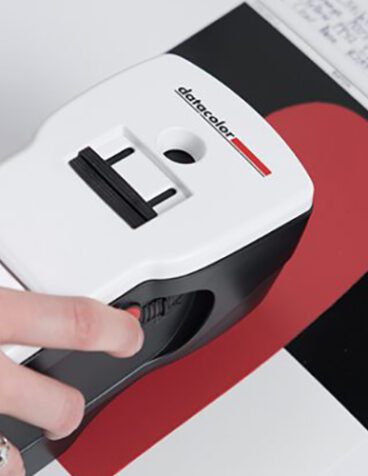
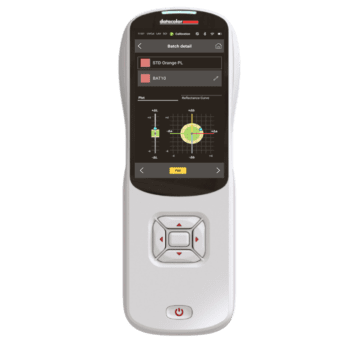
With portable instruments, teams can measure a sample, compare it with standards and identify close matches more quickly. This can support quoting, customer conversations, field checks and faster early-stage color evaluation.
For powder coating manufacturers, this can help sales and technical teams:
- Respond faster to customer color requests
- Identify close matches in existing libraries
- Reduce unnecessary lab work
- Estimate feasibility earlier
- Support more accurate job costing
- Improve communication between customer-facing and technical teams
Portable tools do not replace lab-grade workflows when tight tolerance or formal approval is required. But they can make the early stages of color identification and customer communication more efficient.
For instrument options, see portable spectrophotometers and ColorReader Spectro.
Best Practices for Powder Coating Color Management
A strong powder coating color workflow combines digital measurement, formulation, quality control and supplier communication.
1. Define the Color Standard Before Formulation
Start with a measurable color standard. The standard should include color data, target finish, gloss level, application conditions and customer requirements where relevant.
2. Use Formulation Software Early
Use digital formulation tools to predict feasible recipes before physical trials. This helps reduce wasted lab cycles and improves first-shot accuracy.
3. Control Sample Preparation
Powder coating samples should be prepared, applied and cured consistently. Variation in film thickness, substrate, cure schedule or surface texture can affect both color and appearance.
For related measurement guidance, see sample measurement technique for digital color communication and best practices for measuring color samples.
4. Define Tolerances Clearly
Tolerances should reflect customer expectations, product use, gloss level, color family and production capability. A single generic tolerance may not work across all powder coating finishes.
5. Combine Measurement with Controlled Visual Review
Use spectrophotometer data for objective control and visual assessment to confirm appearance. This is especially important for gloss, texture and special-effect coatings.
6. Centralize Approved Formulas and Standards
A shared digital database helps multiple labs and factories avoid repeated matching work. It also supports easier production transfer between sites.
7. Review Production Data Over Time
Track rework, rejected batches, correction cycles and customer complaints. Use this data to refine tolerances, improve formulas and strengthen quality control.
How Datacolor Supports Powder Coating Color Management
Datacolor supports powder coating manufacturers with color measurement instruments, formulation software and quality control tools designed to improve color accuracy, speed and consistency.
Depending on the workflow, powder coating teams may use:
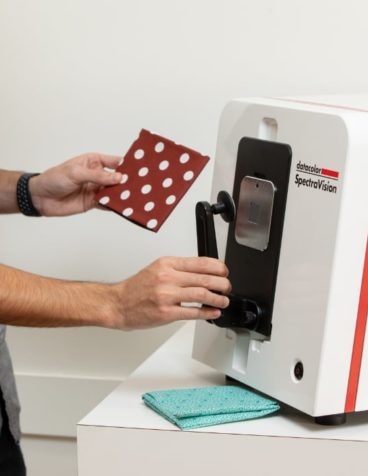
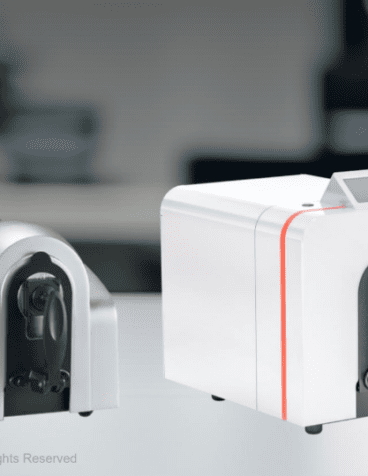
- Spectrophotometers for objective color measurement
- Formulation software for accurate powder coating recipes
- Quality control software for tolerance management and batch approval
- Portable instruments for faster customer-facing color checks
- Digital communication tools for supplier and multi-site alignment
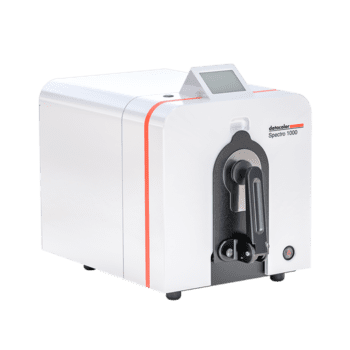
Relevant Datacolor solutions include Spectro 1000, Spectro 700, Datacolor 200, Datacolor Match Pigment, Datacolor Tools and color management software.
With a digital color management workflow, powder coating manufacturers can reduce trial-and-error, improve first-time matches, avoid unnecessary material waste and support more consistent color quality from supplier to customer.
FAQ: Color Management in Powder Coatings
What Is Color Management in Powder Coatings?
Color management in powder coatings is the process of measuring, formulating, evaluating and communicating color using objective data, instruments and software.
Why Is Color Matching Difficult in Powder Coatings?
Powder coating color matching is difficult because development involves multiple physical steps, including weighing, premixing, extrusion, application and curing. If the color is incorrect, the process often needs to restart.
Why Is Digital Color Management Important for Powder Coatings?
Digital color management improves formula prediction, reduces trial-and-error, speeds up approvals, supports quality control and helps manufacturers reduce wasted material and lab time.
Can Powder Coating Color Be Corrected After Production?
Powder coatings are typically manufactured and shipped ready to apply, so they are not as easy to correct as liquid paint at the point of sale. This makes first-time color accuracy especially important.
What Role Does a Spectrophotometer Play in Powder Coating Color Control?
A spectrophotometer measures the color of standards and samples objectively. This data helps teams compare samples, calculate color differences, develop formulas and verify production quality.
Why Does Gloss Matter in Powder Coating Color Matching?
Gloss affects how a color appears visually. A matte and glossy coating can look different even if the measured color values are close, so gloss and surface finish should be considered in color approval.
How Does Formulation Software Help Powder Coating Manufacturers?
Formulation software helps predict accurate recipes, optimize ingredient use, reduce correction cycles and improve first-shot matches before physical trials consume time and materials.
How Can Powder Coating Manufacturers Improve Supply Chain Color Consistency?
They can use digital standards, aligned instruments, shared databases, defined tolerances, controlled sample preparation and clear digital communication across labs, factories, suppliers and customers.
Ready to Improve Powder Coating Color Accuracy?
If your team is dealing with long development cycles, repeated color corrections, inconsistent approvals or production transfer challenges, Datacolor can help you build a more reliable digital color management workflow for powder coatings.
Connect with Our Color Experts!

 Want to Get Color Right?