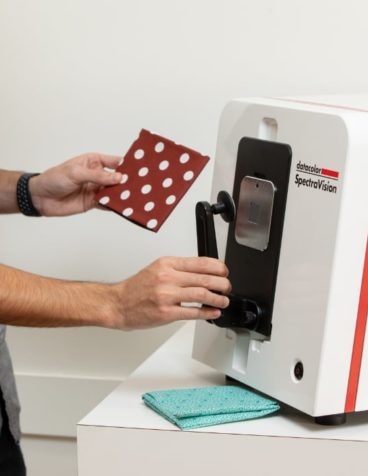
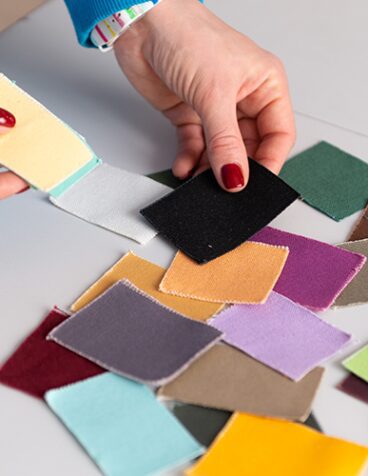
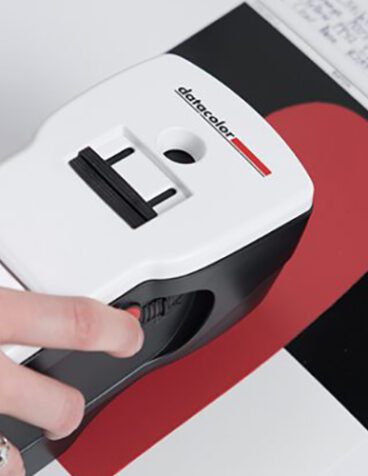
Sample rotation may seem like a small step in color measurement, but it can make a significant difference when measuring textured materials. Plastics, carpets, woven fabrics, and coated surfaces can reflect light differently depending on their texture, pattern or orientation. As a result, a single reading may not always represent the true color of the sample.
This creates challenges for manufacturers that depend on accurate, repeatable color data. Small measurement variations can lead to color differences, repeated approvals, reformulations, rejected lots, and unnecessary production delays. By measuring the same sample at multiple orientations and averaging the results, sample rotation helps improve color measurement accuracy and supports more consistent decisions across the workflow.

Why Textured Materials Are Difficult to Measure
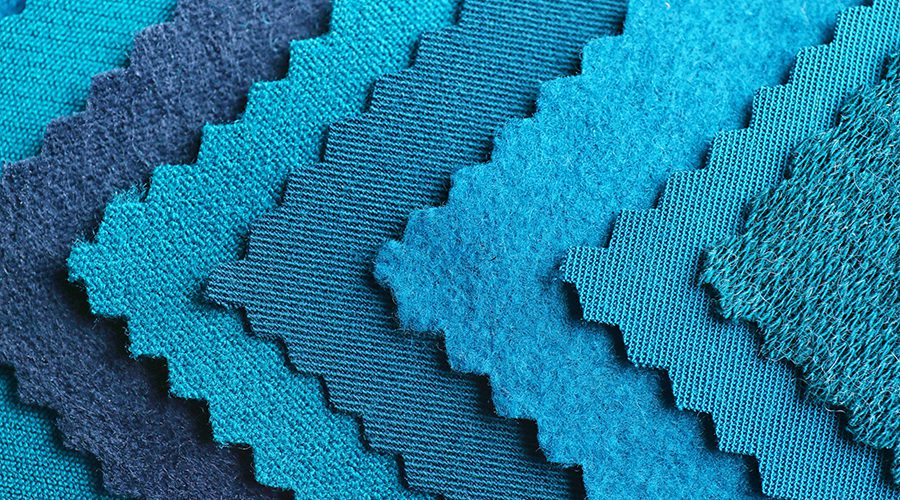
Textured materials do not always reflect light evenly. Fibers, patterns, molded surfaces, and woven structures can influence how color is captured during measurement, especially when the sample is placed in only one position.
This means a single reading may not fully represent how the material appears in real conditions. By measuring the sample from multiple orientations, sample rotation helps reduce the influence of surface direction and creates a more reliable average result.
For manufacturers, that difference matters. More representative measurements can support better color evaluations, more accurate formulations, and more confident quality approvals.
What Is Sample Rotation?
Sample rotation is a measurement technique that involves reading the same sample at multiple orientations and averaging the results. Rather than relying on a single measurement, the process captures a broader representation of how the material interacts with light. The resulting average is often more representative of the material’s true appearance and can help reduce the influence of directional textures.
In industries such as textiles, plastics, and coatings, sample rotation is often used when materials contain directional textures or surface variation. The technique helps ensure that color measurements more accurately represent how the material will appear in real-world applications.
This approach is particularly useful for textured materials where surface directionality may influence color readings.
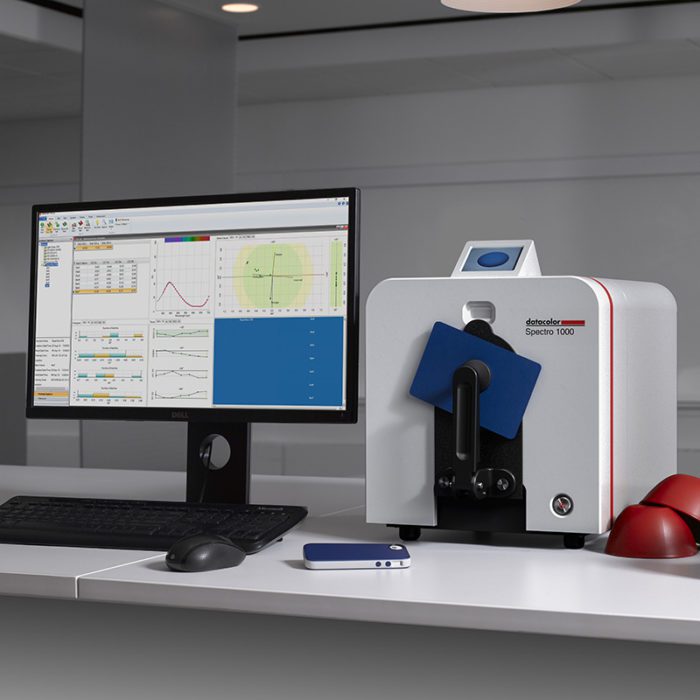
How Sample Rotation Improves Color Measurement Accuracy
When used correctly, sample rotation can provide several benefits:
- Improves measurement repeatability on textured materials
- Reduces variability caused by surface orientation
- Improves communication between suppliers and production teams
- Reduces unnecessary reformulations and approvals
- Strengthens overall color consistency in manufacturing
Together, these benefits help create a more stable and repeatable measurement process. For manufacturers working with textured materials, greater measurement confidence can translate into fewer disputes, faster approvals, and more reliable color communication throughout the supply chain.
Digital Workflows Support More Accurate Color Measurement
Sample rotation improves the quality of measurement data, but digital color workflows help ensure that data is used consistently throughout the organization. They create a stronger foundation for color communication, helping teams work from the same standards regardless of location.
Today, digital color workflows help teams standardize measurements, communicate color data more effectively, and maintain centralized color records across suppliers and production sites. By combining accurate measurement practices with digital color data, manufacturers can improve Color Consistency in Manufacturing while reducing variability between locations, operators, and suppliers.

How Sample Rotation Supports Sustainability
The connection between color measurement and sustainability is often overlooked. Yet many sustainability challenges begin with small process inefficiencies. When color measurements are inaccurate, the consequences often extend beyond the lab and into production.
Improving measurement accuracy through practices like sample rotation helps strengthen color consistency in manufacturing while reducing those inefficiencies before they become waste. Better color consistency can contribute to fewer corrections, faster approvals, and more efficient use of resources across the supply chain.
In this way, accurate color measurement supports both operational performance and sustainability goals.
Why Sample Rotation Matters for Modern Manufacturing
As manufacturing workflows become more complex, companies need measurement processes that are both reliable and repeatable.
Sample rotation is a simple technique, but its impact extends far beyond the measurement itself. By improving color measurement accuracy, manufacturers can strengthen color consistency, reduce variability, and make more confident decisions throughout the workflow.
In an industry where quality, efficiency, and sustainability increasingly depend on reliable data, better color measurement remains one of the most effective ways to improve consistency, efficiency, and quality across the manufacturing process.

 Want to Get Color Right?