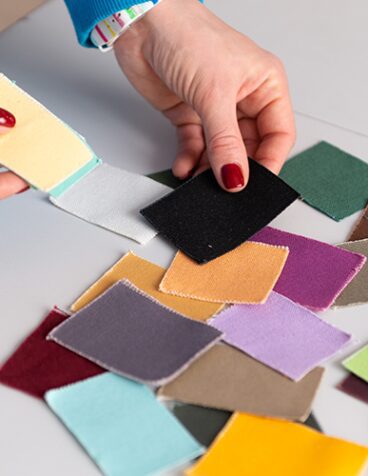
Fabric color matching is often one of the most important quality objectives during product development. Brands invest significant time and resources to ensure fabrics meet approved color standards before production begins. Yet even when the fabric itself is a perfect match, the finished product can still appear inconsistent.
A garment is rarely made from fabric alone. Zippers, labels, drawcords, sewing threads, buttons, and decorative trims are often developed and approved independently before becoming part of the same product. Even when each individual component meets the approved color target, visual differences can still appear after assembly.
As supply chains become increasingly global and products incorporate a wider variety of materials, fabric color matching becomes less about matching individual components and more about ensuring visual consistency across the finished product.
The Supplier Gap Behind Visible Color Differences
Many color approval processes are built around the primary material. Once a fabric color is approved, attention often shifts to production timelines, sourcing, and component procurement.
However, a finished garment may contain components sourced from multiple suppliers, each working with different materials, equipment, and approval workflows. While every supplier may receive the same color target, each component is typically evaluated independently before becoming part of the finished product.
This means that a zipper, label, or sewing thread may successfully meet the approved color target on its own, while still appearing different once assembled with the fabric and other components.
For this reason, successful fabric color matching must consider not only whether each component matches the approved target individually, but also whether they maintain a consistent visual appearance when viewed together as a finished garment.
Why Different Materials Change Color Appearance
Modern apparel production depends on highly specialized supply chains, where multiple partners contribute to a single product. A garment may involve fabric mills, trim and label manufacturers, zipper producers, thread suppliers, and assembly facilities, each working with different materials and manufacturing processes.
Even when every supplier works toward the same approved color target, achieving a consistent visual appearance across different materials is not always straightforward. Surface texture, gloss, material composition, and the way each substrate interacts with light can all influence how color is perceived.
As a result, small visual differences may become noticeable once all components are assembled, despite each supplier meeting the approved color requirements. This is why fabric color matching should consider how every component performs as part of the finished garment, not only how it matches the color target individually.

Why Fabric Color Matching Becomes More Complex Across Different Materials
One of the biggest challenges in fabric color matching is that garments rarely consist of fabric alone. Modern apparel often combines multiple materials and components, each with unique visual and physical properties.
A single product may include:
- Woven fabrics
- Knit fabrics
- Plastic zippers
- Polyester labels
- Elastic trims
- Metal hardware
Each material interacts with light differently. Surface texture, gloss, reflectance, and material composition all influence how color is perceived. As a result, two components that both meet the approved color target may still appear different once viewed side by side in the finished garment.
For example, a zipper may match the approved color standard when evaluated independently against the approved color target, but still appear slightly different once attached to the garment. The same issue can occur with labels, drawcords, or decorative trims.
These visual differences are not necessarily caused by poor manufacturing. They are often the result of reproducing a consistent color appearance across different substrates. Understanding this distinction helps brands build a fabric color matching strategy that evaluates not only individual components, but also the visual consistency of the finished product.
How Fabric Color Matching Impacts Product Quality
Consumers may not understand color tolerances, spectral data, or manufacturing variables, but they quickly notice when products appear visually inconsistent. A zipper that looks slightly darker than the surrounding fabric or a label that appears warmer than the garment body can reduce the perceived quality of the finished product.
These issues can lead to:
- Delayed approvals
- Additional sampling rounds
- Production rework
- Increased costs
- Reduced customer confidence
The impact extends beyond aesthetics. Inconsistent color can affect product approvals, manufacturing efficiency, and how consumers perceive craftsmanship, attention to detail, and overall brand quality. For this reason, fabric color matching should be considered an essential part of quality management rather than simply a color approval task.

Building Better Color Alignment Across the Supply Chain
Many color issues are discovered only after all components have been assembled. By that stage, corrective actions can be costly and disruptive. A more proactive approach involves integrating color management throughout the product development process, rather than relying solely on the individual approval of each component.
Best practices include:
- Establishing shared color standards across suppliers
- Using consistent measurement methods
- Standardizing visual evaluation conditions
- Including trims and secondary components in approval workflows
- Improving communication between suppliers and internal teams
When every stakeholder follows the same color evaluation process, potential issues can be identified before production begins. This helps reduce rework, improve efficiency, and achieve a more consistent final product.
Fabric Color Matching Requires a Product-Level Perspective
Fabric color matching remains a critical part of product development, but matching the fabric alone is no longer enough.
Today’s products are built from multiple materials, produced by multiple suppliers, and assembled through increasingly complex global workflows. Achieving a cohesive appearance requires brands to look beyond the individual approval of each component and evaluate how every visible element contributes to the final product.
The most effective color management programs recognize that consistent products are built through consistent processes. By aligning measurement methods, visual evaluation, and approval practices across the supply chain, brands can improve consistency, reduce rework, and deliver products that meet consumer expectations.
After all, customers do not buy individual components. They buy finished products.


 Want to Get Color Right?