Team colors are more than a design choice. They create identity, build loyalty, unite fans and help teams stand out on and off the field.
Whether it’s a professional sports franchise, a college basketball program or a local club team, colors help fans instantly recognize and connect with the teams they support. In some cases, those colors become so valuable that organizations legally protect them. The University of Texas and the University of North Carolina, for example, have trademarked their signature colors.
In celebration of International Colour Day, we’re taking a closer look at the role of color in sports apparel and why maintaining consistent team colors requires more science than many people realize.
Why Team Colors Are So Important
Team colors help create a shared identity.
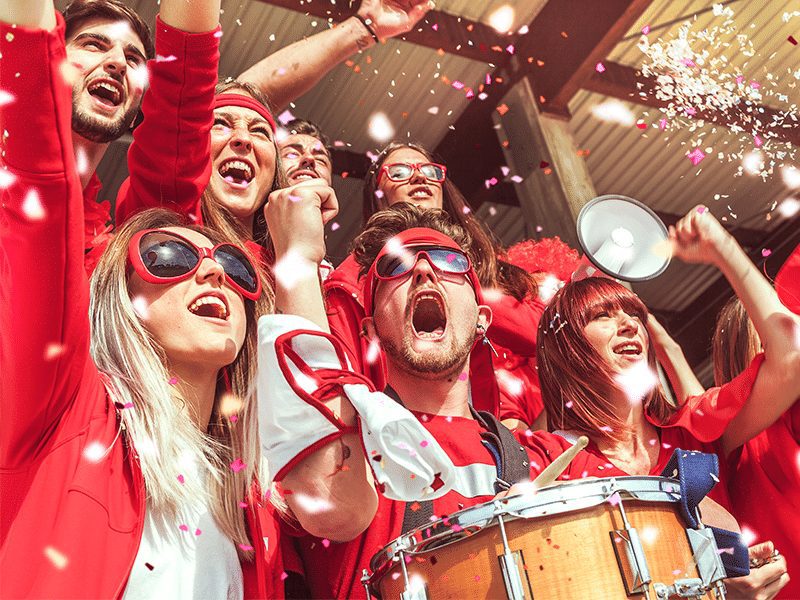
Fans wear jerseys, hats, jackets and other merchandise not just to support a team, but to signal belonging to a larger community. Those colors can create an instant connection between complete strangers, whether they’re sitting together in a stadium or meeting thousands of miles from home.
Strong sports brands understand this connection.
Color helps:
Build team identity
Strengthen fan loyalty
Increase merchandise recognition
Create emotional connections
Distinguish teams from competitors
This is one reason why professional sports organizations carefully manage and protect their color standards.
Team Colors Are More Strategic Than They Appear
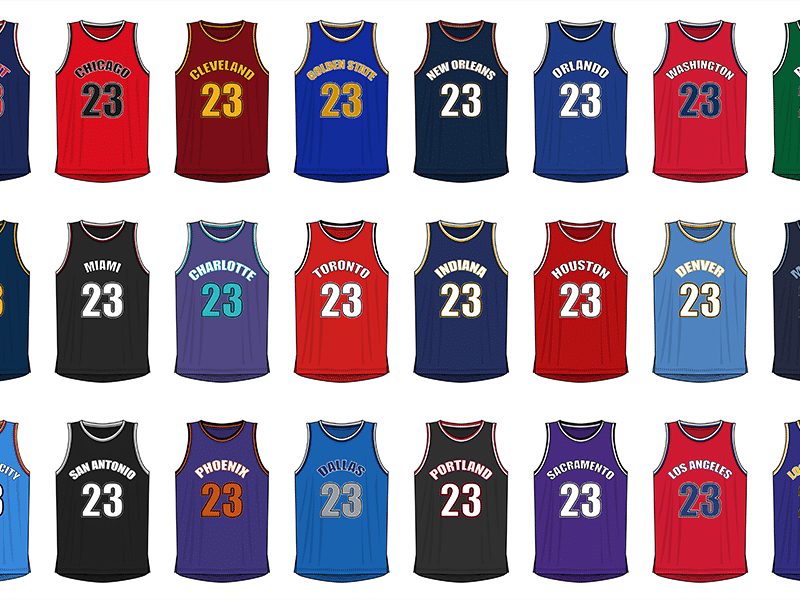
As a color management company, we were excited to discover Team Color Codes, a website that catalogs official team colors using Pantone, HEX, RGB and CMYK values.
A quick look across professional and collegiate sports reveals that color choices are rarely random.
Some teams use colors that reflect regional identity, while others deliberately choose combinations that help them stand apart from nearby competitors.
Atlanta Teams
Atlanta Falcons (NFL): red and black
Atlanta Hawks (NBA): red and black
Atlanta Braves (MLB): blue and red
New York Teams
New York Islanders (NHL): blue and orange
New York Knicks (NBA): blue and orange
New York Mets (MLB): blue and orange
New York Giants (NFL): blue and red
New York Rangers (NHL): blue and red
Seattle Teams
Many Seattle sports teams feature variations of blue and green, reinforcing a recognizable regional identity.
These examples show how sports colors help balance two objectives:
Creating a unique team identity
Building connections to a city, state, school or region
Sports Team Colors Extend Beyond the Uniform
Team colors influence much more than jerseys.
Today’s sports brands use color across virtually every touchpoint, including:
Uniforms
Footwear
Helmets
Fan apparel
Signage
Social media graphics
Stadium branding
Retail merchandise
Promotional materials
Many organizations also encourage fans to participate in color-themed events.
Examples include:
White-Out games
Black-Out games
Gold-Out games
Stripe-Out stadium events
In some stadiums, fans are assigned specific colors based on their seating sections, creating dramatic visual effects across the crowd.
These experiences demonstrate the powerful role color plays in fan engagement.
When Team Colors Become Confusing
Not all team colors are unique.
In fact, many sports leagues feature multiple teams with remarkably similar color palettes.
This becomes particularly noticeable when two teams with similar colors play each other.
For passionate fans, accidentally wearing the wrong shade of blue, red or orange on game day can be an uncomfortable experience.
Consider just a few examples from college athletics:
Big East Conference
Many schools use dark blue as a primary color, including:
Butler
Creighton
DePaul
Georgetown
Marquette
Seton Hall
Villanova
Xavier
ACC
Several schools rely heavily on red:
Boston College
Louisville
NC State
Others prominently feature orange:
Syracuse
Clemson
Miami
Virginia
Big Ten
Many programs incorporate shades of red or blue into their uniforms, increasing the potential for overlap.
While official color specifications may differ significantly, casual observers often struggle to distinguish subtle variations.
This highlights an important reality:
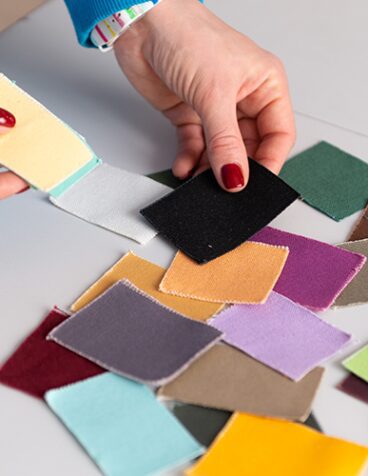
Color differences that seem obvious to designers and manufacturers may not be obvious to consumers.
Why Consistent Team Colors Matter
For sports organizations, consistency is often more important than the specific color itself.
Fans expect official merchandise, uniforms and branding materials to match the team’s established identity.
When colors vary between products, the inconsistency becomes noticeable.
Maintaining consistent team colors is more challenging than it appears because sports products often involve multiple materials and manufacturing processes.
A single team’s visual identity may need to be reproduced across:
Jerseys
Shorts
Socks
Footwear
Helmets
Protective equipment
Mascot costumes
Fan merchandise
Field graphics
Arena signage
Each material interacts with color differently.
A color that appears correct on polyester fabric may look different on:
Plastic
Leather
Rubber
Coated metal
Painted surfaces
This makes color consistency a significant manufacturing challenge.
The Science Behind Consistent Sports Apparel Colors
Achieving consistent team colors requires more than visual approval.
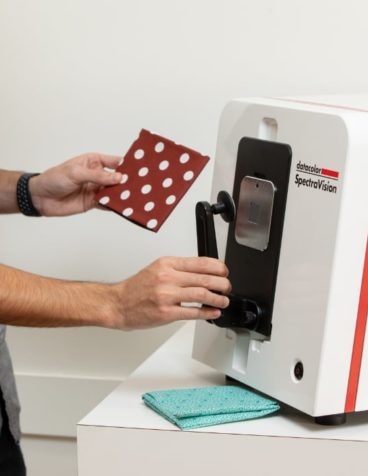
Manufacturers increasingly rely on digital color management tools to ensure colors remain consistent across products, materials, suppliers and production facilities.
Consider everything that must match a team’s official colors:
On the Field
Jerseys
Helmets
Footwear
Equipment
Mascot uniforms
In the Stands
Hats
Sweatshirts
Scarves
Flags
Fan apparel
Around the Venue
Field markings
Court graphics
Banners
Advertising materials
Digital displays
Even minor inconsistencies become much more visible when thousands of fans gather in one place.
What may seem like a small color difference on an individual product can become obvious at stadium scale.
This is why color control is a critical part of sports apparel manufacturing and brand management.
What Sports Apparel Manufacturers Can Learn from Color Science
Whether producing professional uniforms, collegiate apparel or licensed fan merchandise, color consistency helps protect team identity and strengthen brand recognition.
Accurate color communication, standardized workflows and objective measurement help ensure that official team colors remain consistent regardless of:
Supplier
Production location
Material type
Season
Product category
For fans, consistent color reinforces team pride.
For manufacturers, it reduces risk, improves efficiency and supports product quality.

 Want to Get Color Right?