How Color Perception Shapes Customer Experience Across Industries
Color perception plays a major role in customer experience. From food and fashion to automotive design, entertainment, packaging, and cosmetics, color influences how people interpret quality, recognize brands, and connect with products emotionally. In many industries, color becomes part of the experience itself, shaping expectations before a product is even touched, tasted, or used.
Behind every successful color experience lies a deeper challenge: maintaining color consistency across materials, suppliers, lighting conditions, and production environments. For brands and manufacturers, color is not simply a creative decision. It is closely tied to customer trust, product identity, and quality control. That is why industries increasingly rely on color management software and digital workflows to help maintain consistency across the customer experience.

Why Color Perception Influences Food Experiences
Color strongly influences how people respond to food and beverages. A vibrant drink, colorful dessert, or visually striking package can attract attention before the first taste. In a social media-driven culture, appearance often becomes part of the overall customer experience.
But color perception in food is not only about novelty. Consumers associate color with freshness, flavor, and quality. Even small variations can influence perception and affect confidence in a product. That is why color consistency across packaging, branding, and presentation is essential for recognition and trust.
For food manufacturers and packaging teams, maintaining consistent appearance across production runs becomes part of protecting brand identity.
How Color Shapes Emotion in Entertainment and Media
In film, television, gaming, and digital media, color is a powerful storytelling tool. Palettes help create atmosphere, guide attention, and influence emotion. A scene can feel warm, tense, nostalgic, or futuristic depending on how color is used.
Studios and designers often use carefully planned color palettes to support narrative flow and emotional tone. Pixar’s well-known “color scripts” are one example of how visual palettes help shape audience perception. Beyond entertainment, the same principles influence branding, advertising, and product presentation, where color psychology helps communicate personality, quality, and value.
Color perception directly shapes how audiences emotionally connect with experiences.

How Automotive Color Shapes Customer Perception
Automotive color is closely connected to identity and customer perception. A vehicle’s finish can communicate luxury, performance, sustainability, or boldness. Consumers often associate certain colors with lifestyle, personality, and emotional preference.
For manufacturers, however, automotive color creates major technical challenges. Paint must appear consistent across curved surfaces, different materials, and changing lighting conditions. Without strong color management solutions, even iconic shades can lose their intended visual impact across production environments.
Maintaining automotive color consistency is not only a design challenge, but also part of maintaining the customer experience itself.

Why Fashion Relies on Color Perception and Consistency
Fashion has always been strongly influenced by color trends. A single hue can define a season, shape collections, and influence consumer expectations. Color perception in fashion helps create identity, mood, and cultural relevance.
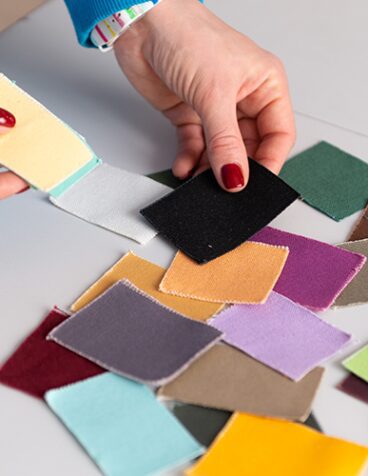
Managing fashion color, however, is highly complex. Fabrics, trims, coatings, and synthetic materials all reflect color differently. Global sourcing adds another layer of difficulty, especially when suppliers must reproduce approved colors consistently across regions.
That is why fashion brands increasingly depend on digital color workflows and standardized color communication to maintain design intent, accelerate approvals, and reduce costly rework.
Why Color Consistency Matters Across Industries
Whether color appears on packaging, cosmetics, textiles, vehicles, or digital campaigns, people naturally form expectations around it. When color is consistent, products feel intentional and reliable. When it is inconsistent, even subtly, it can create uncertainty around quality and brand perception.
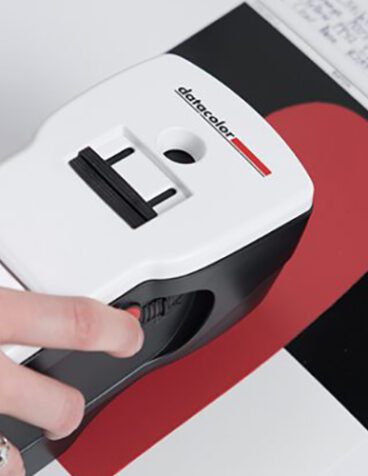
That is why color perception and color consistency are becoming increasingly important across industries. Brands rely on spectrophotometers, digital workflows, and standardized evaluation processes to help measure, communicate, and control color more precisely.
Color may begin as an emotional experience, but in production it becomes a process that depends on accuracy, repeatability, and control.

Color Perception Is More Than Aesthetic
Color attracts attention, shapes emotion, and influences decisions. It helps consumers recognize brands, understand products, and connect with experiences. But for companies that depend on color, the challenge is not only choosing the right shade, it is reproducing that shade consistently across suppliers, materials, and production environments.
Color perception exists at the intersection of culture, psychology, design, and manufacturing. The more central color becomes to customer experience, the more important it becomes to manage it with consistency and precision.
By Ekaterina Garber
Want to learn more about the influence of color? Read the other posts in this series:



 Want to Get Color Right?