Color influences how we perceive products, brands, environments and even each other. It affects purchasing decisions, product quality, safety and communication—often without us realizing it.
While color science can be highly technical, some of the most fascinating lessons about color come from everyday life. From the way our brains interpret color to the role color plays in manufacturing, design, transportation and consumer behavior, there is much more to color than meets the eye.
To celebrate everyone who works with color—and everyone inspired by it—here are 18 surprising facts about color.

1. Color Can Influence Spending Decisions
Research has shown that color can influence how consumers perceive products, brands and value.
Everything from packaging design to retail environments uses color strategically to attract attention and shape purchasing behavior.
This is one reason why color consistency is so important for brands. Small color variations can affect how products are perceived and whether they align with brand expectations.
2. White Is Consistently One of the World’s Most Popular Car Colors
While color preferences vary by region and year, white consistently ranks among the most popular vehicle colors globally.
Manufacturers often favor neutral colors because they have broad consumer appeal and can help maintain resale value.
Maintaining consistent color across automotive interiors and exterior components requires precise color measurement and quality control.
Learn more in color precision in automotive interiors and why color accuracy is a competitive edge in automotive interiors.
3. Airlines Use Color to Reinforce Brand Identity
Many airlines use distinctive colors throughout uniforms, cabin interiors, marketing materials and airport signage.
Consistent color helps strengthen brand recognition and improve the customer experience across multiple touchpoints.
4. Color Can Influence How Products Are Perceived
Studies have shown that consumers often associate colors with certain product characteristics.
Examples include:
- Blue with trust and reliability
- Green with sustainability and nature
- Black with luxury and sophistication
- Red with energy and urgency
This is one reason color selection plays such a critical role in product development and branding.
5. Humans Can Distinguish Millions of Colors
The human visual system can distinguish millions of color variations.
This ability comes from cone cells in the retina that respond to different wavelengths of visible light.
Learn more in the science of how we see color and the role of rods and cones in color perception.
6. We Don’t All See Color the Same Way
Although most people perceive colors similarly, color perception is not identical from person to person.
Differences in age, physiology, environment and experience can influence how colors appear.
This is why two people can look at the same object and disagree about its color.
7. Lighting Has the Biggest Impact on Color Perception
The color of an object depends on the light reflected from its surface.
Change the lighting, and the perceived color can change too.
This is why a paint color may look different in a showroom than it does at home, or why a textile sample may appear different under daylight and LED lighting.
Learn more in what you need to know about light sources and color evaluation and how different light sources impact color.
8. Your Age Can Affect the Colors You See
As we age, changes in the eye can affect color perception.
The lens gradually yellows over time, which can make some colors—particularly blue tones—appear less vivid.
This is one reason why visual color evaluation alone can be inconsistent.
9. Certain Medications Can Affect Color Vision
Some medications can temporarily affect color perception and color discrimination.
These effects may be subtle, but they demonstrate that color perception is influenced by biology as well as physics.
10. Memory Influences Color Perception
Color perception involves both the eyes and the brain.
People often associate familiar objects with expected colors. For example, most people expect bananas to be yellow and grass to be green.
These expectations can influence how colors are perceived and described.
11. Mood Can Influence Visual Perception
Research suggests that mood may influence aspects of visual perception, including contrast sensitivity and color interpretation.
Although these effects are often subtle, they further demonstrate that human color perception is not entirely objective.
12. Background Colors Can Change How a Color Appears
A color can look dramatically different depending on the colors surrounding it.
This effect, known as simultaneous contrast, is one reason why standardized viewing conditions are important in color-critical industries.
Learn more in Munsell in light booth backgrounds.
13. Altitude May Affect Color Perception
Research suggests that high-altitude environments can influence visual performance because of reduced oxygen levels.
While most people will never notice these effects, they highlight the many variables that influence how humans perceive color.
Learn more in 8 factors that influence the way you see colors.
14. Color Plays a Critical Role in Safety
Many safety systems rely on color to communicate information quickly.
Examples include:
- Traffic lights
- Stop signs
- Warning labels
- Emergency equipment
- Industrial safety markings
Consistent color is essential because people rely on these visual cues every day.
15. Color Consistency Is a Quality Indicator
Consumers often associate color consistency with product quality.
When colors vary between batches, products may appear defective—even when functionality is unaffected.
This is why industries such as textiles, automotive, coatings, cosmetics and plastics invest heavily in color quality control.
Learn more in color management and quality products.
16. Mathematics Helps Us Define Color Objectively
Humans see color subjectively, but manufacturers need objective standards.
Color spaces such as CIELAB allow organizations to define colors mathematically and communicate them consistently across locations and suppliers.
Learn more in what CIELAB is and color systems: CIELAB and CIE2000.
17. Spectrophotometers Help Remove Subjectivity
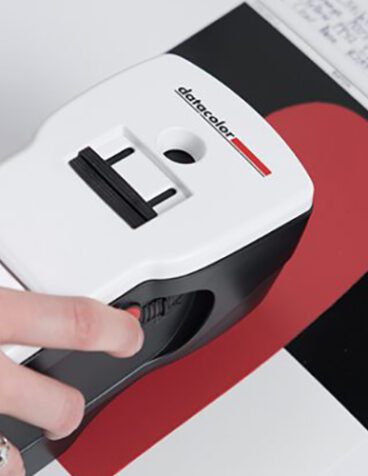
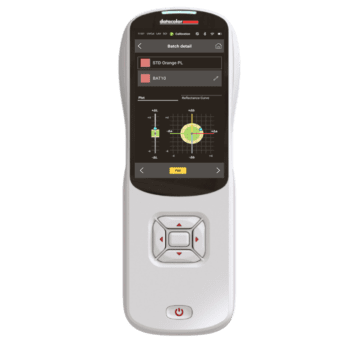
Because human perception varies, many industries rely on spectrophotometers to measure color objectively.
These instruments generate numerical color data that can be shared across global supply chains.
This helps improve:
- Color accuracy
- Supplier alignment
- Quality control
- Repeatability
- Reproducibility
Learn more in using a spectrophotometer for color measurement.
18. More Industries Depend on Color Than You Might Expect
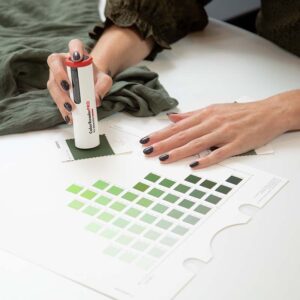
When people think about color management, they often think of textiles, apparel, paint or plastics.
However, many other industries depend on accurate color as well, including:
- Cosmetics
- Food packaging
- Building materials
- Automotive interiors
- Consumer electronics
- Decorative surfaces
- Paper and printing
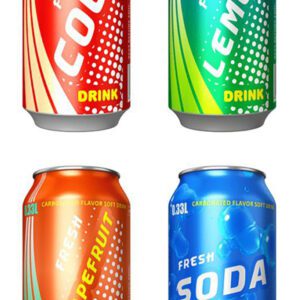
Across all of these industries, color consistency supports product quality, customer satisfaction and brand integrity.
Why Color Science Matters
Many of these facts highlight the same reality: color is far more complex than it appears.
Lighting, human perception, material properties and environmental conditions all influence how colors are seen and evaluated.
For organizations that depend on accurate color, understanding these fundamentals is the first step toward improving quality, reducing waste and creating more consistent products.
Explore More Color Science Resources
Want to Learn More About Color?
Want to learn more about color management, color measurement and color science? We’re always happy to help.
Connect with Our Color Experts!


 Want to Get Color Right?