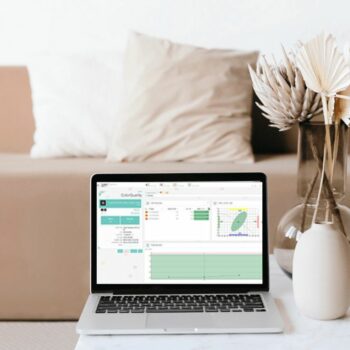
A spectrophotometer replacement
is rarely a simple equipment change. For manufacturers with years of approved color standards, customer specifications and production history, replacing a trusted color measurement instrument can introduce real business risk. The new system must be accurate, reliable and easy to use, but it must also support continuity across existing workflows.
That was the challenge facing a global thermoplastics manufacturer that needed to replace an aging spectrophotometer fleet. The instruments had served the company well for many years, delivering the precision needed for demanding color applications. But as the technology became obsolete, the manufacturer needed a modern solution that could protect existing standards while improving the overall color management process.
After evaluating available options, the company selected Datacolor technology for its spectrophotometer replacement strategy. The decision was based on more than instrument performance. It was about minimizing transition risk, maintaining confidence in color data and supporting long-term quality control.
Why Spectrophotometer Replacement Requires Careful Planning
Many manufacturers depend on color standards that were created years, or even decades, ago. These standards may be tied to customer approvals, regulated applications or highly specific product requirements. When an older instrument reaches the end of its useful life, the replacement process must be handled carefully.
The thermoplastics manufacturer needed a solution that could work with both its legacy instrument fleet and its new color measurement system during the transition. This was especially important because some standards were unique and had been measured long before the replacement project began.
A successful spectrophotometer replacement should answer several key questions:
- Will existing standards remain usable?
- Can old and new instruments produce consistent results?
- How much process change will operators experience?
- Will the new system improve speed and ease of use?
- Is expert support available during the transition?
- Can the new solution support future color management needs?
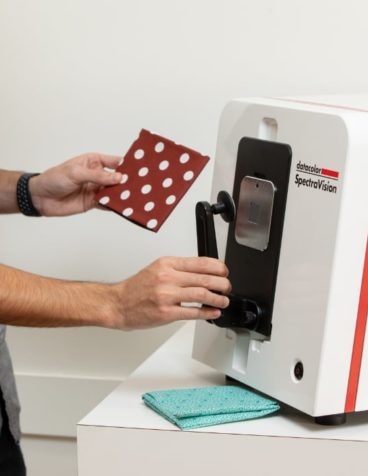
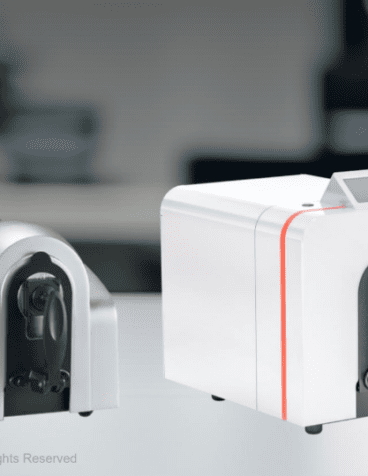
Datacolor’s benchtop spectrophotometers are designed to support high-precision color measurement, formulation, communication and quality control in demanding industrial workflows.
Inter-Instrument Agreement Helps Reduce Transition Risk
One of the most important factors in a spectrophotometer replacement project is inter-instrument agreement. When multiple instruments are used across labs, plants or regions, they must measure color consistently. If the new instrument does not align closely with existing equipment, teams may face disputes, rework and uncertainty around historical standards.
For this manufacturer, maintaining strong agreement with existing equipment was essential. Datacolor’s advanced sensor technology helped support a smoother transition by reducing the need for extensive profiling and helping preserve confidence in measurement results.
This matters because color management is built on trust in the data. When teams believe the numbers, they can make faster and more confident decisions. When instruments disagree, color approval becomes slower, more subjective and more difficult to scale.
For a deeper technical explanation, read Datacolor’s article on why inter-instrument agreement matters. You can also explore how instrument profiling supports accurate color data during instrument transitions.
Faster Measurement and Easier Operation
A successful spectrophotometer replacement should not only preserve accuracy. It should also improve the user experience.
The Datacolor solution demonstrated precise results on important colors for the manufacturer’s application areas. It also provided a more straightforward workflow for operators, including those who were newer to the system. Faster measurement speed and easier operation helped the team measure color more efficiently and reduce friction in day-to-day quality control.
This type of improvement can have a meaningful impact across a manufacturing environment. When operators can measure samples quickly and confidently, color data becomes easier to capture, share and act on. That supports better communication between quality teams, production teams and technical stakeholders.
Global Support Makes the Change Easier
Technology is only one part of a successful spectrophotometer replacement. The transition also depends on planning, training and support.
For this thermoplastics manufacturer, Datacolor’s support team was a deciding factor. The company needed a partner that could dedicate time and attention to the details of the transition. That support helped make the move to a new color measurement instrument smoother and more manageable.
This is especially important for global manufacturers. A change in color measurement technology can affect multiple sites, teams and workflows. Without consistent implementation, one location may follow a different process than another, creating unnecessary variation.
A reliable support structure helps ensure that teams understand the new system, apply measurement procedures consistently and maintain confidence after the transition. Datacolor’s article on instrument calibration in global color workflows explains why consistent calibration practices are also critical for reliable color measurement across locations.
What to Consider Before Replacing an Obsolete Spectrophotometer
When a trusted instrument becomes obsolete, it can be tempting to delay replacement as long as possible. But waiting too long can increase risk. Service limitations, parts availability, software compatibility and inconsistent measurement performance can all affect the reliability of a color management process.
Before starting a spectrophotometer replacement project, manufacturers should evaluate:
- Current instrument condition and serviceability
- Compatibility with historical color standards
- Agreement between legacy and new instruments
- Software and workflow integration
- Calibration and maintenance requirements
For additional guidance, Datacolor’s article on when to replace your spectrophotometer outlines key reasons to consider a trade-in or replacement.
From Good to Great in Color Management
A spectrophotometer replacement is more than a move from old equipment to new technology. It is an opportunity to strengthen the entire color management process.
For this global thermoplastics manufacturer, replacing an aging spectrophotometer fleet required a solution that could maintain measurement confidence, support existing standards and make the transition as smooth as possible. Datacolor’s spectrophotometer technology, combined with strong inter-instrument agreement and expert support, illustrates how manufacturers can modernize their color measurement process while protecting long-established color standards.
Reliable instruments eventually reach the end of their useful life. But with the right replacement strategy, manufacturers can protect what already works while improving speed, consistency and confidence for the future.
If your organization is planning a color measurement transition, explore Datacolor’s benchtop spectrophotometer solutions or connect with a color expert to discuss the best path forward.
Related Readings:
When Your Trusted Instrument Comes To The End of Its Life, How Do You Move Forward?


 Want to Get Color Right?