Light sources have a direct impact on how color is perceived, evaluated and approved. A product may look correct under one light source and visibly different under another. For brands, manufacturers and suppliers, this can lead to inconsistent approvals, customer complaints, rework and supply chain disputes.
That is why light source control is a critical part of color management. Whether you work in textiles, paint and coatings, plastics, automotive interiors, cosmetics or packaging, color evaluation should take place under defined and repeatable lighting conditions.
A strong color workflow does not rely on visual judgment alone. It combines objective color measurement, controlled visual evaluation, agreed illuminants, clear standards and properly equipped light booths across the supply chain.
For broader context, see Digital Color Management and 5 Steps for an Effective Color Quality Control Program.
Why Light Sources Matter in Color Evaluation
Color is not only a property of the object being viewed. It is also affected by the light illuminating that object.
When a light source changes, the perceived color can change too. This is one reason color evaluation becomes subjective when viewing conditions are not controlled. A sample may look acceptable in a laboratory, different in a retail store and different again in daylight or office lighting.
In global supply chains, this creates significant risk. If designers, suppliers, mills, laboratories, factories and retailers evaluate color under different light sources, they may reach different conclusions about the same sample.
Uncontrolled lighting can lead to:
- Inconsistent color approvals
- Unnecessary lab dip rounds
- Supplier disputes
- Delayed production
- Product mismatches
- Visible color differences at retail
- Poor brand consistency
- Customer dissatisfaction
For a reliable workflow, the light source used for color development and approval should be defined early and communicated clearly to every partner.
For related guidance, see Light Booths for Color Assessment and Best Conditions for Accurate Color Data.
What Is Color Temperature?
Color temperature describes the appearance of a light source and is expressed in degrees Kelvin, or K.
Lower color temperatures appear warmer, more yellow or more red. Higher color temperatures appear cooler, more blue or more white. For example, a 3,000K light source usually appears warmer than a 6,500K light source.
Color temperature helps group light sources into similar visual families, but it does not tell the full story. Two light sources may have the same color temperature but different spectral power distributions, meaning they can still affect color appearance differently.
This is why color evaluation should be based on defined light sources or standard illuminants, rather than color temperature alone.
Common Fluorescent Light Sources and Color Temperature
Historically, many fluorescent light sources were identified by generic names rather than color temperature. Today, these light sources are commonly associated with approximate color temperature values.
| Light Source Name |
Approximate Color Temperature |
| CWF / CIE F02 |
4,150K |
| WWF / TL83 / U30 |
3,000K |
| TL84 / CIE F11 |
4,100K |
| TL835 / SPX / U35 |
3,500K |
These values help teams understand the general appearance of the light, but they should not replace a clear lighting specification in the color approval process.
If a brand requires evaluation under TL84, CWF, D65 or another defined light source, suppliers should use that specific source in a calibrated and properly maintained light booth.
For more on controlled visual evaluation, see What Is Metamerism? and Light Booths for Color Assessment.
Common Types of Light Sources Used in Color Evaluation
Several light source types are used in color evaluation and product development. Each one can affect color appearance differently.
Incandescent and Tungsten Filament Light Sources
Incandescent and tungsten filament lamps produce light when electricity passes through a filament, causing it to glow.
These light sources tend to appear warm, often yellowish or reddish. They were historically common in many environments, but they are less common today because they generate significant heat and consume more energy than modern alternatives.
Quartz halogen lamps also fall into this general category. They can provide a more stable output over time and may be used when a warm, yellow-red source is required for evaluation.
Fluorescent Light Sources
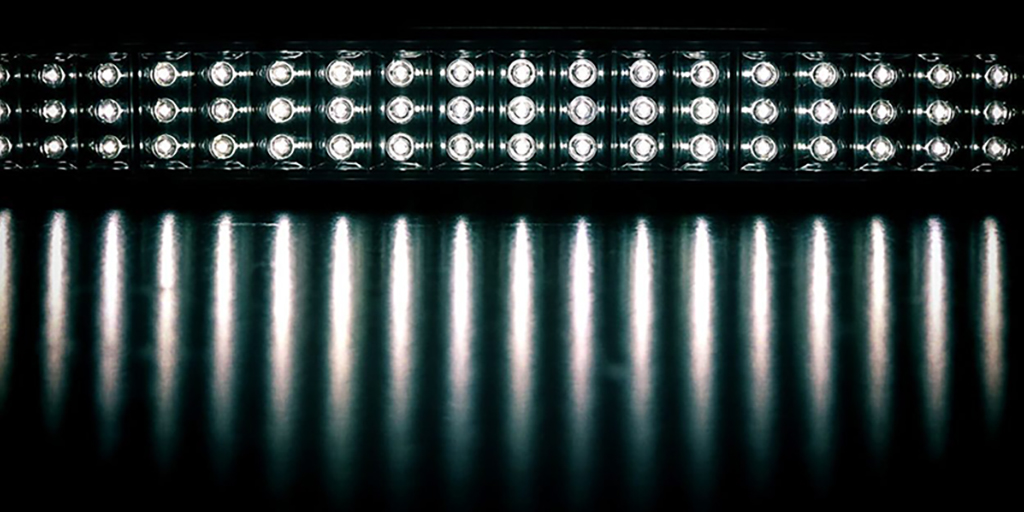
Fluorescent light sources produce light when electrical energy is applied to a glass tube containing mercury and phosphor compounds.
Manufacturers can adjust the phosphors in the lamp to produce different color temperatures and spectral characteristics. This is why fluorescent sources such as CWF, TL84 and U30 are commonly used in color evaluation workflows.
Fluorescent lighting remains important because many retail, office and production environments have historically used it. However, as lighting environments shift toward LEDs, companies need to evaluate whether their color approval process still matches the conditions in which products are sold or used.
LED Light Sources
LEDs are now common in retail, office, home and industrial environments.
LED lighting is energy efficient, widely available and increasingly used in commercial spaces. However, LED light sources can vary significantly in spectral output. Two LEDs with a similar color temperature may not render colors in the same way.
This creates a challenge for color evaluation. If products are sold under LED lighting but developed and approved under older fluorescent or incandescent sources, the final color may not look as expected at retail.
To support consistency, brands and manufacturers should evaluate whether their color development light sources align with the LED lighting conditions customers will experience.
For more on this shift, see LED Light Booths and LED Lighting.
Ultraviolet Light and Optical Brighteners
Ultraviolet light is not visible to the human eye, but it can strongly affect how certain materials appear.
UV energy is present in natural daylight. It can activate optical brightening agents, fluorescent dyes and fluorescent pigments. When these materials absorb UV energy, they may emit visible light, making whites appear brighter or fluorescent colors appear more vivid.
This is especially important for:
- White textiles
- Paper
- Fluorescent colors
- Materials treated with optical brighteners
- Packaging
- Detergents and consumer products
- Safety and high-visibility materials
If UV content is not controlled during measurement or visual evaluation, two teams may see or measure different results. This is why UV conditions should be defined in both instrumental and visual workflows.
For more on fluorescent materials, see How to Evaluate Fluorescent White Materials and Understanding Paper Brightness.
What Happens When a Light Source Changes?
Changing a light source can significantly affect how color standards, samples and existing products appear.
This matters because color standards may have been developed under one lighting condition, while products are later sold, used or evaluated under another. A change in lighting can make a previously acceptable color appear too red, too yellow, too blue, duller or brighter.
Light source changes can create two major issues:
Both can affect approval decisions, product consistency and customer perception.
What Is Flare?
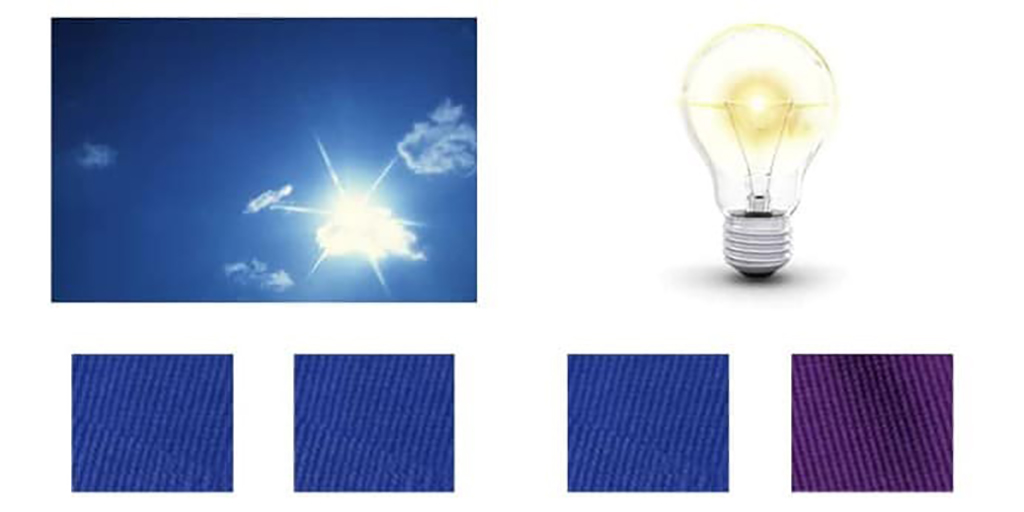
Flare is a change in the appearance of a single material when it is viewed under different light sources.
A material may shift in hue, chroma or lightness when the lighting changes. For example, a fabric may appear neutral under one source but warmer or cooler under another.
The material itself has not changed. Its appearance has changed because the spectral characteristics of the light source are different.
If teams are not aware of flare, they may incorrectly judge a sample as off-color or approve a product that later appears different in the intended selling or use environment.
What Is Metamerism?
Metamerism occurs when two samples match under one light source but no longer match under another.
This usually happens when the samples have different spectral reflectance curves but create a similar visual response under one lighting condition. When the light source changes, the underlying differences become visible.
Metamerism is especially important when a product combines different materials, such as:
- Textile and plastic
- Leather and vinyl
- Fabric and thread
- Paint and trim
- Packaging and labels
- Automotive interior components
- Coatings and substrates
For example, two automotive interior components may appear aligned in a laboratory but mismatch in daylight or showroom lighting. A garment fabric and zipper may match under TL84 but look different under LED retail lighting.
For deeper guidance, see What Is Metamerism? and How Gloss Impacts Color Measurement and Matching.
Why Stakeholders Should Be Involved in Light Source Decisions
A light source change affects more than the color laboratory.
Lighting decisions can influence design intent, supplier capability, product development, customer experience and final product quality. That is why key stakeholders should be involved before a new light source is introduced.
For a textile or apparel brand, relevant stakeholders may include the following groups.
Designers
Designers need to understand whether a new light source changes the appearance of the color palette, material selection or overall aesthetic of the final product.
Their input is essential for preserving the original creative intent while ensuring that selected colors remain suitable under the intended lighting conditions.
Merchandisers
Merchandisers should evaluate whether seasonal color palettes still work together under the new source.
Individual colors may flare in different directions, potentially changing how the complete product collection appears at retail.
Color Teams
Color teams are generally responsible for implementing the global color management workflow and ensuring that light source requirements are applied consistently.
They should define evaluation procedures, communicate requirements and verify that internal teams and suppliers use the correct lighting conditions.
Suppliers
Suppliers need to know which light source to use, how standards should be evaluated and whether their existing equipment must be updated.
Consistent supplier implementation is essential. If vendors use different sources, even clearly defined digital and physical standards may produce inconsistent visual decisions.
Color Evaluators
Anyone who visually evaluates color should have access to a properly maintained light booth equipped with the required source.
The relevant illuminant data should also be available in the color management software used to calculate color differences.
Customers
The final customer experience should remain central to the decision.
If products are sold in LED-lit stores, displayed under warm residential lighting or used outdoors, the color evaluation workflow should account for those environments.
The selected light source should help products look as intended where customers will actually see and use them.

For supplier workflows, see What You Need to Know About Vendor Empowerment and How to Build an Effective Color Program.
How to Implement a New Light Source
A new light source should be implemented through a clearly defined and coordinated plan.
Without proper preparation, teams may discover problems with flare, metamerism, equipment compatibility or supplier alignment too late in the development process. A proactive approach helps identify and resolve these issues before they affect production or retail.
1. Define the Timeline
Determine when the transition must be completed and build the implementation plan around that date.
The timeline should allow enough time for testing, equipment updates, supplier communication, training and approval of existing standards under the new light source.
2. Identify Impacted Stakeholders
List every team, supplier and facility affected by the change.
This may include:
- Design teams
- Merchandising teams
- Internal color specialists
- Quality assurance teams
- Production facilities
- Laboratories
- Vendors and suppliers
- Retail or customer experience teams
Each stakeholder may have different requirements, risks and responsibilities that should be addressed before implementation.
3. Select the Right Standard Illuminant
Choose a standard CIE illuminant for color development and quality control that matches as closely as possible to the lighting used in the final selling or use environment.
The selected illuminant should be clearly documented and communicated throughout the supply chain.
4. Equip Light Booths Across the Supply Chain
Make sure light booths within the company and across supplier locations are equipped with matching light sources.
Using the same defined source helps ensure that designers, laboratories, factories and vendors evaluate samples under comparable conditions.
5. Update Color Management Software
Ensure that the corresponding illuminant and light source data are available in the color management software used by internal teams and suppliers.
This allows instrumental color differences to be calculated under the same conditions used for controlled visual evaluation.
6. Evaluate Flare and Metamerism
Test existing standards, seasonal palettes, key materials and multi-component products under the new light source before full implementation.
Pay particular attention to products that combine materials with different dyes, pigments, finishes or substrates.
7. Train Teams and Suppliers
Everyone involved in color evaluation should understand:
- The required light source
- The correct light booth setup
- The approved evaluation procedure
- The relevant instrumental settings
- The updated approval criteria
- The process for reporting color issues
For a deeper rollout process, see How to Implement a New Light Source and How to Have a Successful Rollout of Your New Color Solutions.
Three Approaches to Light Source Transition
Once stakeholders are aligned and the risks have been evaluated, organizations can choose the implementation approach that best fits their business.
Approach 1: Match the In-Store or Final-Use Light Source
If products will be sold in stores, choose a development light source that is identical or very close to the in-store source. Suppliers and vendors should be required to use the same source.
This approach can improve consistency in the retail environment, but it may require:
- New light booth equipment
- Additional testing
- Updated software settings
- Supplier investments
- Changes to existing approval procedures
Approach 2: Choose a Source Close to the Existing One
Select a replacement source that is as close as possible to the light source already used for color development.
This can reduce disruption and limit the amount of redevelopment required. However, two light sources that appear similar may still have different spectral characteristics and may not render all colors identically.
Approach 3: Adjust Standards to Minimize Flare
Rework color standards, dye recipes or pigment systems to reduce changes in appearance across different light sources.
This can create more color-constant products, but it may require significant development work, repeated testing and close supplier coordination.
The right approach depends on factors such as:
- Product type
- Final selling or use environment
- Supplier capability
- Available equipment
- Implementation cost
- Project timeline
- Risk tolerance
Why Light Booths Are Critical for Repeatable Color Evaluation
A light booth provides controlled and repeatable viewing conditions for visual color evaluation.
Industry standards for color viewing booths address factors such as:
- Light quality
- Light intensity
- Evenness of illumination
- Viewing and illumination geometry
- Interior surface color
- Surrounding environmental conditions
Differences in any of these conditions can change how a sample appears and may lead to inconsistent quality decisions.
Using an appropriate light booth helps teams:
- Reduce subjective variation
- Evaluate samples under defined light sources
- Compare standards and production batches consistently
- Identify metamerism before approval
- Support global supplier alignment
- Improve repeatability
- Reduce approval disputes
A light booth should be properly maintained, equipped with the required light sources and used consistently across all relevant locations.
For Datacolor solutions, see Datacolor Lightbooth and Light Booths for Color Assessment.
How Light Source Control Supports Digital Color Management
Digital color management and controlled visual evaluation should work together.
Spectrophotometers provide objective numerical data, but visual review still matters because finished products are ultimately seen by people under real-world lighting conditions.
A strong workflow combines:
- Objective instrumental measurement
- Controlled visual evaluation
- Defined light sources
- Shared digital standards
- Consistent tolerances
- Standardized operating procedures
Light source control supports:
- More accurate visual evaluation
- Better agreement with instrumental data
- Clearer supplier requirements
- Fewer visual disputes
- Stronger customer experiences
- Better color consistency across locations
For objective measurement workflows, see Using a Spectrophotometer for Color Measurement and Best Practices for Measuring Color Samples.
Checklist: Managing Light Sources in Color Evaluation
Before changing or standardizing a light source, use the following checklist to help ensure a smooth transition and consistent color evaluation throughout the supply chain.
- Is the final selling or use environment clearly understood?
- Has the required light source been defined?
- Has the appropriate CIE standard illuminant been selected?
- Are all light booths equipped with matching light sources?
- Has the color management software been updated?
- Are suppliers using the same lighting conditions?
- Have key materials been tested for flare?
- Have critical components been evaluated for metamerism?
- Are designers, merchandisers and color teams aligned?
- Has the customer environment been considered?
- Is the workflow documented in the company’s standard operating procedures?
- Have all teams and suppliers received the necessary training?
How Datacolor Supports Light Source and Color Evaluation Workflows
Datacolor helps brands, manufacturers and suppliers build reliable color evaluation workflows through a combination of instruments, light booths, software and color management expertise.
Relevant Datacolor solutions include:
- Light booths for controlled visual evaluation
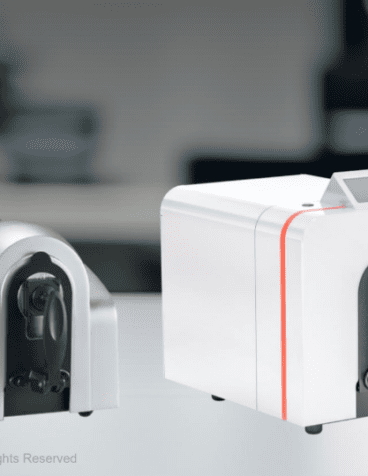
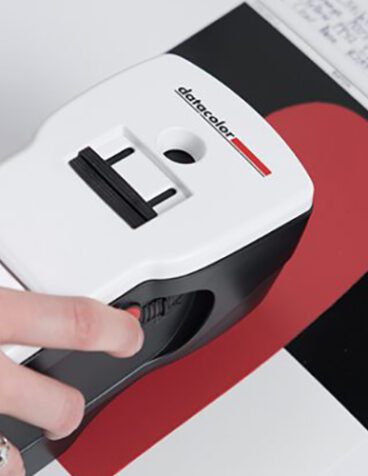
- Spectrophotometers for objective color measurement
- Color quality control software for managing standards and tolerances
- Color formulation software for faster color development
- Professional services that support workflow implementation and supplier alignment
Explore the Datacolor Lightbooth, Datacolor Spectrophotometers, Datacolor Tools, Color Management Software and Assessment Services to create a more consistent and repeatable color workflow.
With the right light source strategy, organizations can improve color consistency, reduce approval risk and create products that look right in the environments where customers actually see them.
Frequently Asked Questions About Light Sources and Color Evaluation
Why do light sources affect color evaluation?
Different light sources have different spectral characteristics. As a result, the same sample can appear warmer, cooler, brighter or duller depending on the lighting conditions used during evaluation.
What is color temperature?
Color temperature describes the visual appearance of a light source and is measured in Kelvin (K). Lower values appear warmer and more yellow or red, while higher values appear cooler and more blue.
Is color temperature enough for accurate color evaluation?
No. While color temperature describes the general appearance of a light source, two light sources with the same color temperature can still render colors differently because of differences in their spectral power distribution.
What is metamerism?
Metamerism occurs when two samples appear to match under one light source but no longer match when viewed under another light source.
What is flare in color evaluation?
Flare is a change in the appearance of a single material when the lighting changes, even though the material itself has not changed.
Why are LEDs important in color evaluation?
LED lighting is now widely used in retail, offices and homes. Products should be evaluated under comparable LED lighting when that reflects the environment where customers will see the final product.
Why does ultraviolet light matter?
Ultraviolet light activates optical brightening agents and fluorescent dyes or pigments, making whites appear brighter and fluorescent colors appear more vivid. Controlled UV conditions are therefore important for accurate color evaluation.
What is a light booth used for?
A light booth provides standardized and repeatable lighting conditions for visual color evaluation, helping teams compare standards and production samples consistently.
How should companies implement a new light source?
Organizations should define a project timeline, involve stakeholders, select the appropriate standard illuminant, update light booths and software, evaluate flare and metamerism, and train internal teams and suppliers before implementation.
Should visual evaluation replace spectrophotometer measurement?
No. The most reliable color management workflows combine objective spectrophotometer measurements with controlled visual evaluation under standardized lighting conditions.
Improve Color Evaluation with Controlled Lighting
Consistent lighting is essential for reliable color decisions. Datacolor’s light booths, spectrophotometers and color management solutions help brands and manufacturers reduce subjectivity, improve supplier alignment and achieve consistent color throughout the supply chain.
Connect with a Datacolor Expert

 Want to Get Color Right?