Accurate color data starts with controlled measurement conditions. Even the best spectrophotometer can produce inconsistent results if temperature, humidity, light exposure, sample condition or instrument stability are not properly managed.
For companies that rely on color quality control, these environmental factors matter. Small changes in measurement conditions can lead to different readings, unclear pass/fail decisions, unnecessary rework and supplier disputes. A controlled setup helps teams measure standards and production samples more reliably.
This is especially important when tolerances are tight or when color data is shared across labs, suppliers and production locations. For a broader foundation, see digital color management and 5 steps for an effective color quality control program.
Why Measurement Conditions Affect Color Data
Spectrophotometers are designed to measure color objectively, but the environment around the instrument still matters.
Temperature, humidity, sunlight, chemical vapors and power stability can all influence measurement accuracy. Samples themselves can also change when environmental conditions shift. Pigments, dyes, coatings, plastics, textiles and paper may respond differently to heat, moisture or storage conditions.
If teams measure a standard under one condition and a production sample under another, the difference in the data may reflect the environment rather than the actual color difference.
This is why accurate color measurement depends on both the instrument and the conditions in which it is used.
For more on measurement fundamentals, see using a spectrophotometer for color measurement and best practices for measuring color samples.
Benchtop vs. Field Measurement Conditions
Field measurement can be useful, but it is harder to control.
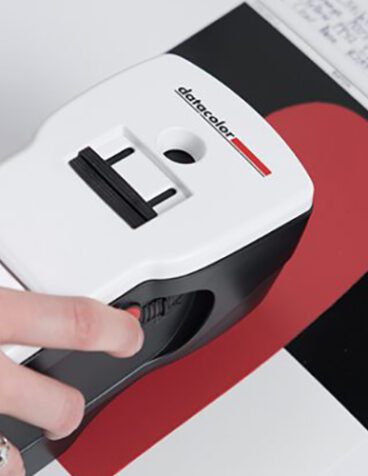
Portable instruments are valuable when samples cannot be moved to a lab or when color needs to be checked on-site. However, field conditions often vary. Temperature, humidity, ambient light, sample placement and surface contamination may be harder to manage.
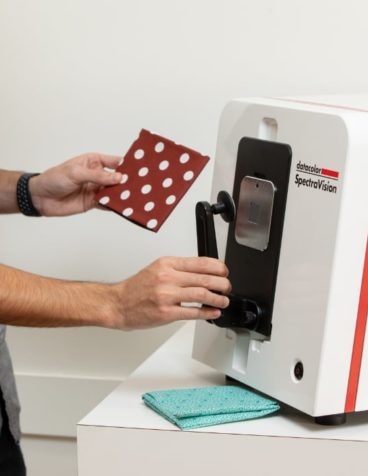
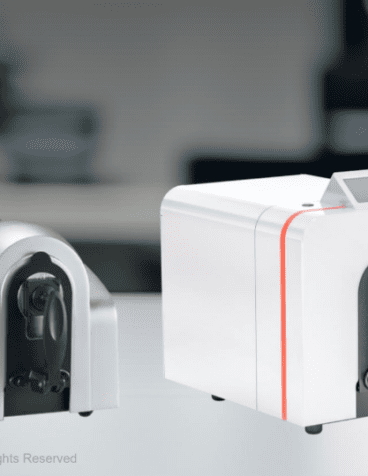
Benchtop spectrophotometers give teams more control over the measurement environment. They are typically used in labs where temperature, humidity, instrument setup and sample handling can be standardized.
This does not mean portable measurement is less valuable. It means the workflow should match the level of accuracy and repeatability required. When color tolerances are tight, controlled lab measurement is usually the safer approach.
For instrument selection, see portable vs. benchtop spectrophotometers and benchtop spectrophotometers.
1. Store and Use Your Spectrophotometer at a Stable Temperature
For accurate color data, store and use your spectrophotometer in a stable temperature range. As a practical guideline, Datacolor recommends using and storing the instrument between 21°C and 25°C.
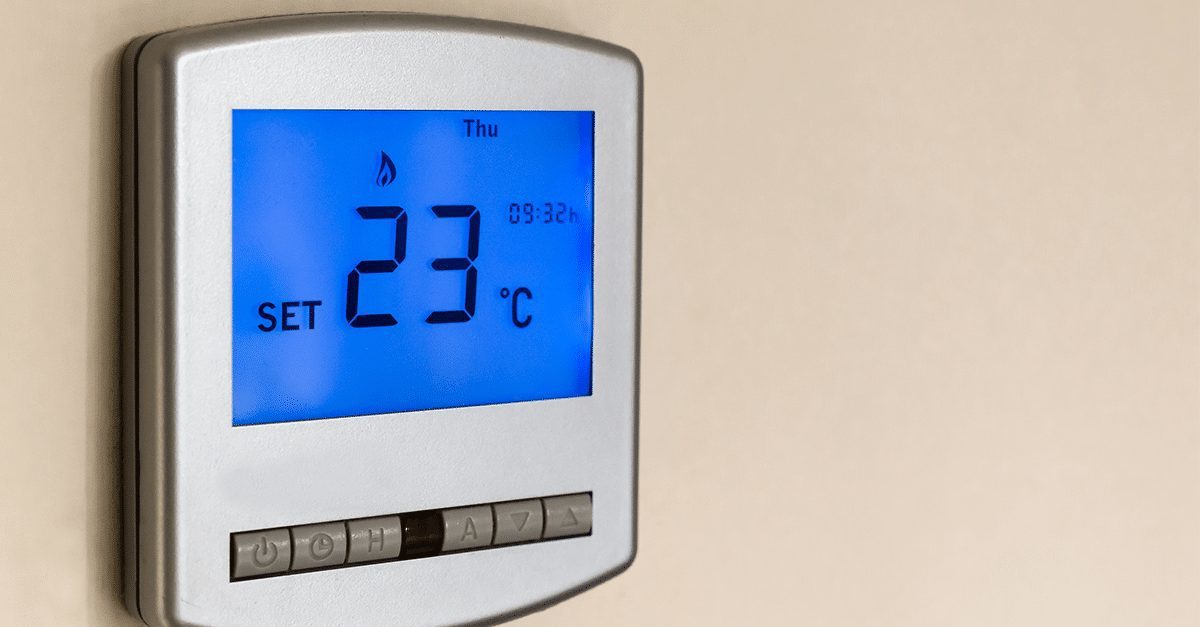
Temperature stability matters because instruments and samples can both be affected by heat or cold. If the instrument temperature changes, readings may become less stable. If the sample temperature changes, the material’s color properties may also shift.
This is especially important in production environments where instruments may be located near doors, windows, ovens, machinery or areas with fluctuating air conditioning.
Best practices:
- Keep the instrument in a temperature-controlled room.
- Avoid placing it near heat sources.
- Avoid sudden temperature changes.
- Allow the instrument and samples to stabilize before measurement.
- Document the recommended operating temperature in your SOP.
For broader quality control setup, see best practices for Delta E tolerance standards.
2. Keep the Instrument Out of Direct Sunlight
Direct sunlight can affect color measurement accuracy, even in a temperature-controlled room.

Sunlight can heat the instrument unevenly and create thermal instability. It can also affect samples before measurement, especially materials that are sensitive to heat, light exposure or fading.
Keep the spectrophotometer away from windows, skylights and direct sun exposure. If the lab has windows, use blinds, shades or controlled lighting to reduce environmental variation.
Best practices:
- Avoid placing the instrument near windows.
- Keep samples out of direct sunlight before measurement.
- Use controlled lab lighting.
- Avoid measuring samples that have recently been exposed to intense heat or light.
- Store physical standards in a protected environment.
For related guidance, see what you need to know about light sources and color evaluation and light booths for color assessment.
3. Keep Power Conditions Stable
Continuous power can help reduce thermal drift during instrument warm-up.
When an instrument is turned on, internal components may need time to reach stable operating conditions. If measurements are taken before the instrument has stabilized, results may be less consistent.
Whenever possible, allow continuous power to the instrument or follow the manufacturer’s recommended warm-up procedure before measurement.
Best practices:
- Avoid frequent power cycling.
- Allow the instrument to warm up before use.
- Follow manufacturer warm-up and calibration guidance.
- Document startup procedures in the measurement SOP.
- Recalibrate after power interruptions if required.
Stable power and a consistent startup process help teams reduce variation and improve repeatability.
For more on repeatable measurement workflows, see keys to reliable digital color communication and why inter-instrument agreement matters.
4. Maintain Stable, Non-Condensing Humidity
Humidity can affect both instruments and samples.
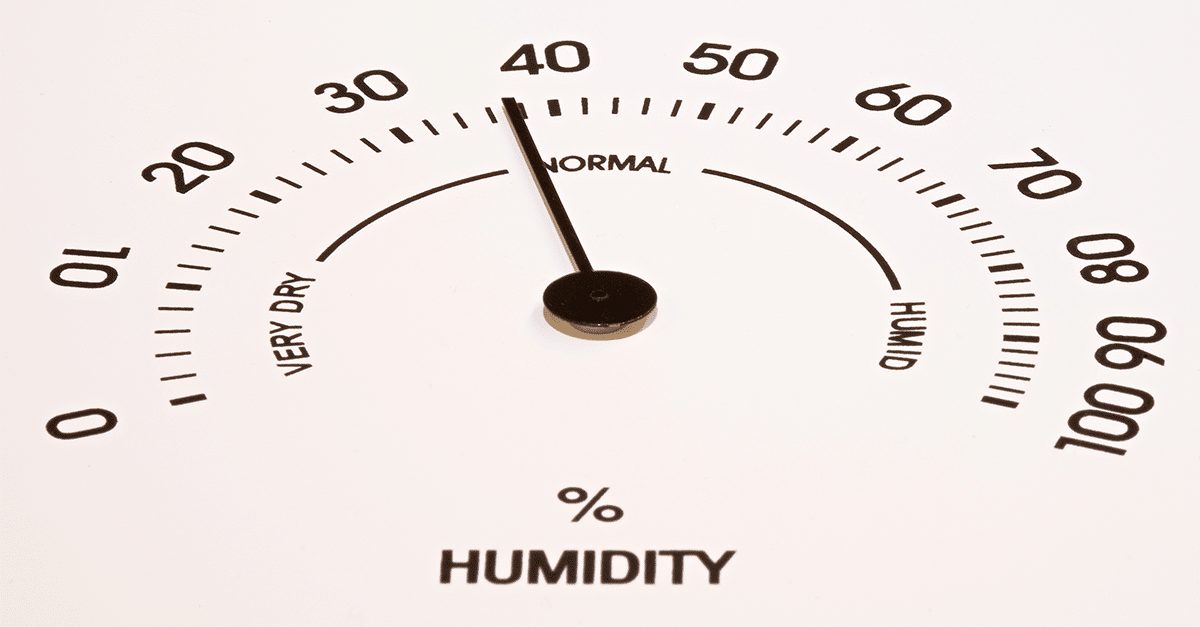
Datacolor recommends maintaining non-condensing, stable humidity between 20% and 85%. The key word is stable. Even when humidity stays within an acceptable range, sudden changes can affect certain materials and measurement conditions.
Moisture-sensitive samples may absorb or release water depending on the environment. This can affect appearance, surface condition, weight, texture or optical properties. Paper, textiles, powders, coatings and some plastics may be especially sensitive.
Best practices:
- Maintain stable humidity in the measurement area.
- Avoid condensation.
- Condition samples before measurement.
- Store standards and samples properly.
- Document humidity requirements in the SOP.
- Remeasure standards if environmental conditions change significantly.
For more on sample preparation, see sample conditioning for digital color measurement and best practices for measuring color samples.
5. Keep the Air Free from Chemical Vapors and Smoke
Air quality can affect the instrument, calibration standards and samples.
Chemical vapors, smoke, dust and other contaminants can settle on instrument components, calibration tiles or sample surfaces. This can reduce measurement accuracy and shorten the usable life of calibration materials.
A clean measurement environment is especially important in manufacturing facilities where chemicals, coatings, solvents, dyes, pigments, smoke or airborne particles may be present.

Best practices:
- Keep the measurement area clean.
- Avoid exposure to smoke and chemical vapors.
- Store calibration tiles properly.
- Clean and maintain instruments according to manufacturer guidance.
- Keep standards covered when not in use.
- Avoid measuring contaminated samples unless that condition is part of the test.
For instrument care, see how to store, use and clean spectrophotometer calibration tiles and service and repair coverage.
6. Remeasure Standards After Temperature Changes
Nearly all pigments and dyes can be affected by temperature changes. This phenomenon is known as thermochromism.
Thermochromism means that a material’s color properties can change when its temperature changes. Even if the shift is temporary, it can affect measurement results. If a standard or production sample has been exposed to a different temperature, teams should allow it to stabilize and then remeasure the standard before evaluating production samples.
This is particularly important when samples move between storage, production and lab environments. A sample measured immediately after leaving a hot production area may not match the same sample measured later at lab temperature.

Best practices:
- Allow samples and standards to acclimate before measurement.
- Remeasure standards after significant temperature changes.
- Avoid comparing samples measured under different environmental conditions.
- Document conditioning time for sensitive materials.
- Include temperature-change procedures in your SOP.
For more on accurate standards and sample handling, see sample conditioning for digital color measurement and keeping customer color standards.
Checklist: Best Conditions for Accurate Color Measurement
Use this checklist before measuring standards or production samples:
| Measurement Condition |
Check |
| Is the instrument stored and used between 21°C and 25°C? |
Yes / No |
| Is the instrument away from direct sunlight? |
Yes / No |
| Has the instrument reached stable operating conditions? |
Yes / No |
| Is humidity stable and non-condensing? |
Yes / No |
| Is the air free from smoke, chemical vapors and contamination? |
Yes / No |
| Have samples and standards acclimated to the measurement environment? |
Yes / No |
| Has the instrument been calibrated according to the required procedure? |
Yes / No |
| Are calibration tiles clean and properly stored? |
Yes / No |
| Are the same measurement settings used for standards and samples? |
Yes / No |
| Are environmental conditions documented in the SOP? |
Yes / No |
A consistent measurement environment helps reduce false variation and makes color data more trustworthy.
How Better Measurement Conditions Support Color Quality Control
Accurate color data helps teams make better color decisions.
When measurement conditions are controlled, teams can trust the difference between a standard and a sample. This improves tolerance decisions, reduces unnecessary corrections and helps teams identify whether a color issue comes from the material, process, instrument or environment.
Better conditions also support:
- Stronger pass/fail decisions
- Improved repeatability
- Better supplier alignment
- Fewer color disputes
- Less rework
- Stronger auditability
- More reliable digital color communication
For digital workflows, see digital color communication with color measurement instruments and a fully digital color management workflow.
How Datacolor Supports Accurate Color Data
Datacolor helps manufacturers, brands and quality teams measure color more consistently with spectrophotometers, software and workflow expertise.
Relevant Datacolor solutions include benchtop spectrophotometers, portable spectrophotometers, Datacolor Tools, Spectro 1000 and Spectro 700.
With controlled conditions, documented procedures and the right measurement tools, teams can produce color data that is more accurate, repeatable and useful across the full color quality workflow.
FAQ: Accurate Color Data and Measurement Conditions
What are the best conditions for accurate color measurement?
Accurate color measurement requires stable temperature, controlled humidity, clean air, no direct sunlight, stable instrument power and properly conditioned samples.
What temperature should a spectrophotometer be used at?
As a practical guideline, Datacolor recommends storing and using a spectrophotometer between 21°C and 25°C.
Why should a spectrophotometer be kept out of sunlight?
Sunlight can heat the instrument and samples, even in a temperature-controlled room. This can affect measurement stability and color data accuracy.
Why does humidity matter in color measurement?
Humidity can affect both the instrument environment and the sample. Moisture-sensitive materials may absorb or release water, which can change appearance or measurement results.
What is thermochromism?
Thermochromism is a change in color caused by temperature variation. Some pigments, dyes and materials can shift in color when they become warmer or cooler.
Should standards be remeasured after a temperature change?
Yes. If temperature conditions have changed, standards should be allowed to stabilize and then remeasured before production samples are evaluated.
Why is sample conditioning important?
Sample conditioning helps ensure that standards and samples are measured under comparable conditions. This reduces variation caused by temperature, humidity or storage differences.
Can portable spectrophotometers produce accurate color data?
Yes, but field conditions are harder to control. Portable instruments are valuable for flexible measurement, while benchtop instruments are typically better for controlled lab environments and tighter tolerances.
Want More Accurate Color Data?
If your color data varies from shift to shift, site to site or supplier to supplier, measurement conditions may be part of the problem. Datacolor can help you evaluate your color workflow and identify where stronger environmental control, measurement procedures or instrument setup can improve consistency.
Connect with Our Color Experts!

 Want to Get Color Right?