This article by Mike Tancini, Director of Sales, NSA, Datacolor, originally appeared in PCI Magazine.
Digital color management helps paint and coatings manufacturers measure, formulate, communicate and control color more accurately across product development, production and the supply chain. For powder coatings, liquid coatings and specialty finishes, this can reduce corrections, shorten approval cycles, improve first-time matching and lower the cost of getting color right.
In the paint and coatings industry, color is not a secondary detail. It affects product quality, customer approval, brand consistency and speed to market. When color decisions rely too heavily on visual judgment or manual correction, teams risk wasted batches, delayed launches, higher material costs and unnecessary sample shipments.
A digital color workflow replaces subjective back-and-forth with measurable data. With spectrophotometers, formulation software and digital color communication, manufacturers can evaluate whether a color is achievable, generate more accurate formulas, share objective color data and maintain consistency across sites.
For a broader foundation, see digital color management and color management solutions for paint and coatings.
Why Color Management Matters in Paint and Coatings
Color management matters because paint and coating manufacturers need to produce the right color, at the right cost, within the required tolerance.
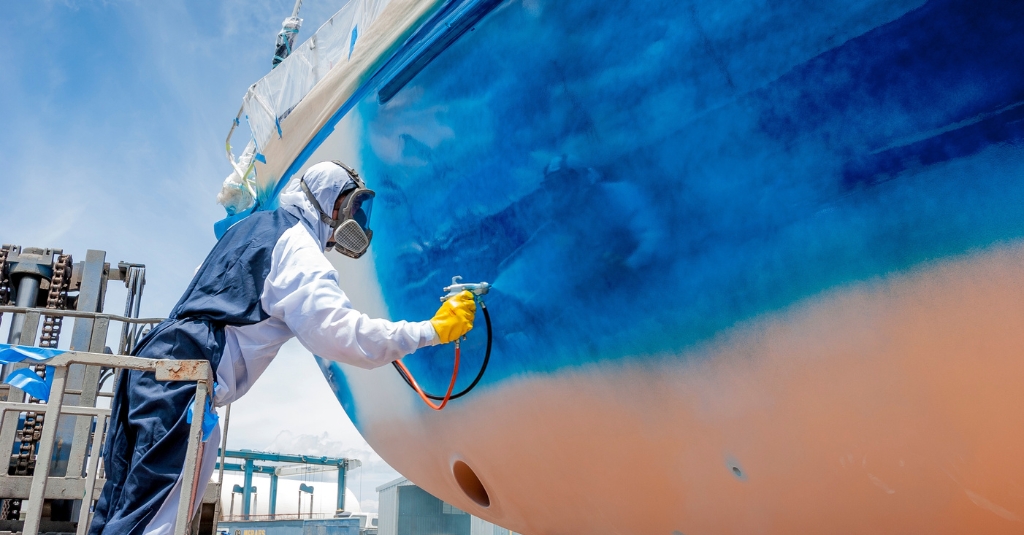
Coatings are used across industries where appearance, durability and consistency are critical. A coating may be applied to architectural surfaces, automotive components, industrial equipment, consumer products, packaging, furniture, boats or building materials. In each case, color must meet customer expectations and perform consistently across batches.
Without a structured color management process, teams may spend excessive time on:
- Manual color matching
- Repeated formulation trials
- Batch corrections
- Physical sample shipments
- Visual approval disputes
- Supplier communication
- Reformulation after raw material changes
- Rework caused by off-color production
Color management helps teams measure, analyze, communicate and assess color information in a repeatable way. It supports better decisions from development through production and quality control.
For more on building a structured workflow, see 5 steps for an effective color quality control program and best practices for Delta E tolerance standards.
What Does Digital Color Management Mean for Paint and Coatings?
Digital color management is the use of instruments, software and digital workflows to measure, formulate, communicate and control color.
For paint and coatings manufacturers, this usually includes:
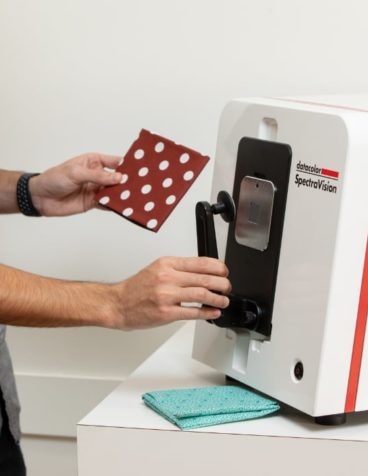
- Spectrophotometers for objective color measurement
- Formulation software for recipe prediction and correction
- Quality control software for pass/fail evaluation
- Digital standards and tolerances
- Shared color databases
- Supplier and multi-site communication tools
- Reporting and approval records
The goal is to reduce the uncertainty in color decisions. Instead of relying only on visual comparison or manual trial and error, teams can use numerical color data to evaluate differences, adjust formulas and document decisions.
This matters because coatings can be technically complex. Texture, gloss, opacity, substrate, pigment selection, application method and curing conditions can all influence final appearance.
For related guidance, see using a spectrophotometer for color measurement and gloss and color measurement.
Why Powder Coatings Need Strong Color Management
Powder coatings are widely used because they can offer durability, efficiency and sustainability advantages. But they also create specific color management challenges.
Powder coatings are available in many colors, textures and finishes. That variety gives manufacturers and customers more design flexibility, but it also makes color control more demanding. Getting the right color can require multiple formulation trials, application checks and corrections.
In powder coatings, one lab-scale formulation trial can take significant time. If a color is wrong, the process may need to restart. This can slow development, increase labor cost and delay customer response.
Digital color management helps powder coating manufacturers:
- Determine whether a target color is achievable
- Reduce unnecessary formulation attempts
- Predict formulas more accurately
- Minimize batch corrections
- Manage raw material constraints
- Transfer formulas across locations
- Communicate color data digitally
- Improve speed in custom color matching
For more on powder coatings, see getting color right in powder coatings and Datacolor Match Pigment software explained.
Why Digital Measurement Is the Starting Point
Color management starts with color measurement. You cannot manage what you cannot measure.
Digital color measurement uses a spectrophotometer to capture objective color data from coatings samples. This data can then be used for formulation, quality control, tolerance evaluation and communication.
In manual workflows, teams may spend days trying to match a color before realizing that the available raw materials cannot produce the target. With digital color measurement and formulation software, teams can identify gamut limitations earlier and avoid wasted effort.
Digital measurement helps answer critical questions:
- Is this color achievable with the available pigments?
- How close is the sample to the standard?
- Which direction should the formula be corrected?
- Is the batch within tolerance?
- Does the color shift under different light sources?
- Can this formula be transferred to another site?
- Are raw material changes affecting color?
For more on formulation and gamut decisions, see Match Pigment and gamut mapping and reformulation in color management.
How Digital Formulation Reduces Trial and Error
Digital formulation software helps teams create and correct color recipes more efficiently.
Without computerized formula prediction, color matching often depends on manual experience and repeated trial batches. Skilled colorists are valuable, but manual processes can be slow, inconsistent and difficult to scale across locations.
Formulation software uses measured color data, pigment databases and correction algorithms to suggest formulas that are more likely to match the target. This helps teams reduce the number of trials needed to reach approval.
Benefits include:
- Faster color development
- Fewer failed attempts
- Reduced pigment waste
- Better first-shot matching
- More consistent corrections
- Improved cost control
- Better use of existing raw materials
- Stronger repeatability across labs and sites
For paint and coatings manufacturers working with custom colors, speed is a competitive advantage. The company that can return the right color quickly and accurately is often in the strongest position to win the order.
For relevant Datacolor solutions, see Datacolor Match Pigment and product line maintenance with Match Pigment.
Why Digital Color Communication Matters Across Production Sites
Paint and coating manufacturers often operate across multiple plants, labs and regions. This makes digital color communication essential.
When formulas and standards are stored digitally, teams can access the latest approved data, update formulas more easily and transfer work between facilities. This helps reduce delays and prevents teams from relying on outdated files, manual notes or physical samples alone.
Digital communication is especially important when:
- Multiple plants manufacture the same coating
- Work needs to shift from one site to another
- Suppliers support different regions
- Customers require fast custom matching
- Raw materials vary by location
- Global teams need shared standards
- Approvals happen remotely
A connected digital workflow gives every stakeholder access to the same color data and reduces the chance of decisions being made from inconsistent references.
For more on supply chain workflows, see digital color communication with color measurement instruments and keys to reliable digital color communication.
How Digital Color Management Improves Sustainability
Digital color management can support sustainability by reducing waste, rework and unnecessary sample shipments.
Paint and coating manufacturers often choose powder coatings partly because of environmental and efficiency advantages. The color management process should support the same goals.
Digital workflows can reduce the need to manufacture, package and ship physical samples throughout the approval process. Physical samples may still be needed when color differences fall outside digital tolerances or when final validation is required, but many early-stage decisions can be handled with objective color data.
Digital color management can help reduce:
- Off-color batches
- Repeated trials
- Unnecessary corrections
- Physical sample shipments
- Material waste
- Energy used in repeated production
- Time spent on failed matches
- Delays caused by manual approval cycles
For more on sustainability and color workflows, see how digital color management supports sustainability, how to reduce waste from off-color materials and formulating for sustainability.
Benefits of Digital Color Management for Paint and Coatings
Digital color management improves both technical performance and business performance.
Faster Color Matching
Digital measurement and formulation reduce the time needed to develop and approve colors. This is especially valuable for custom color requests and competitive bids.
Fewer Batch Corrections
More accurate formulas and objective measurement data help reduce correction cycles and improve first-time success.
Better Cost Control
Formula prediction helps teams evaluate raw material use and avoid unnecessary pigment waste or unachievable matches.
Improved Supply Chain Communication
Digital color data helps brands, suppliers, labs and production sites work from the same standard.
Stronger Quality Control
Measured tolerances and documented data make pass/fail decisions clearer and easier to defend.
Less Physical Sampling
Digital workflows reduce dependence on shipping samples for every approval step.
Better Productivity
Less time spent on manual correction means more time available for development, production and customer response.
For quality workflows, see Datacolor Tools and color management software.

Color Management for Custom Powder Coating
Custom color matching is one of the strongest use cases for digital color management in powder coatings.
Customers often need a specific color quickly. In this market, speed and accuracy both matter. Returning the right color first can make the difference between winning and losing the business.
Digital color management helps custom powder coating teams:
- Measure the target color objectively
- Check whether the color is within the available gamut
- Generate an initial formula
- Correct the formula more efficiently
- Reduce lab trial time
- Estimate cost more accurately
- Document the approved formula
- Transfer the formula to production
This creates a more responsive workflow and helps manufacturers meet customer expectations without relying on excessive manual trial and error.
For more on custom matching, see SmartMatch and SmartMatch for smarter business.
Why Coatings Color Is Difficult to Control
Coatings color can be difficult to control because appearance is influenced by more than pigment color alone.
Factors that can affect final coating appearance include:
- Pigment selection
- Resin system
- Substrate
- Film thickness
- Application method
- Cure conditions
- Texture
- Gloss
- Opacity
- Metallic or effect pigments
- Batch size
- Raw material variation
- Lighting conditions
These variables make color control more complex than simply matching a sample visually. A strong digital process helps teams isolate issues, evaluate differences and make corrections based on measurable data.
For more on lighting and appearance, see how different light sources impact color and what you need to know about light sources and color evaluation.
How to Build a Stronger Digital Color Workflow for Coatings
A strong digital color workflow should connect measurement, formulation, correction, communication and quality control.
1. Define Standards and Tolerances
Start with clear color standards, approved measurement conditions and defined Delta E tolerances.
2. Measure with the Right Instrument
Use a spectrophotometer that fits the coating type, texture, gloss and production workflow.
3. Use Formulation Software
Digital formula prediction helps reduce trial-and-error matching and improves correction efficiency.
4. Build and Maintain Pigment Databases
Accurate formulation depends on reliable raw material and pigment data. Keep databases current.
5. Standardize Application and Sample Preparation
Coatings must be applied and cured consistently before measurement. Variation in sample preparation can create false color differences.
6. Share Color Data Digitally
Use digital communication to align teams, suppliers and production sites around the same approved standards and formulas.
7. Monitor Results Over Time
Track corrections, batch performance, raw material changes and customer feedback to improve the workflow.
For a structured program, see how to build an effective color program and color management starts with the right tools and the right partner.
How Datacolor Supports Paint and Coating Color Management
Datacolor supports paint and coating manufacturers with instruments, formulation software, quality control software and workflow expertise designed for color-critical environments.
Relevant Datacolor solutions include:
- Spectrophotometers for objective color measurement
- Datacolor Match Pigment for formulation and correction
- Datacolor Tools for quality control and reporting
- Color management software for standards and communication
- Portable and benchtop instruments for lab and production workflows
- Services to support implementation, calibration and workflow improvement
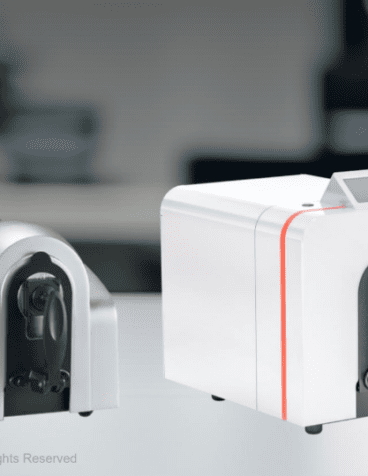
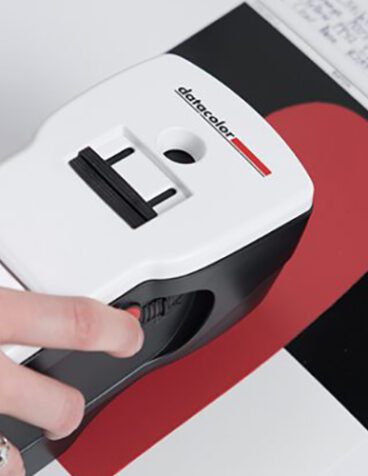
Explore Datacolor Match Pigment, Datacolor Tools, benchtop spectrophotometers, portable spectrophotometers and color management solutions for paint and coatings.
With the right digital workflow, paint and coating manufacturers can reduce color matching time, improve first-time accuracy, cut waste and respond faster to customer demands.
FAQ: Digital Color Management in Paint and Coatings
What Is Digital Color Management in Paint and Coatings?
Digital color management is the use of spectrophotometers, formulation software, quality control software and digital communication to measure, match, correct and control coating color.
Why Is Color Management Important for Powder Coatings?
Powder coating color development can be time-consuming. Digital color management helps reduce trial batches, improve formula prediction, minimize corrections and speed up customer response.
How Does a Spectrophotometer Help Coatings Manufacturers?
A spectrophotometer measures objective color data from a coating sample. That data can be used for formulation, quality control, tolerance evaluation and digital communication.
How Does Formulation Software Reduce Color Matching Time?
Formulation software uses measured color data, pigment information and correction algorithms to predict formulas and suggest corrections more efficiently than manual trial and error.
Can Digital Color Management Reduce Waste?
Yes. Digital workflows can reduce off-color batches, repeated trials, physical sample shipments and unnecessary corrections, helping manufacturers lower material and process waste.
Why Is Digital Color Communication Useful for Coatings Companies?
Digital color communication helps labs, plants, suppliers and customers work from the same standards, formulas and measurement data, reducing delays and misunderstandings.
What Makes Coating Color Difficult to Control?
Coating color can be affected by pigment selection, substrate, gloss, film thickness, texture, application method, curing conditions and lighting.
What Tools Are Used in Paint and Coating Color Management?
Common tools include spectrophotometers, formulation software, quality control software, digital color databases and controlled visual evaluation equipment.
How Can Paint and Coating Manufacturers Improve First-Time Color Matching?
They can improve first-time matching by using accurate standards, objective measurement, maintained pigment databases, formulation software, consistent sample preparation and clear tolerances.
Ready to Improve Color Matching in Paint and Coatings?
If your team is still spending too much time on manual matching, repeated corrections or physical sample approvals, Datacolor can help you build a faster, more accurate digital color management workflow for paint and coatings.
Connect with Our Color Experts!


 Want to Get Color Right?