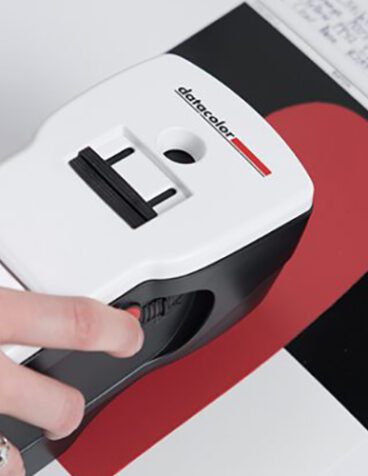
Digital color management helps masterbatchers formulate, communicate and control plastic color more efficiently. With the right software, instruments and workflow, teams can reduce manual trials, improve repeatability, reformulate faster and keep color consistent across production sites.
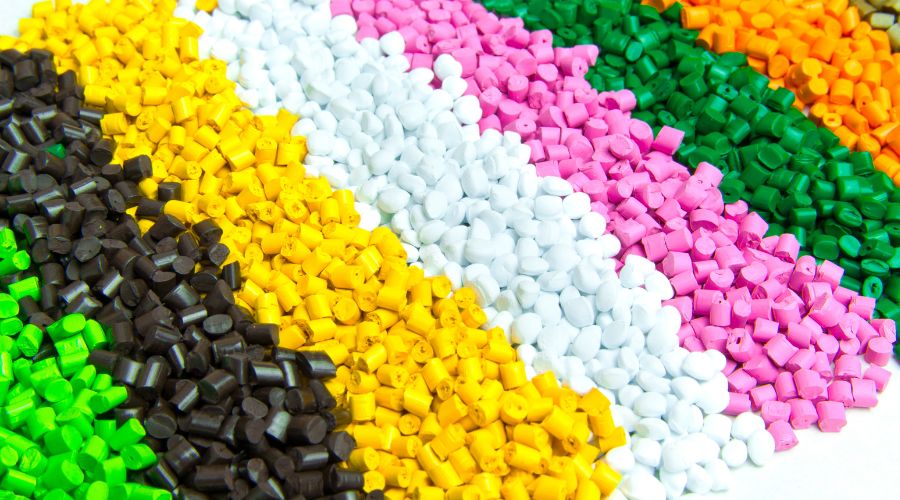
In plastics manufacturing, color is not only an aesthetic detail. It can affect customer approval, brand consistency, product performance and production efficiency. Masterbatchers are responsible for blending polymers, pigments and additives into color concentrates that may be used in automotive parts, toys, packaging, construction materials, home furnishings, appliances and consumer products.
That makes accurate color formulation challenging. Pigments, polymers, additives, processing conditions, regulatory requirements and customer specifications can all affect the final result. Digital color management gives masterbatchers a more reliable way to develop formulas, manage changes and deliver on-color products at scale.
For broader plastics workflows, see mastering color management in plastics manufacturing and color management solutions.
Why Masterbatchers Need Digital Color Management
Masterbatchers need to deliver precise color while balancing cost, performance and production requirements.
A masterbatch formula must do more than match a target color. It also needs to support the physical properties required for the product’s final application. Depending on the end use, the formula may need to account for durability, weathering, opacity, food-contact requirements, processing temperature, recyclability or regulatory restrictions.
Without digital color management, teams may rely heavily on manual adjustment and repeated trials. This can lead to:
- Longer development cycles
- Inconsistent lab-to-production transfer
- Higher pigment waste
- Repeated customer rejections
- Slower reformulation
- Production delays
- Unclear communication between sites
- Inconsistent color across facilities
- Poor visibility into formula performance
Digital color management helps reduce these risks by connecting measurement, formulation, quality control, communication and data management.
For related guidance, see digital color management and five steps for an effective color quality control program.
Color Formulation for Masterbatchers
Color formulation is a critical step in the masterbatch process.
Masterbatchers develop precise formulas to meet customer color requirements while accounting for available pigments, polymers, additives and production constraints. A formula may need to work in a specific resin system, meet a cost target, comply with regulations and perform under specific end-use conditions.
Color formulation software helps teams move from trial-and-error matching to a more controlled, repeatable process.
Datacolor Colibri supports digital formulation workflows by helping teams develop, store, adjust and communicate color formulas. This can improve repeatability between lab and production and reduce discrepancies that may otherwise lead to product color rejections.
Digital formulation helps masterbatchers:
- Create more accurate initial formulas
- Reduce manual trial batches
- Improve first-time match rates
- Manage pigment and resin data
- Support reformulation
- Reduce raw material waste
- Improve consistency from lab to production
- Document formulation decisions
For relevant formulation workflows, see Colibri color management software and color management software.
From Isolated Color Systems to Connected Workflows
Traditionally, color systems have often been separated from the rest of the production workflow.
That creates friction. If color data lives in one system while order, material, customer and shipment data live elsewhere, teams may need to manually re-enter information, transfer files or rely on disconnected communication. This increases the chance of errors and slows the development process.
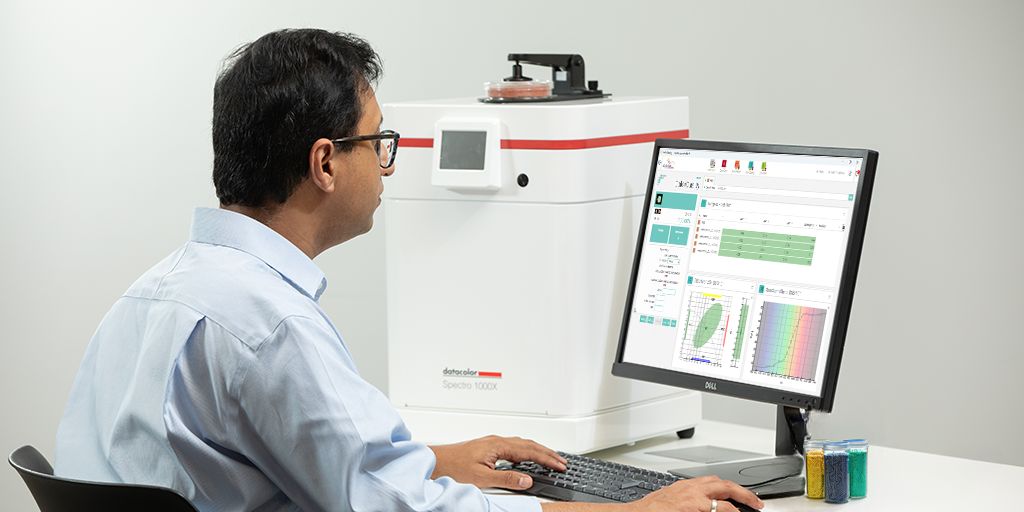
With Datacolor Colibri, color workflows can be integrated into broader business systems. Through custom integrations, Colibri can communicate with systems such as ERPs, helping teams move information more efficiently from order through development, approval, production and shipment.
Connected workflows can support:
- Fewer manual data transfers
- Faster order-to-formula processes
- Better visibility into formula status
- Stronger traceability
- Reduced communication errors
- Improved collaboration between departments
- Better alignment between lab and production
For broader digital workflow context, see a fully digital color management workflow and color management, big data and business analytics.
Managing Changing Specifications, Regulations and Materials
Masterbatch formulation does not stop after the first approved match.
Customer specifications can change. Regulatory requirements can shift. Pigments or additives may become unavailable. Ingredient shortages may require substitutions. Sustainability goals may push teams toward recycled materials or alternative inputs. Each change can affect the original color formula.
Digital color formulation software helps masterbatchers respond faster when conditions change.
Common reformulation triggers include:
- Pigment shortages
- Raw material substitutions
- New customer requirements
- Regulatory restrictions
- Resin changes
- Recycled-content requirements
- Cost-reduction initiatives
- Supplier changes
- Product performance updates
Without a digital system, reformulation may require extensive manual trials. With digital color management, teams can adjust formulas more quickly, compare alternatives and evaluate whether the target color can still be achieved with available materials.
For more on this topic, see reformulation in color management and practical color management with recycled plastics.
Faster Production Through Better Color Communication
Clear color communication is essential for masterbatchers working across facilities, customers and suppliers.
When color data is stored and shared digitally, teams can reduce ambiguity. Instead of relying only on physical samples, emails or local records, stakeholders can access approved standards, master data and formula information from a controlled system.
Datacolor Colibri Hub supports this by storing master standards and master formulations in a central location. When other facilities can access approved master data quickly, it becomes easier to produce accurate batches across the organization, especially when the same product and color are manufactured in multiple locations.
Better color communication helps masterbatchers:
- Speed up approvals
- Reduce inconsistent interpretations
- Support multi-site production
- Improve customer response time
- Reduce duplicate work
- Avoid outdated formula use
- Strengthen supplier alignment
- Improve production confidence
For more on digital color communication, see digital color communication with color measurement instruments and keys to reliable digital color communication.
Reducing Waste, Cost and Manual Correction
Digital color management can reduce the time, material and labor needed to reach the right color.
Manual color matching often requires repeated trial batches and adjustments. Each trial consumes pigment, resin, labor, machine time and development capacity. If the formula still misses the target, the process repeats.
Digital formulation and quality control tools help reduce this waste by automating parts of the matching and correction process. They provide a more data-driven way to evaluate color differences and predict formula adjustments.
This can help masterbatchers reduce:
- Raw material waste
- Unnecessary trials
- Production delays
- Off-color batches
- Correction cycles
- Manual adjustment time
- Customer rejections
- Lab-to-production discrepancies
The result is a faster, more consistent and more cost-effective color development process.
For sustainability-related benefits, see reduce waste from off-color materials, how digital color management supports sustainability and formulating for sustainability.
Improving Consistency from Lab to Production
A color formula that works in the lab still needs to perform in production.
Lab-to-production transfer can be challenging because processing conditions, equipment, batch size and material handling may differ. Digital color management helps by giving teams a consistent foundation for measurement, formulation and correction.
To improve lab-to-production consistency, masterbatchers should:
- Maintain accurate pigment and material databases
- Use controlled measurement procedures
- Define approved standards and tolerances
- Align lab and production measurement methods
- Document formula changes
- Monitor batch results
- Track performance over time
- Use digital data to support corrections
A connected color system helps teams identify where variation enters the workflow and correct it more efficiently.
For measurement control, see best conditions for accurate color data and best practices for measuring color samples.
Supporting Multi-Site Masterbatch Production
Many masterbatchers operate across multiple production locations.
When the same color needs to be produced in different facilities, consistency depends on shared standards, aligned instruments, controlled data and clear communication. If one site uses outdated formula data or different measurement procedures, color variation can appear quickly.
Digital color management supports multi-site production by giving teams access to shared standards, approved formulas and consistent color data.
This helps masterbatchers:
- Transfer formulas between sites
- Reduce duplicate development
- Maintain consistent product color
- Compare performance across facilities
- Support regional production flexibility
- Improve customer confidence
- Manage global production more efficiently
Inter-instrument agreement is especially important in this environment. If instruments at different sites do not measure similarly, teams may disagree about whether a batch is acceptable.
For more on this, see why inter-instrument agreement matters and portable versus benchtop spectrophotometers.
Using Analytics as a Strategic Advantage
Digital color management can provide more than formula creation. It can also generate useful performance insights.
When color data is captured consistently across development, production and quality control, teams can analyze performance over time. This helps identify recurring issues, improve formulations and strengthen the overall color delivery process.
Analytics can help teams understand:
- Which colors require the most corrections
- Which pigments create recurring challenges
- Where formula transfer issues occur
- Which facilities produce more variation
- How often batches pass on the first attempt
- Where raw material substitutions affect performance
- Which customers or products create the highest complexity
This turns color data into a strategic asset. Instead of solving the same problems repeatedly, teams can use data to improve the process.
For more on this topic, see color management, big data and business analytics.
Key Benefits of Digital Color Management for Masterbatchers
Digital color management gives masterbatchers a practical advantage in speed, consistency and cost control.
| Benefit |
Impact |
| Faster formulation |
Software-supported formulation reduces the time needed to develop and adjust color formulas. |
| Better repeatability |
A consistent digital workflow helps teams repeat successful formulas in the lab and in production. |
| Easier reformulation |
When materials or requirements change, digital tools help teams adjust formulas faster. |
| Reduced waste |
Fewer manual trials and corrections can reduce pigment, resin and production waste. |
| Stronger multi-site consistency |
Shared standards and master formulations help facilities produce more consistent color. |
| Better customer communication |
Digital color data reduces ambiguity and supports faster approvals. |
| Improved process visibility |
Analytics help teams identify recurring problems and optimize the color delivery process. |
How to Build a Stronger Masterbatch Color Workflow
A reliable masterbatch color workflow should connect measurement, formulation, correction and communication.
1. Define the Color Standard
Start with an approved standard and make sure it is measurable, achievable and relevant to the final application.
2. Measure Color Accurately
Use a spectrophotometer and controlled sample preparation to generate reliable data.
3. Maintain Material Databases
Keep pigment, resin and additive data current so formulation predictions remain reliable.
4. Use Formulation Software
Use digital tools to generate formulas, correct matches and evaluate alternatives.
5. Connect Color Data to Business Systems
Integrate color workflows with ERP or related systems where useful to reduce manual data transfer.
6. Share Master Data Centrally
Use controlled access to master standards and master formulations across facilities.
7. Monitor Production Performance
Track batch results, correction rates and formula success over time to improve the workflow.
For implementation support, see how to successfully roll out new color solutions and how to build an effective color program.
How Datacolor Colibri Supports Masterbatchers
Datacolor Colibri helps masterbatchers manage color formulation, correction, communication and data across the color workflow.
Colibri can support:
- Formulation development
- Formula correction
- Master standard management
- Master formulation storage
- Communication through Colibri Hub
- Integration with systems such as ERPs
- Faster access to approved color data
- Improved multi-site production consistency
- Analytics for ongoing process improvement
By integrating color data into daily operations, masterbatchers can respond faster to customer requests, manage material changes more effectively and improve confidence in on-time, on-color delivery.
Explore Datacolor Colibri, Colibri ColorMatch, Colibri ColorQuality and color management software.
FAQ: Digital Color Management for Masterbatchers
What is digital color management for masterbatchers?
Digital color management is the use of measurement instruments, formulation software, quality control tools and shared color data to develop, correct and control masterbatch color.
Why is color formulation important in masterbatching?
Color formulation ensures that pigments, polymers and additives are combined to meet the customer’s target color and the product’s final performance requirements.
How does Datacolor Colibri help masterbatchers?
Datacolor Colibri supports color formulation, correction, master data management, communication and integration with broader production workflows.
Why is reformulation important for masterbatchers?
Reformulation is needed when customer specifications, regulations, pigment availability, raw materials or production requirements change. Digital tools help teams adapt faster.
How can digital color management reduce waste?
It reduces unnecessary trials, off-color batches, manual corrections and material use by making formulation and correction more data-driven.
Why does multi-site production make color management harder?
Multiple sites may use different equipment, materials, measurement procedures or data versions. Shared digital standards and master formulations help improve consistency.
How does Colibri Hub support color communication?
Colibri Hub stores master standards and master formulations so facilities can access approved color data more quickly and consistently.
Can digital color management connect to ERP systems?
Yes. Through custom integrations, Datacolor Colibri can communicate with systems such as ERPs to help move information through the development and production process.
What industries use masterbatch color management?
Masterbatch color management supports plastic products used in automotive, toys, construction, packaging, home furnishings, appliances and consumer goods.
What is the strategic value of digital color data?
Digital color data can be analyzed over time to identify recurring issues, improve formulas, monitor production performance and optimize the color delivery process.
Ready to Improve Masterbatch Color Formulation?
If your team is dealing with repeated color trials, material substitutions, multi-site inconsistency or slow approvals, Datacolor Colibri can help you build a more efficient digital color management workflow for masterbatch production.
Improve Your Masterbatch Color Workflow
Discover how Datacolor Colibri can help your team formulate faster, reduce waste and maintain consistent color across production sites.
Connect with a Datacolor Expert

 Want to Get Color Right?