By Milagros Watts
Digital color communication helps brands, manufacturers and suppliers share objective color data across the supply chain. Instead of relying only on physical samples, visual judgment or subjective descriptions, teams can use measured color data to develop, match, approve and produce color more consistently.
This matters in color-critical industries such as textiles, paint and coatings, plastics, cosmetics, automotive interiors and packaging. Product timelines are shorter, color trends move quickly and supply chains often span multiple countries. Digital color communication gives teams a faster and more reliable way to keep color development moving without sacrificing accuracy.
But digital color communication only works when the data is reliable. If the standard is unclear, the sample is measured incorrectly or instruments are not aligned, digital workflows can still produce delays, rejects and costly misunderstandings.
This guide explains the key steps for getting started with digital color communication: selecting a color standard, representing it digitally, measuring it accurately, matching the color, accounting for metamerism and sharing data across the supply chain.
For a broader foundation, see digital color management and color management solutions.
Why Digital Color Communication Matters
Digital color communication helps teams get the right color to market faster.
Every business wants the right product in front of customers at the right moment. In industries such as paint, coatings, plastics and textiles, that often depends on fast, accurate color development. When teams rely too heavily on physical samples and visual approvals, the process can slow down quickly.
Common problems include:
- Delayed lab dip approvals
- Repeated color corrections
- Unclear standards
- Supplier misunderstandings
- Inconsistent measurement conditions
- Costly physical sample shipments
- Subjective visual disagreements
- Slow speed to market
- Rejected bulk production
- Inconsistent color across locations
Digital color communication reduces these risks by giving teams a shared language for color. Measured color data can move instantly between designers, colorists, suppliers, mills, laboratories and manufacturers.
For related workflow guidance, see 5 Steps for an Effective Color Quality Control Program and How to Manage Color When Working Remotely.

Digital Color Communication Depends on Accurate Color Data
The success of digital color communication depends on the quality of the data being shared.
Color measurement is inherently sensitive to variation. Sample preparation, instrument setup, aperture size, lighting, humidity, temperature, geometry, calibration and operator technique can all affect results. If that variation is not controlled, the digital data may not represent the true color accurately.
In other words, digital color communication is not automatically reliable simply because the data is digital. The measurement process must be controlled first.
Reliable color data helps teams:
- Define standards clearly
- Reduce subjective interpretation
- Compare samples consistently
- Evaluate tolerances
- Support formulation
- Improve supplier alignment
- Document approvals
- Reduce unnecessary sample shipments
For stronger measurement practices, see Best Conditions for Accurate Color Data and Best Practices for Measuring Color Samples.
Step 1: Identify a Color Matching Standard
The first step in digital color communication is identifying the right standard for color matching.
A color standard is the target everyone must match. It may originate from a fabric swatch, paint chip, plastic sample, product inspiration, customer request or digital design. Before that color is communicated across the supply chain, however, it needs to be evaluated as a practical production target.
A strong standard should be:
- Clearly defined
- Current and approved
- Achievable in the intended substrate
- Relevant to the manufacturing process
- Measurable with the right instrument
- Supported by tolerance requirements
- Communicated consistently to all partners
This matters because a color that looks good in one material may not be achievable in another. A monitor color may not be reproducible in textile, paint, plastic or coating. A swatch from an old color book may have shifted over time. A physical sample may not represent the final substrate or finish.
Before color communication begins, confirm that the selected standard can be accurately produced in the intended material and process.
For more on standards and tolerances, see Keeping Customer Color Standards and Best Practices for Delta E Tolerance Standards.
Step 2: Represent the Standard Digitally
Once a physical color standard is established, it can be represented digitally.
A digital color standard is created by measuring the color and converting it into numerical color data. This often includes spectral reflectance values that describe how much light the color reflects at different wavelengths compared with a defined reference.
This digital representation makes color easier to communicate across locations. Instead of shipping a physical standard to every supplier for every decision, teams can share objective color data that defines the target.
Digital standards support:
- Faster supplier communication
- Reduced physical sampling
- Better version control
- Clearer approval criteria
- Remote collaboration
- Improved auditability
- More consistent color matching
However, a digital standard must be created carefully. The sample must be measured under controlled conditions with the right instrument, settings and sample preparation method.
For more on spectral measurement, see Using a Spectrophotometer for Color Measurement and Different Types of Color Measurement Instruments.

Step 3: Measure Color Precisely and Repeatably
Precise measurement is the foundation of reliable digital color communication.
To create usable color data, teams need a repeatable measurement technique. This means the same sample should produce consistent results when measured again under the same conditions. It also means different locations should be able to measure the same standard and reach comparable results when using aligned instruments and procedures.
Key measurement factors include:
- Sample conditioning
- Sample opacity
- Number of folds or layers
- Sample positioning
- Rotation and averaging
- Aperture size
- Instrument geometry
- UV settings
- Calibration
- Temperature and humidity
- Instrument maintenance
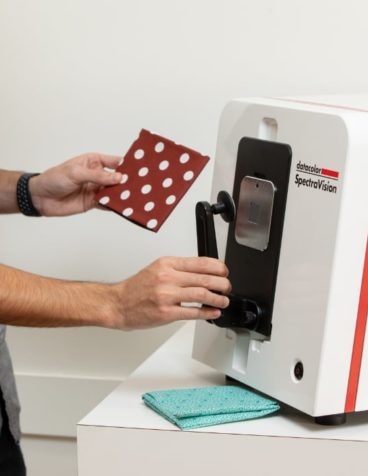
For example, textile samples should often be folded until opaque. If light passes through the material and reflects from the sample holder or another surface, the instrument may capture misleading reflectance data. Using the largest practical aperture can also reduce variation by measuring a broader area of the sample.
For more on repeatable sample techniques, see Sample Measurement Technique for Digital Color Communication and Sample Conditioning for Digital Color Measurement.
Why Inter-Instrument Agreement Matters
Inter-instrument agreement is critical when color data is shared across a supply chain.
In digital color communication, teams may be separated by oceans, time zones and production sites. A standard may be measured in one location and evaluated or matched in another. If instruments do not agree with each other, the same color data may lead to different decisions.
Inter-instrument agreement describes how closely different instruments measure the same sample. Strong agreement helps ensure that a brand, mill, supplier and production site can trust the data they are exchanging.
This is especially important when:
- Multiple suppliers are involved
- Production happens in several countries
- Brands use digital standards
- Remote approvals are required
- Tight tolerances are used
- Samples are measured across different laboratories
- Suppliers are empowered to approve within defined limits
To improve inter-instrument agreement, teams should:
- Use compatible instruments
- Maintain calibration routines
- Define measurement settings
- Follow consistent measurement procedures
For more detail, see Why Inter-Instrument Agreement Matters and How to Store, Use and Clean Spectrophotometer Calibration Tiles.
Step 4: Match the Color with Formulation Software
Once the standard has been measured and translated into digital color data, suppliers can use formulation software to develop the desired color.
Formulation software helps teams calculate recipes based on the target color, material, pigments, dyes or colorants available. This reduces manual trial and error and helps teams reach an accurate match faster.
Digital formulation can support:
- Textile dye formulation
- Paint and coating formulation
- Plastics and masterbatch color matching
- Pigment correction
- Leather, ink and cosmetics workflows
- Recipe optimization
- Cost control
- Sustainability goals
Datacolor Match Textile is designed for textile workflows, while Datacolor Match Pigment supports industries including paint, pigment, plastics, leather, inks and cosmetics.
For relevant solutions, see Datacolor Match Textile, Datacolor Match Pigment and Match Textile Color Formulation and Correction Software.

Understand the Role of Metamerism
Metamerism is one of the most important challenges in digital color communication.
Metamerism occurs when two colors appear to match under one light source but no longer match under another. This often happens when the two samples have different spectral reflectance curves, even though they appear identical in one viewing condition.
For example, two components of a product may match perfectly in the laboratory but appear different in a retail store, office, showroom or in daylight. This is a common challenge in automotive interiors, apparel, coatings, plastics and other multi-material products.
Digital formulation software can help account for selected illuminants during formulation. This improves the likelihood that multiple components continue to coordinate when the final product is assembled and viewed under different lighting conditions.
To manage metamerism, teams should:
- Define the relevant illuminants
- Evaluate samples under multiple light sources
- Use spectral data rather than visual comparison alone
- Align formulation software settings
- Use light booths for controlled visual evaluation
- Document lighting requirements
- Communicate illuminant expectations to suppliers
For more on this topic, see What Is Metamerism?, What You Need to Know About Light Sources and Color Evaluation and Light Booths for Color Assessment.
Step 5: Share Color Data Across the Supply Chain
The final step is sharing reliable digital color data with every stakeholder involved in developing, approving or producing the color.
Digital color communication works best when everyone uses the same approved standard, measurement conditions, tolerances and software workflow. The goal is not simply to send a file, but to ensure every recipient can interpret and use that data correctly.
A successful digital color communication workflow should define:
- Which digital file format is used
- Who creates and approves standards
- Which instruments and measurement settings are required
- Which tolerances apply
- How samples should be prepared and measured
- How color data is shared
- Who approves exceptions
- How version control is managed
- How suppliers confirm compliance
- How measurement records are stored
When these processes are clearly defined, organizations can avoid costly misunderstandings, reduce approval delays and accelerate product development.
For more on supply chain collaboration, see Vendor Empowerment and Supply Chain Certification.
Benefits of Digital Color Communication
Digital color communication improves both speed and confidence throughout the color development process.
| Benefit |
Business Impact |
| Faster development cycles |
Digital standards reduce the need for repeated physical sample shipments. |
| Objective approvals |
Measured color data reduces subjective decisions and disagreements. |
| Better supplier alignment |
Every supplier works from the same approved target and tolerances. |
| Lower costs and waste |
Fewer lab dips, fewer corrections and fewer unnecessary shipments reduce costs. |
| Improved remote collaboration |
Teams can communicate objective color data regardless of location. |
| Higher quality control |
Standardized measurements improve repeatability, documentation and auditing. |
For sustainability-related benefits, see How Digital Color Management Supports Sustainability and Reducing Waste from Off-Color Materials.
Common Mistakes in Digital Color Communication
Even digital workflows can fail if the process itself is not properly controlled.
Avoid these common mistakes:
- Using outdated physical standards
- Measuring translucent samples without sufficient opacity
- Using different aperture sizes across locations
- Ignoring temperature or humidity
- Comparing measurements from incompatible instruments
- Using inconsistent UV settings
- Failing to define illuminants
- Relying only on visual judgement
- Sharing data without defined tolerances
- Using outdated formulation databases
- Not training suppliers
- Skipping calibration and preventive maintenance
Digital color communication does not replace good color management practices—it depends on them.
For implementation guidance, see How to Have a Successful Rollout of Your New Color Solutions and Building an Effective Color Program.
How to Get Started with Digital Color Communication
Organizations often achieve the best results by starting with one controlled workflow before expanding across the business.
A phased implementation typically includes:
- Select one product category or supplier group.
- Create approved physical and digital color standards.
- Document sample preparation and measurement procedures.
- Select the appropriate spectrophotometers and software.
- Train internal teams and suppliers.
- Validate repeatability and inter-instrument agreement.
- Define tolerances and approval criteria.
- Share digital color data using standardized workflows.
- Track approval time, lab dip rounds and correction rates.
- Expand once the workflow is proven.
This phased approach helps organizations build confidence in digital color data while minimizing disruption.
For additional guidance, see Effective Color Program and Fully Digital Color Management Workflow.
How Datacolor Supports Digital Color Communication
Datacolor supports digital color communication with industry-leading color measurement instruments, formulation software, quality control software and workflow expertise for color-critical industries.
Whether you work in textiles, plastics, paint and coatings, leather, inks or cosmetics, Datacolor solutions help create consistent digital color workflows that improve communication across the entire supply chain.
Relevant Datacolor solutions include:
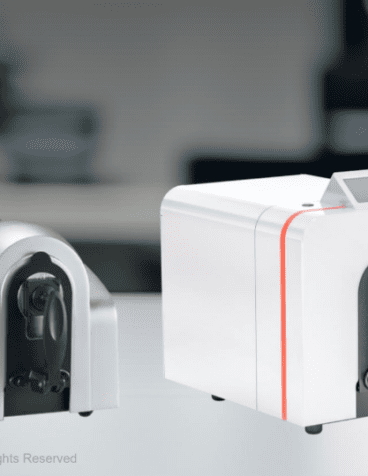
- Spectrophotometers for objective color measurement
- Datacolor Tools for quality control, reporting and color approval
- Datacolor Match Textile for textile color formulation
- Datacolor Match Pigment for paint, pigment, plastics, leather, inks and cosmetics
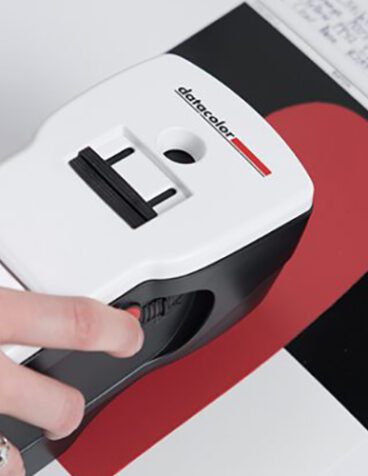
- Portable and benchtop spectrophotometers for different production environments
- Light booths for standardized visual color evaluation
- Training, implementation and workflow consulting services
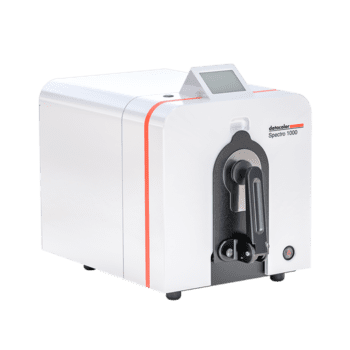
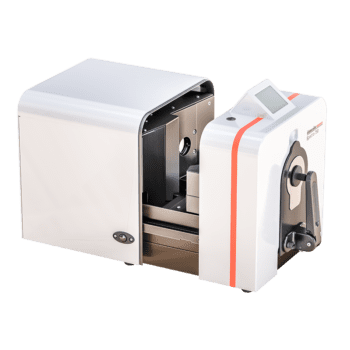
Explore additional solutions including Spectro 1000 and our complete range of color management software.
With accurate color data, standardized measurement procedures and aligned workflows, organizations can reduce development delays, improve supplier collaboration and bring products to market faster with greater confidence.
Frequently Asked Questions
What is digital color communication?
Digital color communication is the process of sharing objective color data—such as spectral reflectance values—between brands, manufacturers and suppliers so colors can be developed, matched, approved and reproduced consistently throughout the supply chain.
Why is digital color communication important?
It reduces subjective decision-making, minimizes physical sample exchanges, shortens approval cycles and improves consistency across multiple production sites and suppliers.
What is a digital color standard?
A digital color standard is a numerical representation of an approved physical color. It is typically created by measuring the standard with a spectrophotometer and storing its spectral reflectance data.
Why is accurate color measurement important?
Digital workflows are only as reliable as the data they use. Accurate measurements ensure suppliers, laboratories and manufacturers are all working toward the same color target.
What does a spectrophotometer do?
A spectrophotometer objectively measures color by capturing spectral reflectance values. These measurements are used for color matching, quality control and digital color communication.
What is spectral reflectance?
Spectral reflectance describes how much light a material reflects across different wavelengths, providing an objective numerical fingerprint of a color.
What is inter-instrument agreement?
Inter-instrument agreement measures how closely different spectrophotometers reproduce the same color measurement. Strong agreement is essential when multiple suppliers or production sites rely on shared digital color standards.
How does formulation software improve digital color communication?
Color formulation software calculates recipes based on measured color data, helping manufacturers achieve accurate color matches faster while reducing manual corrections, waste and development costs.
What is metamerism?
Metamerism occurs when two colors appear identical under one light source but different under another. Evaluating colors under multiple illuminants helps prevent unexpected color differences in real-world environments.
How can companies get started with digital color communication?
Start by establishing approved physical and digital standards, implementing standardized measurement procedures, aligning instruments, defining tolerances and training internal teams and suppliers before expanding the workflow across additional product lines.
Ready to Improve Your Digital Color Communication?
Discover how Datacolor’s color measurement instruments, formulation software and quality control solutions can help you create faster, more accurate and more reliable digital color workflows.
Connect with a Datacolor Expert


 Want to Get Color Right?