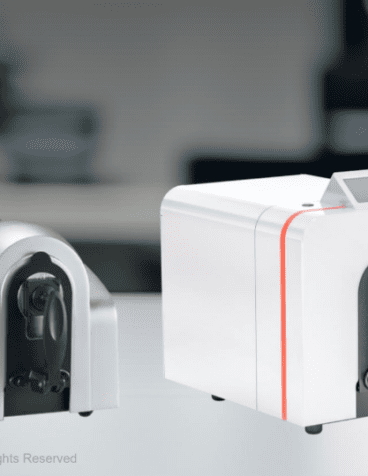
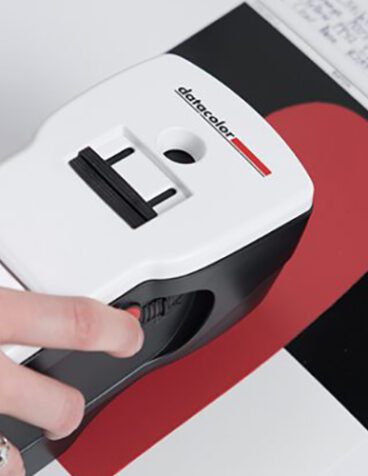
An effective color program helps brands and manufacturers approve color faster, reduce lab dip rounds, lower production risk and improve consistency across suppliers. The strongest programs combine trained people, clear processes, reliable standards, digital color data and the right measurement technology.
When a color program is not working, the visible problem is often vendor performance: mills missing the target, repeated lab dips, slow approvals or bulk color coming in outside tolerance. But the root cause is often deeper. Color problems can come from outdated standards, unclear responsibilities, inconsistent light sources, poor communication, lack of digital data or technology that does not match the product category.
A cost-effective color program is not just about buying a spectrophotometer. It is about building a workflow that helps every stakeholder make better color decisions, from design and merchandising to mills, suppliers, production teams and executives.
For a broader foundation, see digital color management and 5 steps for an effective color quality control program.
Why Color Programs Fail
Color programs usually fail because process, people and technology are not aligned.
A company may have good intentions and still struggle if teams are using outdated standards, inconsistent light sources or unclear approval methods. A mill may be blamed for missing color when the brand has not provided the right standard, data or process. Designers may rely on visual judgment while production teams need digital tolerance data. Vendors may not know which files, light sources or standards to use.
Common signs of a weak color program include:
- Too many lab dip rounds
- Vendors repeatedly missing tolerance
- Unclear color ownership
- Inconsistent light sources
- Outdated color standards
- Limited use of digital color data
- Slow approval cycles
- Poor communication between internal teams and mills
- Bulk color issues discovered too late
- Excessive reliance on visual approvals
- Lack of vendor training
- No clear process documentation
The cost can become significant. If a color takes many lab dip rounds to approve, the hidden costs show up in development time, production delays, vendor workload and missed market windows. If a bulk order is produced in the wrong color, the financial impact can be much higher.
For related guidance, see common roadblocks in apparel production and how to cut back on color corrections.
Start by Diagnosing the Current Color Process
Before investing in new technology, map the current color process.
You need to understand how color decisions are made today, who owns each step and where breakdowns occur. Without that diagnosis, new tools may be added on top of a broken workflow.
Start with these questions:
- What does the current color approval process look like?
- Who makes color decisions?
- Who reviews lab dips?
- Who communicates with vendors?
- Are trained colorists involved?
- Which mills or factories are producing the color?
- Which color service providers are used?
- Are physical standards, digital standards or both being used?
- Are vendors using the correct standards?
- Is the team using current light sources?
- Are spectrophotometers or light booths already in place?
- Are color tolerances defined and documented?
- Is the team open to changing the process?
This discovery step often reveals that the color problem is not one isolated issue. It may be a combination of outdated process documents, insufficient training, inconsistent communication and technology gaps.
For more on workflow alignment, see color management starts with the right tools and the right partner and keys to reliable digital color communication.
Understand the Real Cost of Repeated Lab Dips
Repeated lab dips are not just a technical inconvenience. They are a business cost.
When a color should be approved in one or two rounds but takes six, eight or twelve rounds, the cost multiplies. Teams lose time. Vendors spend more resources. Development calendars tighten. Bulk production may be delayed. Internal teams may lose confidence in suppliers.
The cost is not always visible as a separate invoice. It may be buried in cost sheets, vendor pricing, calendar pressure or lost productivity. But the impact is real.
A strong color program helps reduce lab dip rounds by making sure:
- The right standard is used.
- Digital color data is available.
- Light source requirements are clear.
- Vendors understand the tolerance.
- Samples are measured correctly.
- Internal teams follow the same approval process.
- Colorists have the authority to drive decisions.
When lab dips are approved faster and within tolerance, the entire product development calendar becomes more predictable.
For more on tolerances and sample measurement, see best practices for Delta E tolerance standards and best practices for measuring color samples.

Make Sure Teams Are Using the Right Color Standards
A color program depends on accurate, current and properly used standards.
Problems occur when teams use old swatch books, aged physical chips or unofficial references instead of approved digital standards or current physical standards. Physical standards can change over time due to handling, light exposure, heat, humidity or age. If a vendor reads an old chip instead of using the correct QTX file or approved standard, the resulting color may be outside tolerance before production even begins.
To improve standard control:
- Define which standards are official.
- Use digital standards where appropriate.
- Control access to current standard files.
- Retire outdated physical references.
- Document how vendors should obtain standards.
- Align standard use across internal teams and mills.
- Store physical standards properly.
- Confirm standards before the lab dip process begins.
This is especially important when a color is multi-sourced across several mills. If each mill uses a different interpretation of the standard, the final product may show visible variation at retail.
For more on digital standards and communication, see digital color communication with color measurement instruments and keeping customer color standards.
Choose Standards That Match the Product
The right standard should reflect the material, product category and end use.
A cotton standard may not be ideal for a product made primarily from polyester, nylon or performance materials. If a brand is developing athleisure, swimwear, outerwear or technical apparel, the selected color standard should support the material reality of the product.
Before selecting or approving a standard, ask:
- What fiber or substrate is the product made from?
- Is the standard visually and technically appropriate for that material?
- Will the standard support the production process?
- Does the standard align with the customer’s tolerance expectations?
- Can vendors measure and match it reliably?
- Does the standard need to be physical, digital or both?
Choosing the wrong standard can create unnecessary color inconsistency, even when the vendor is technically capable.
For textile-specific guidance, see color management solutions for textile and apparel and color management in textiles.
Evaluate the People Behind the Color Program
Technology works best when the right people are involved.
A strong color program needs a trained colorist or color owner who understands both technical measurement and business decision-making. This person should be able to communicate with overseas vendors, influence internal teams, manage process changes and train others.
Key questions to ask:
- Is there a trained colorist on the team?
- Does the colorist understand digital color data?
- Can the colorist communicate effectively with overseas and internal teams?
- Does the colorist have the authority to drive process?
- Can the colorist train vendors and internal stakeholders?
- Is the colorist open to a new way of working?
- Is there enough capacity to manage color proactively?
Color should not be treated as an informal side responsibility if it affects product quality, calendar performance and cost. At minimum, companies need someone who owns color across design, production, fabric, merchandising or quality assurance.
For stakeholder planning, see how to get stakeholder buy-in on color solutions.
Get the Right Stakeholders Involved Early
Implementing a new color program requires more than the color team.
Because color affects design, merchandising, sourcing, production, quality, vendors and executives, the right stakeholders need to be involved from the beginning.
A strong implementation team should include:
- A senior colorist or color manager
- Junior team members who handle day-to-day color work
- Design or merchandising stakeholders
- Sourcing or production representatives
- Quality assurance
- Vendor or mill representatives
- Executive sponsors
Junior team members are especially important because they often know the daily bottlenecks in detail. Senior executives are important because they reinforce change management and approve investment. Vendors are important because they execute much of the process outside the home office.
For rollout support, see how to have a successful rollout of your new color solutions.

Understand What Spectrophotometers Can and Cannot Solve
Spectrophotometers are powerful tools, but they are not a complete color program by themselves.
A spectrophotometer provides objective color data. It helps teams compare standards and samples, evaluate tolerances and communicate color more consistently. But if the process is unclear, standards are outdated or vendors are not trained, the instrument alone will not fix the workflow.
Some teams hesitate to invest in spectrophotometers because they see them as expensive or overly technical. In practice, the payoff can be significant when the instrument is matched to the application and supported by a clear process.
A spectrophotometer can help teams:
- Measure color objectively
- Reduce subjective debate
- Support digital approvals
- Define tolerances
- Improve supplier communication
- Reduce repeated lab dips
- Identify color differences earlier
- Build trust between brands and mills
The key is choosing the right instrument for the product and workflow. A table linens company may not need the same solution as a high-end women’s wear brand, a performance apparel company or a manufacturer working with trims and complex materials.
For instrument selection, see different types of color measurement instruments and portable vs. benchtop spectrophotometers.
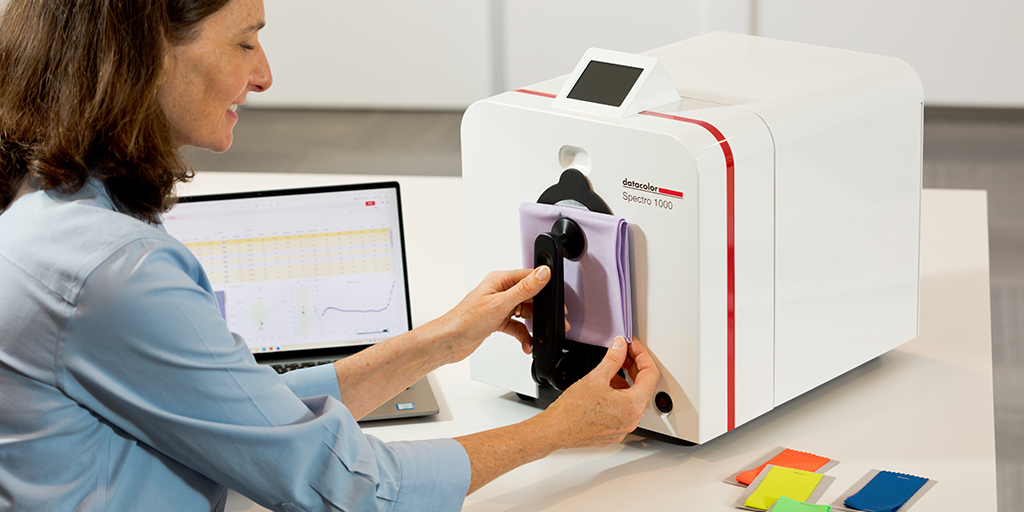
Why Digital Color Data Improves Decision-Making
Digital color data helps teams make color decisions faster and more consistently.
Human vision has limitations. Visual review still matters, especially for final appearance decisions, but it should be supported by measurable data. A computer can measure the same sample under the same conditions repeatedly. That consistency helps reduce unnecessary disagreement.
Digital color data supports:
- Objective comparison between standard and sample
- Faster lab dip evaluation
- Clearer communication with mills
- Better tolerance management
- Remote review
- Supplier empowerment
- Process documentation
- Improved repeatability
Digital color technology is not required for every product or line, but it can improve speed, efficiency and accuracy in many workflows. It also frees colorists to spend less time chasing avoidable issues and more time on higher-value work.
For remote and global workflows, see how to manage color when working remotely and a fully digital color management workflow.
Do Not Skip Change Management
Change management is often the hardest part of implementing a new color program.
Designers, merchants and production teams may be comfortable with visual approvals. Some may worry that using digital color data will reduce creativity or replace aesthetic judgment. The goal is not to remove human expertise. The goal is to support it with objective data so creative intent can be executed more consistently.
Common change management challenges include:
- Resistance to new technology
- Lack of confidence in digital data
- Unclear ownership
- Inconsistent training
- Outdated process documents
- Vendors using old methods
- Teams reverting to visual-only approvals
- Executives underestimating the cost of color errors
To reduce resistance, start with a manageable phase. For example, focus first on getting everyone aligned around the correct light source and light booth use for one season. Then introduce standardized color standards. Then expand into digital measurement and supplier approvals.
For lighting workflows, see what you need to know about light sources and color evaluation, light booths for color assessment and LED light booths.

Three Things to Do Before Investing in Color Technology
Before choosing a color measurement instrument or software platform, evaluate your needs carefully.
1. Test Your Options
Do not assume one technology fits every application. Test available instruments and software with your own materials, standards and workflow requirements. Evaluate how well each option supports your product categories, sample types and tolerance needs.
2. Evaluate Customer Service and Support
Implementation support matters. Teams need training, troubleshooting, calibration guidance and long-term service. A strong technology partner can help prevent implementation problems and improve adoption.
3. Make Sure You Have the Right People
Technology works best when someone owns the process. Ideally, a company has a dedicated color resource. At minimum, color should be clearly assigned to someone in color, fabric, production or quality assurance.
For broader investment guidance, see reasons to purchase Datacolor instruments and service and repair coverage.
Build the Process Behind the Technology
Even the best technology will fail without a clear process.
Some companies have old color process documents that need to be updated with current light sources, color service providers and digital workflows. Others have never had a true color process and need to start from the beginning.
A strong process should define:
- Approved color standards
- Light source requirements
- Light booth use
- Digital file requirements
- Spectrophotometer settings
- Sample measurement technique
- Delta E tolerances
- Lab dip submission process
- Vendor responsibilities
- Internal approval roles
- Escalation rules
- Documentation and reporting
The process should be practical enough that teams and vendors can follow it every day.
For measurement workflows, see sample conditioning for digital color measurement and best practices for measuring color samples.

Empower Vendors as Part of the Color Program
Vendor empowerment is one of the strongest ways to improve color speed and trust.
Many brands rely on overseas mills and factories to execute color decisions. These vendors are the eyes and hands of the production process. If they are not trained, trusted or included in the workflow, approvals remain slow and centralized.
Vendor empowerment means bringing mills and factories into the color program. It requires shared standards, clear tolerances, correct light sources, digital data, training and trust.
A phased approach usually works best:
- Start with a low-risk product category.
- Define standards and tolerances clearly.
- Train vendors on light source and measurement requirements.
- Let vendors approve within defined limits.
- Review performance data.
- Expand responsibility as trust grows.
When brands and vendors reach this level of alignment, the time savings can be dramatic.
For more on this topic, see what you need to know about vendor empowerment and supply chain certification: the key to a strong brand.
How Long Does It Take to See Results?
A new color program usually needs at least one production cycle before results are clear.
Some teams adopt quickly. They start using updated standards, follow the light source requirements and move lab dips through the process more efficiently. Others need more time because internal habits, vendor practices and approval culture must change.
Progress should be measured with practical performance indicators:
- Number of lab dip rounds
- Approval cycle time
- First-round approval rate
- Number of bulk color issues
- Vendor pass/fail performance
- Number of escalations
- Amount of rework
- On-time development performance
- User adoption of digital tools
The goal is not instant perfection. The goal is steady improvement, supported by data, training and a process that teams can actually use.
How Datacolor Supports Effective Color Programs
Datacolor supports brands, mills and manufacturers with instruments, software and expertise for digital color management programs.
Relevant Datacolor solutions include:
- Spectrophotometers for objective color measurement
- Light booths for controlled visual evaluation
- Software for color quality control and reporting
- Digital tools for standards and supplier communication
- Textile solutions for formulation and lab workflows
- Services to support implementation and process improvement
Explore Datacolor spectrophotometers, Datacolor Tools, Datacolor Match Textile, Datacolor Lightbooth and color management solutions for textile and apparel.
An effective color program can reduce avoidable costs, improve vendor trust, support faster approvals and help teams execute creative color decisions with greater confidence.
FAQ: Effective Color Programs
What Is a Color Program?
A color program is a structured workflow for defining, measuring, approving and communicating color across internal teams, suppliers and production partners.
Why Do Color Programs Fail?
Color programs often fail because standards, people, processes and technology are not aligned. Common issues include outdated standards, unclear ownership, inconsistent light sources and lack of vendor training.
How Can a Company Reduce Lab Dip Rounds?
Companies can reduce lab dip rounds by using accurate standards, digital color data, trained colorists, clear tolerances, consistent light sources and empowered vendors.
Do All Companies Need a Spectrophotometer?
Not every product requires the same level of digital measurement, but many color-critical workflows benefit from spectrophotometers because they provide objective and repeatable color data.
Why Are Color Standards Important?
Color standards define the target that vendors and internal teams must match. If standards are outdated, inaccurate or unclear, color approvals become inconsistent.
What Role Does a Colorist Play?
A colorist reviews and approves color, manages standards, communicates with vendors, supports process training and helps connect visual judgment with digital color data.
Why Is Change Management Important in Color Programs?
New color technology changes how teams work. Without training, stakeholder buy-in and clear process ownership, teams may revert to old visual-only approval habits.
What Is Vendor Empowerment in Color Management?
Vendor empowerment means training and trusting suppliers to make defined color decisions within approved standards and tolerances, reducing bottlenecks and speeding approvals.
How Should Companies Measure Color Program Success?
Useful metrics include lab dip rounds, first-round approval rate, approval cycle time, bulk color issues, rework, vendor performance and adoption of digital tools.
Ready to Build a More Effective Color Program?
If repeated lab dips, slow approvals, vendor disputes or inconsistent standards are increasing cost and slowing your team down, Datacolor can help you build a more efficient digital color management workflow.
Connect with a Color Expert!

 Want to Get Color Right?